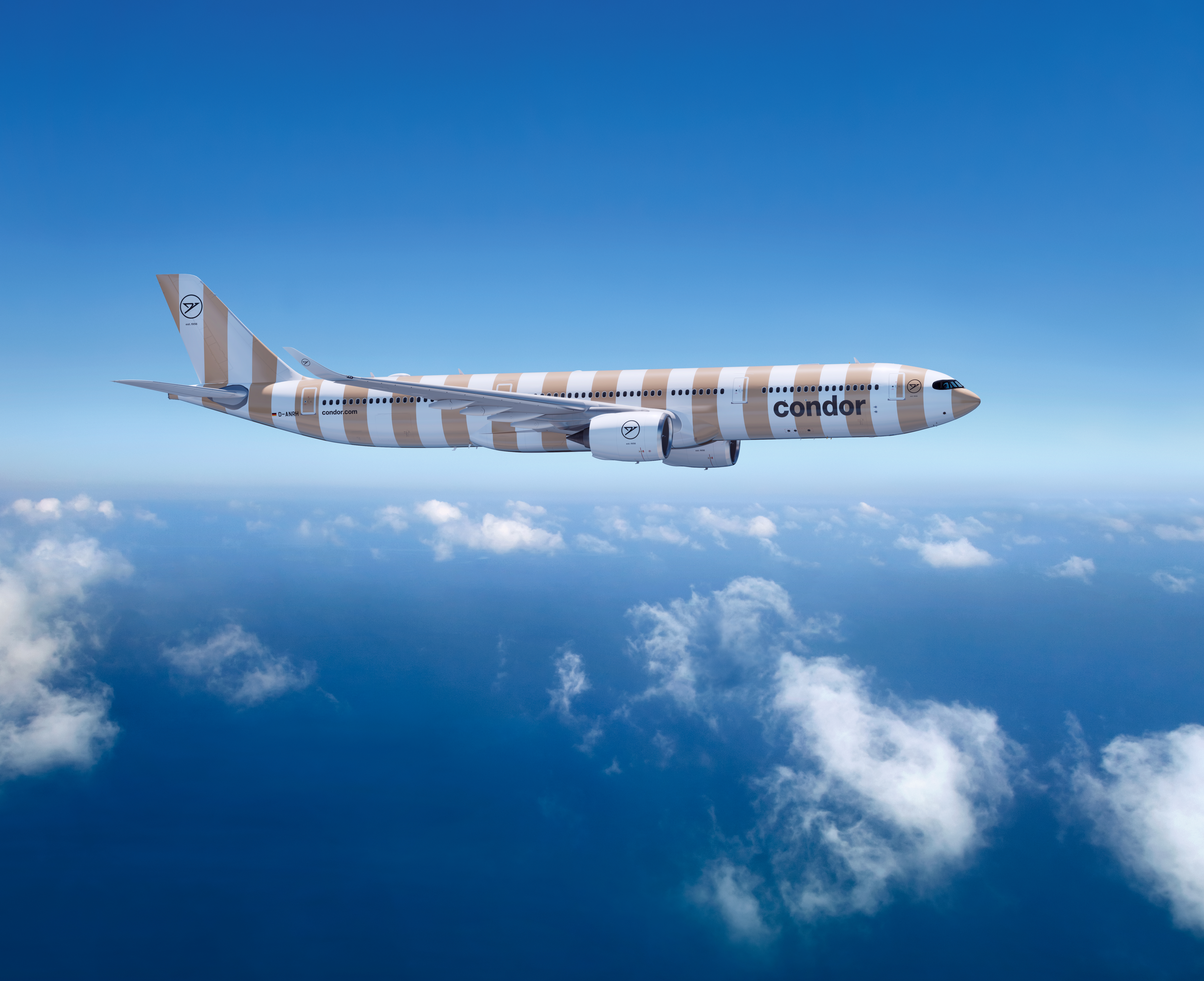
Icons of the Skies
They took millions of people on vacation and, for many, became part of the journey themselves. Discover the most legendary aircraft from 70 years of Condor.
They took millions of people on vacation and, for many, became part of the journey themselves. Discover the most legendary aircraft from 70 years of Condor.
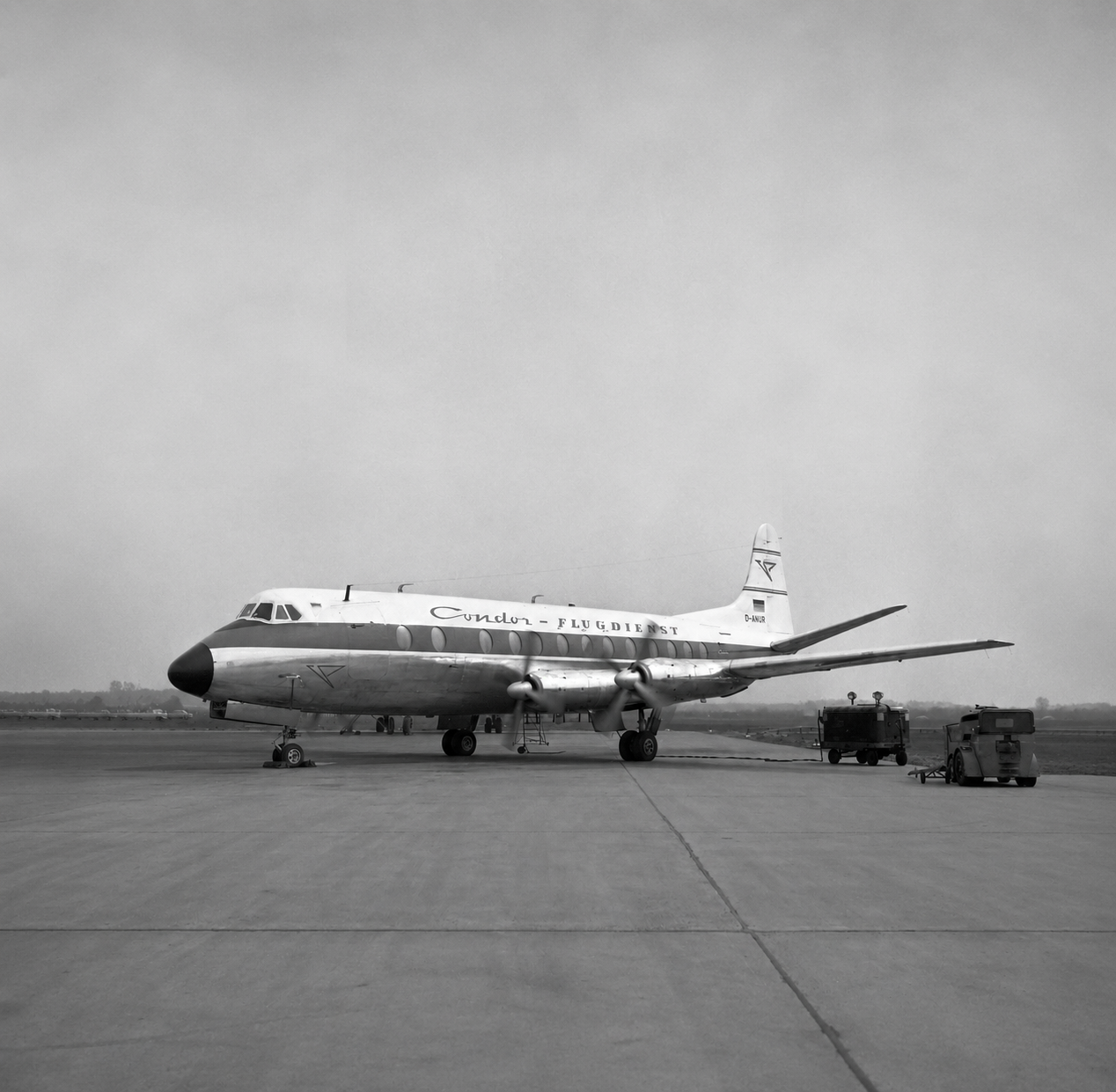
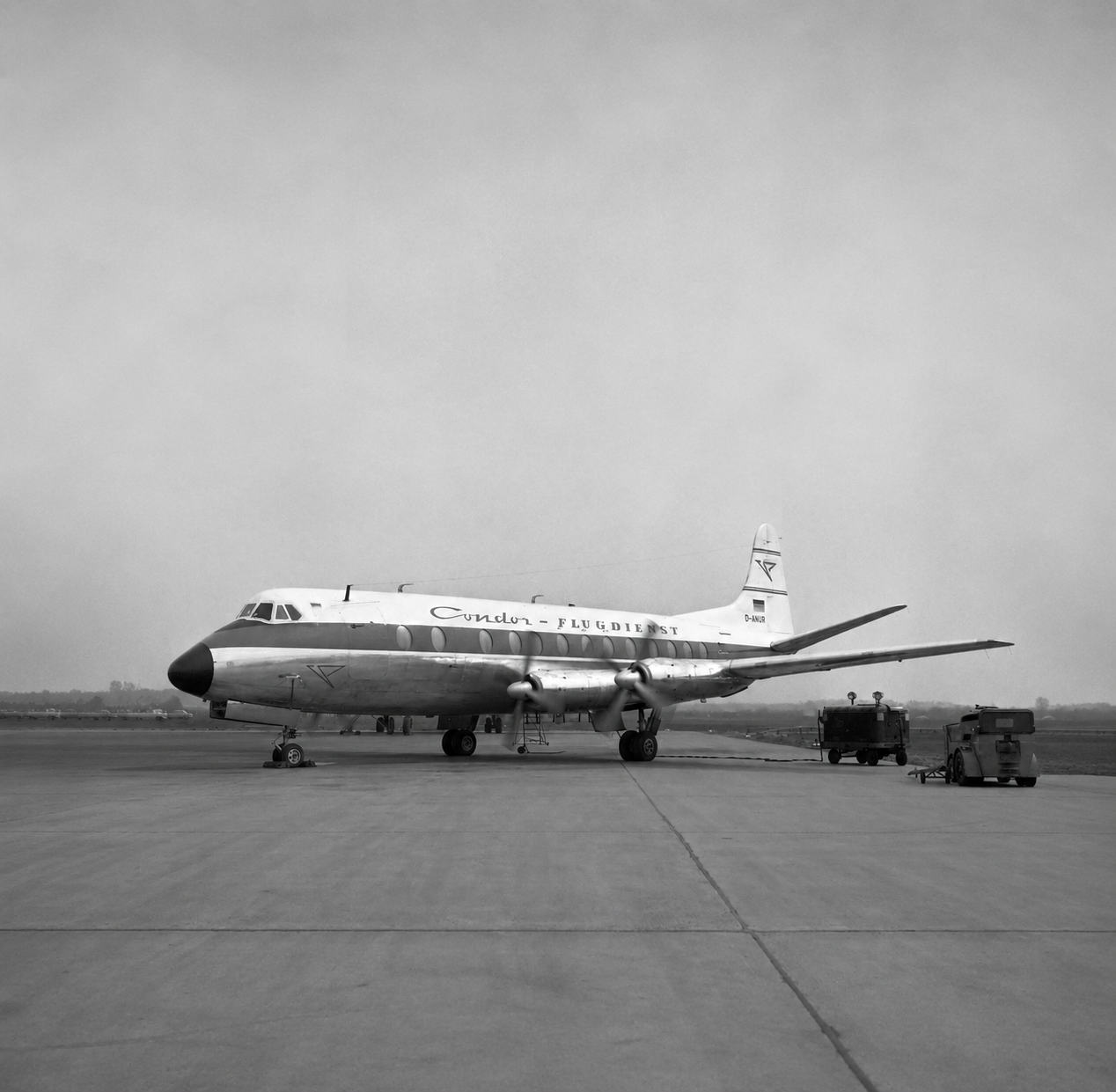
The history of Deutsche Flugdienst – which later became Condor – began in 1956 with the Vickers Viking. In the early years, Condor initially relied on the Vickers Viking, a twin-engine propeller aircraft from Great Britain. The aircraft had around 36 seats and were robust enough for the charter routes of the time. The first aircraft were purchased in England at the beginning of 1956 – for around 25,000 British pounds per aircraft (around 310,000 German marks).
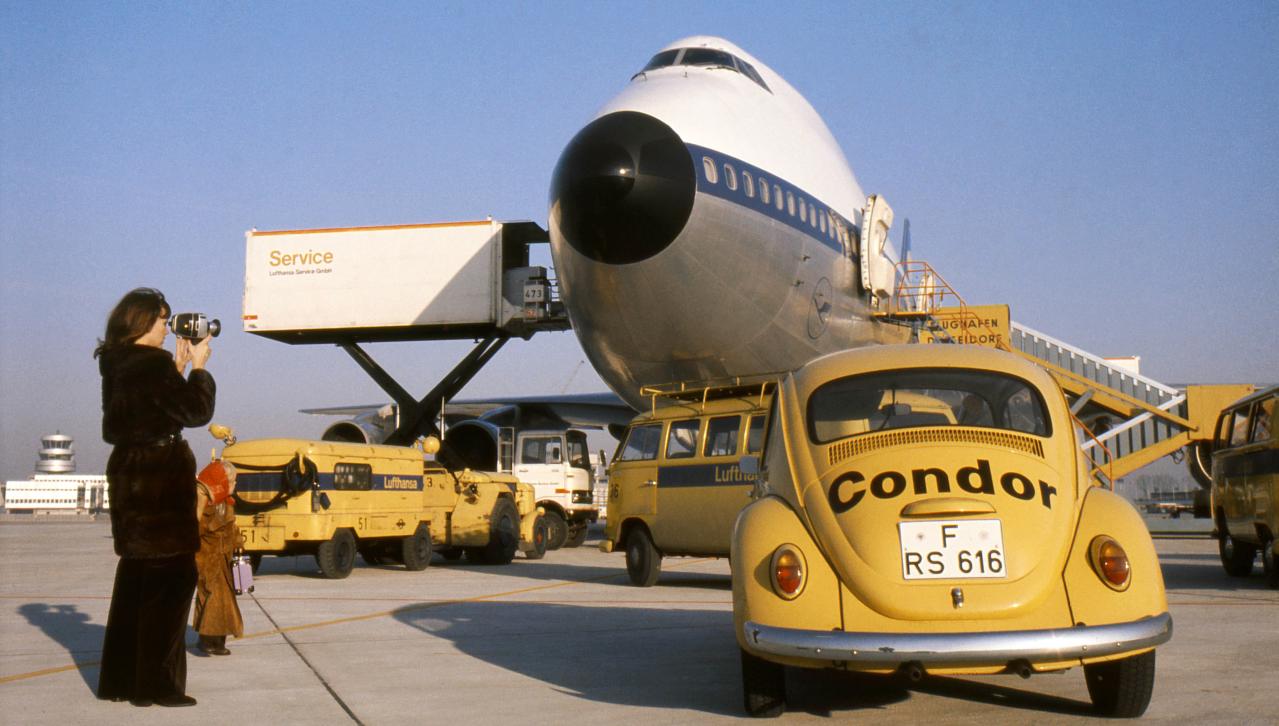
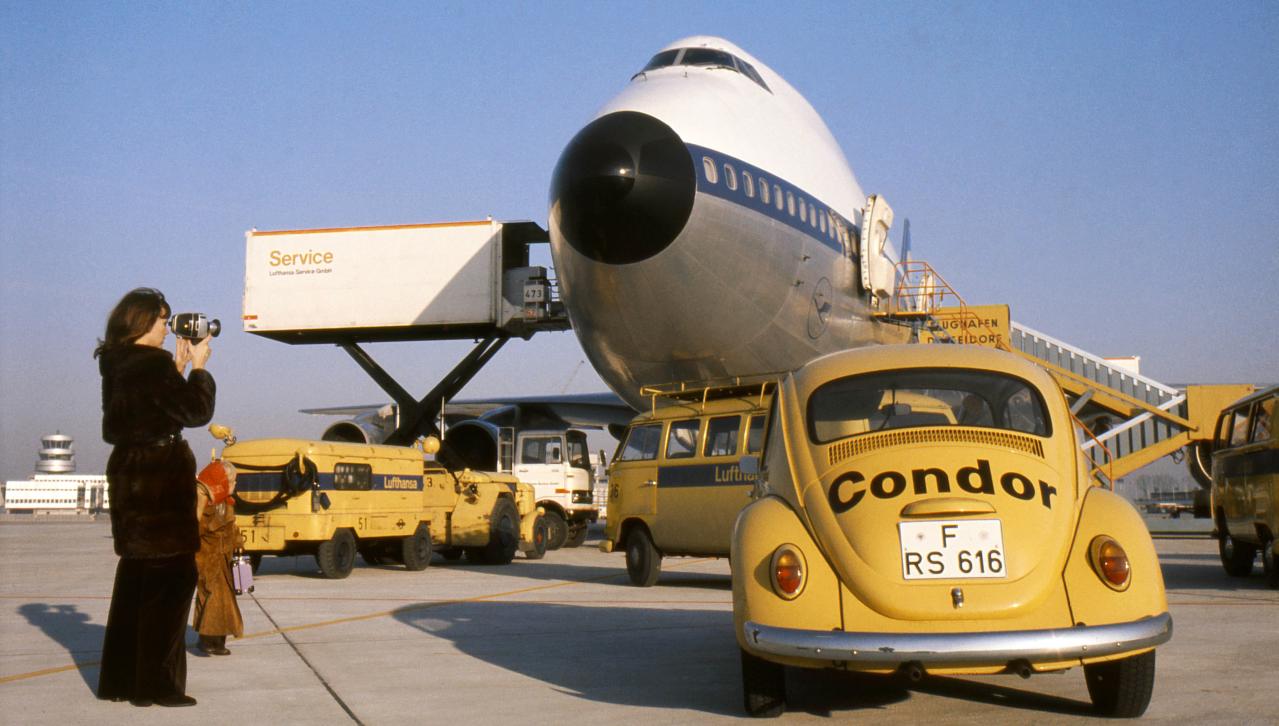
In 1971, Condor made aviation history with the Boeing 747: As the first charter airline worldwide, the airline used a Jumbo Jet in vacation air traffic. Condor owned two of these legendary aircraft and affectionately called them "Fritz" and "Max", which became symbols of booming package tourism.
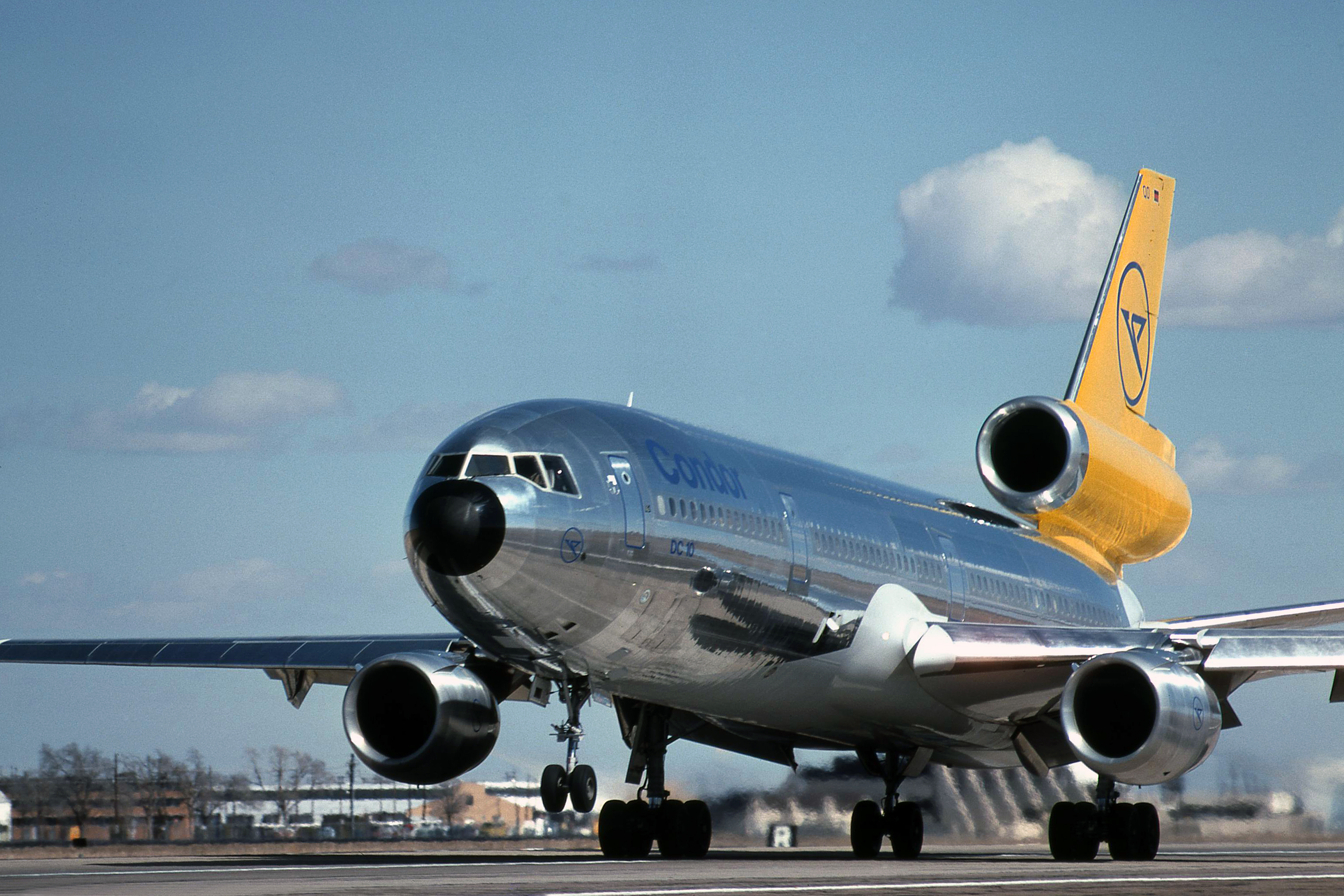
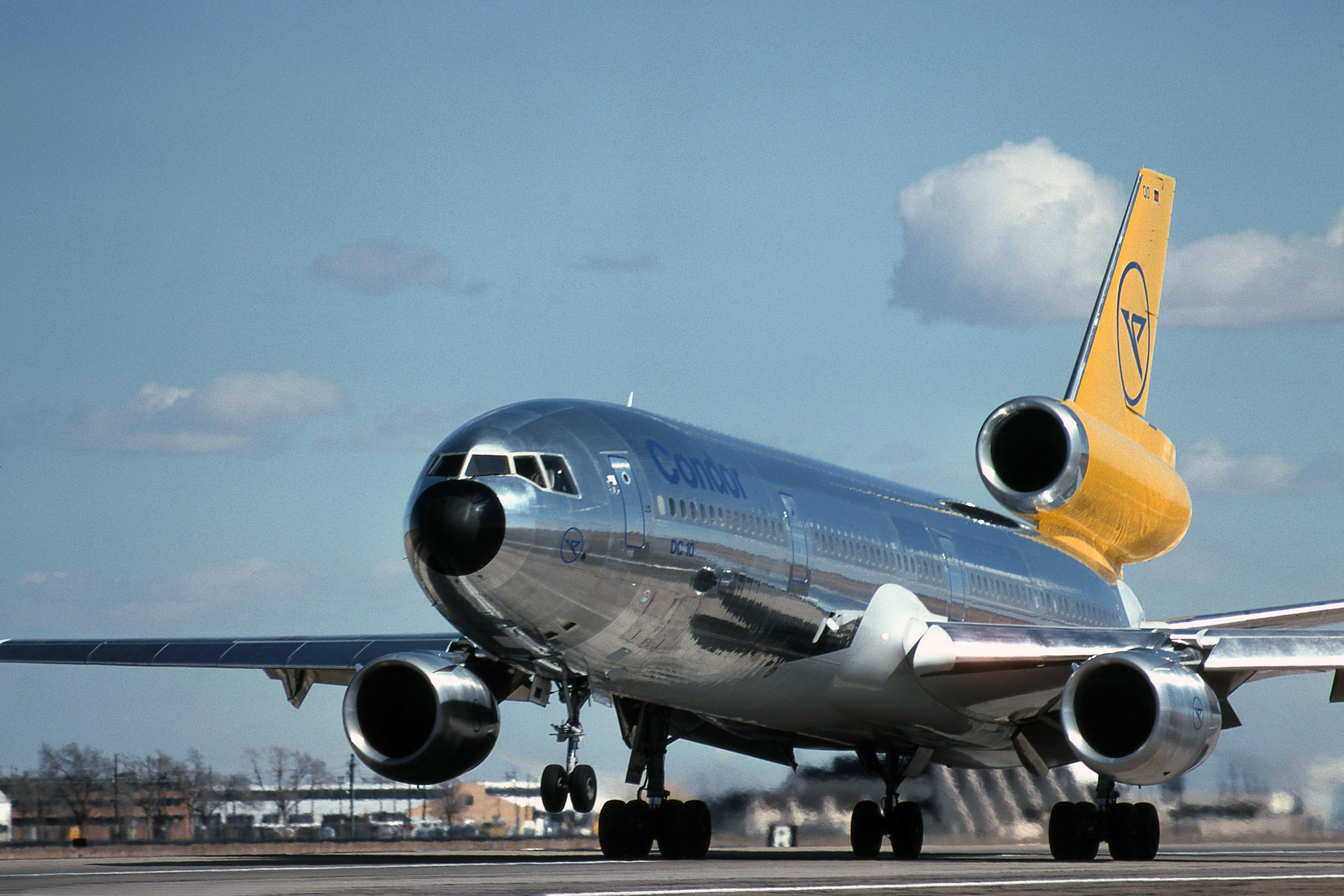
The McDonnell Douglas DC-10 became the backbone of the Condor long-haul fleet in the 1980s. With it, the airline brought vacationers comfortably to long-distance destinations in the Caribbean, Africa and North America.
Whether colorful works of art, nostalgic retro designs or emotional homages to influential personalities: Over the decades, numerous Condor airplanes have become flying ambassadors of their time.
The following special liveries show some of the most famous and unusual designs in airline history — from legendary retro jets to modern brand collaborations. However, this collection is not complete. In addition to the special liveries, more than 17 different logos have adorned the Condor aircraft over the years.
Some airplanes are more than just machines — they tell stories. At Condor, “Willi” and “Hans” in particular have become real crowd-pleasers over the years.
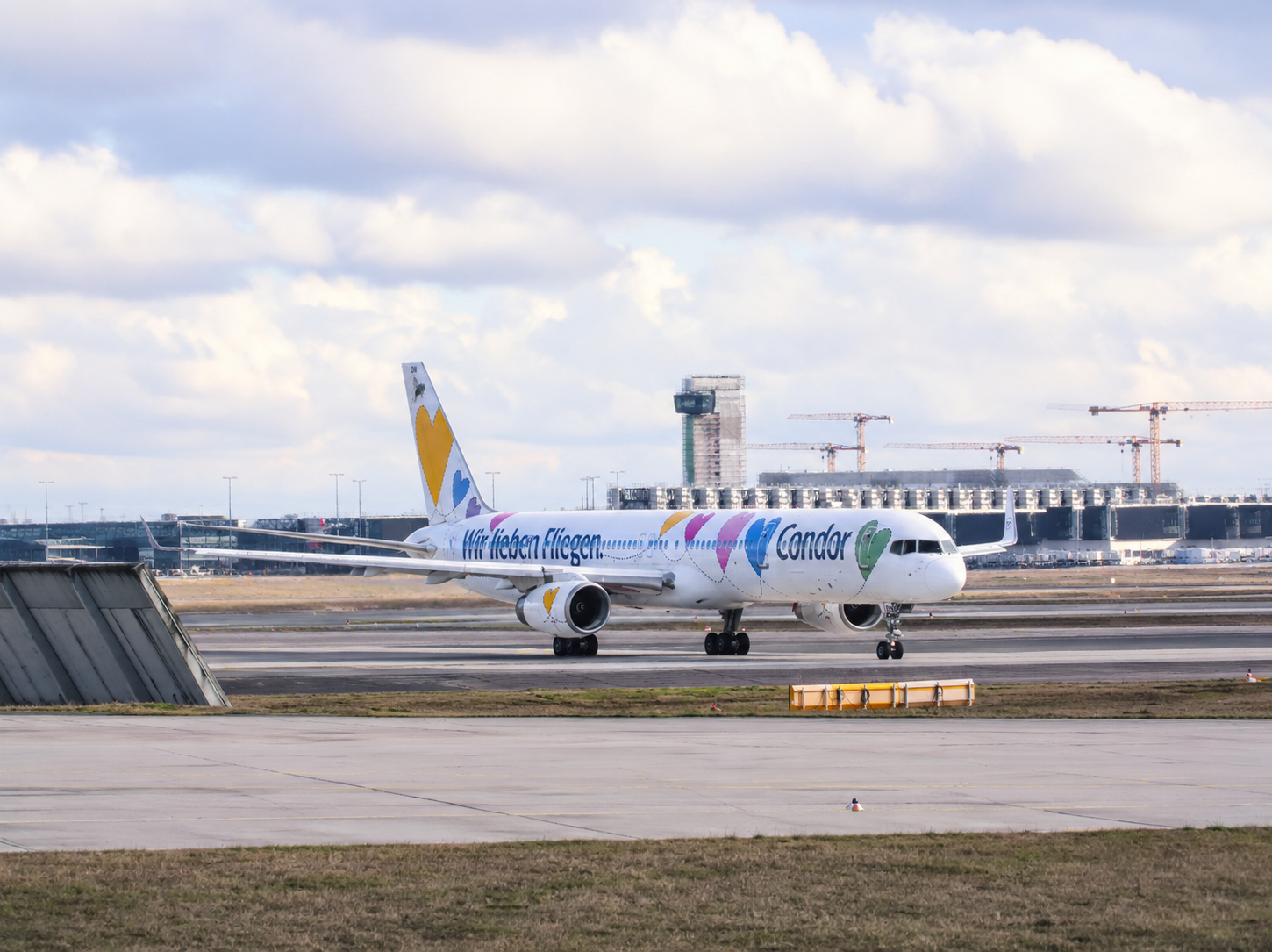
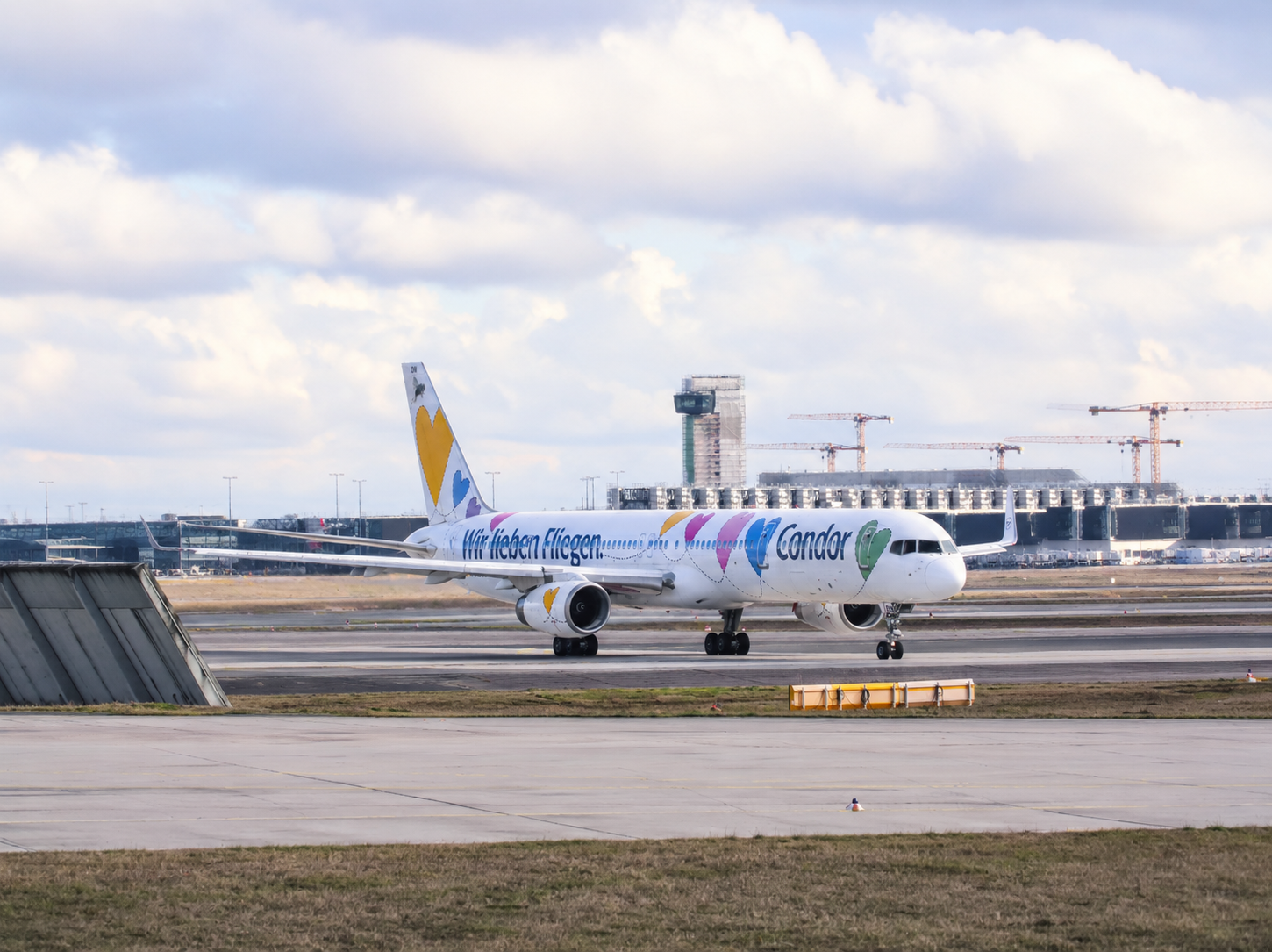
The Boeing 757-300 “Willi”, with its eye-catching heart-shaped livery, was a tribute to the popular sales director Wilfried Meyer and defined the airline’s image for many years.
If you looked closely, you would also see a little fly on the tail — the mascot of the former campaign "Wir lieben Fliegen" ("We love flying").
Even though the "Little Fly" retired in 2015, the slogan still fits almost 20 years later.
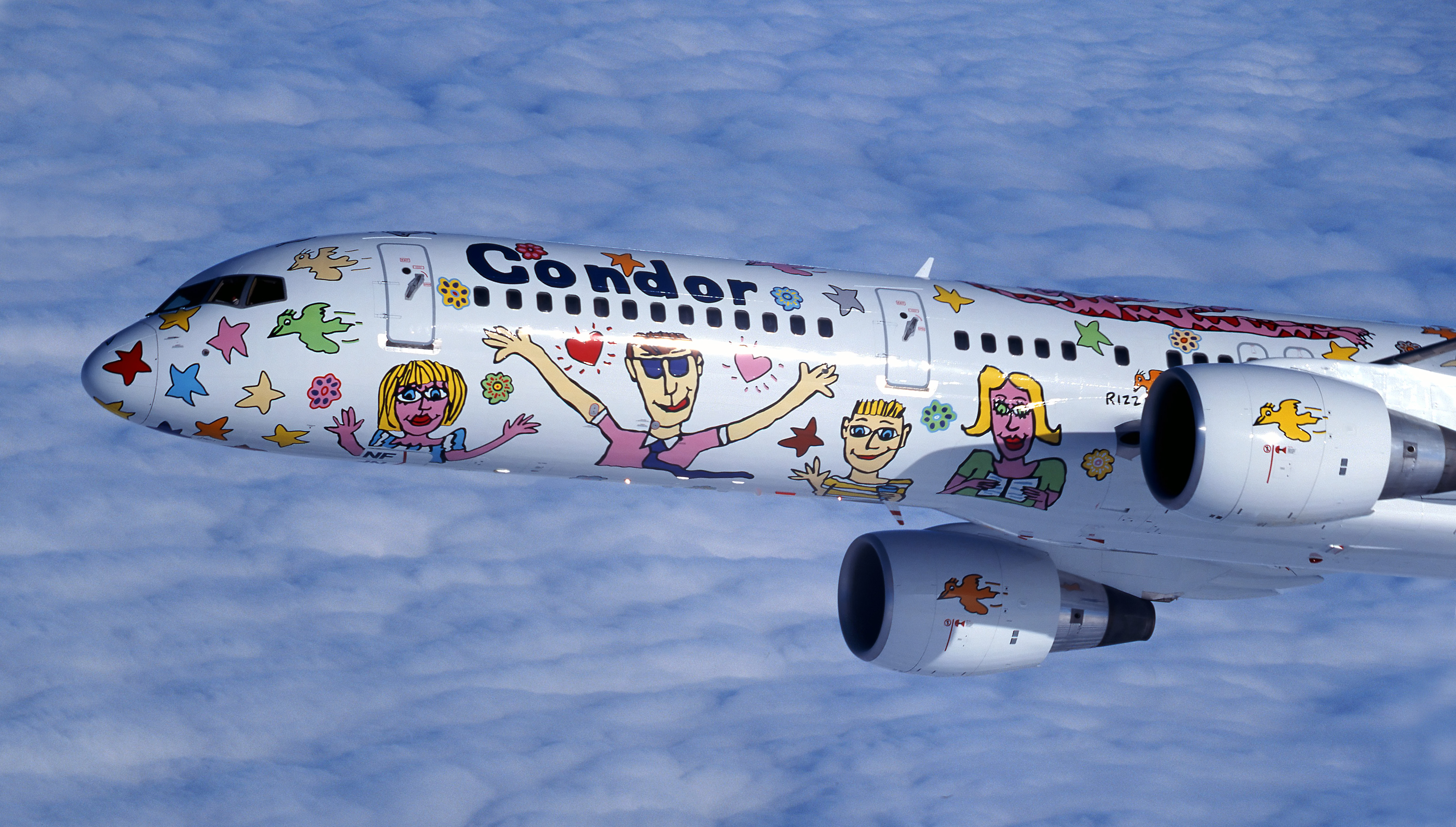
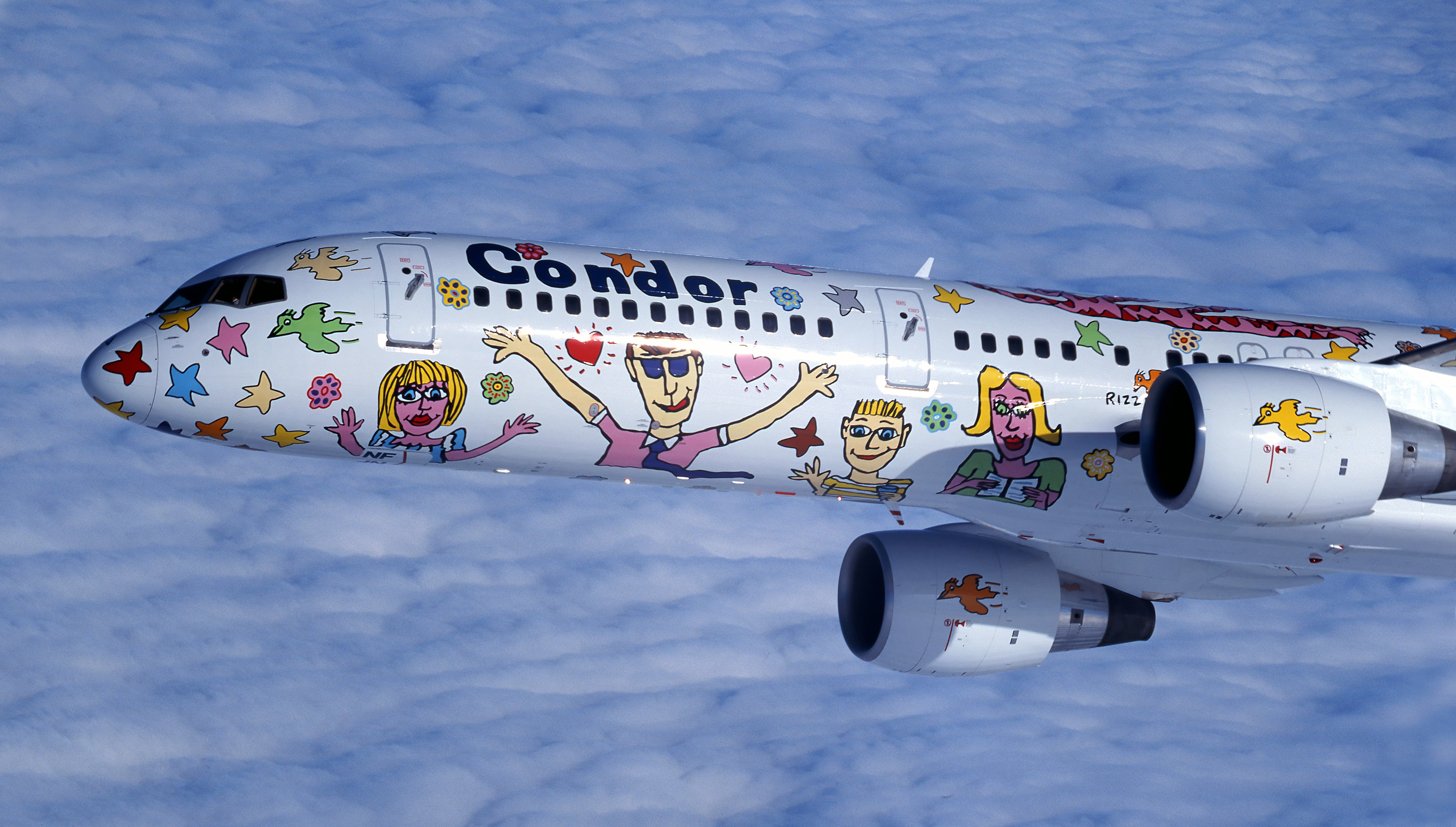
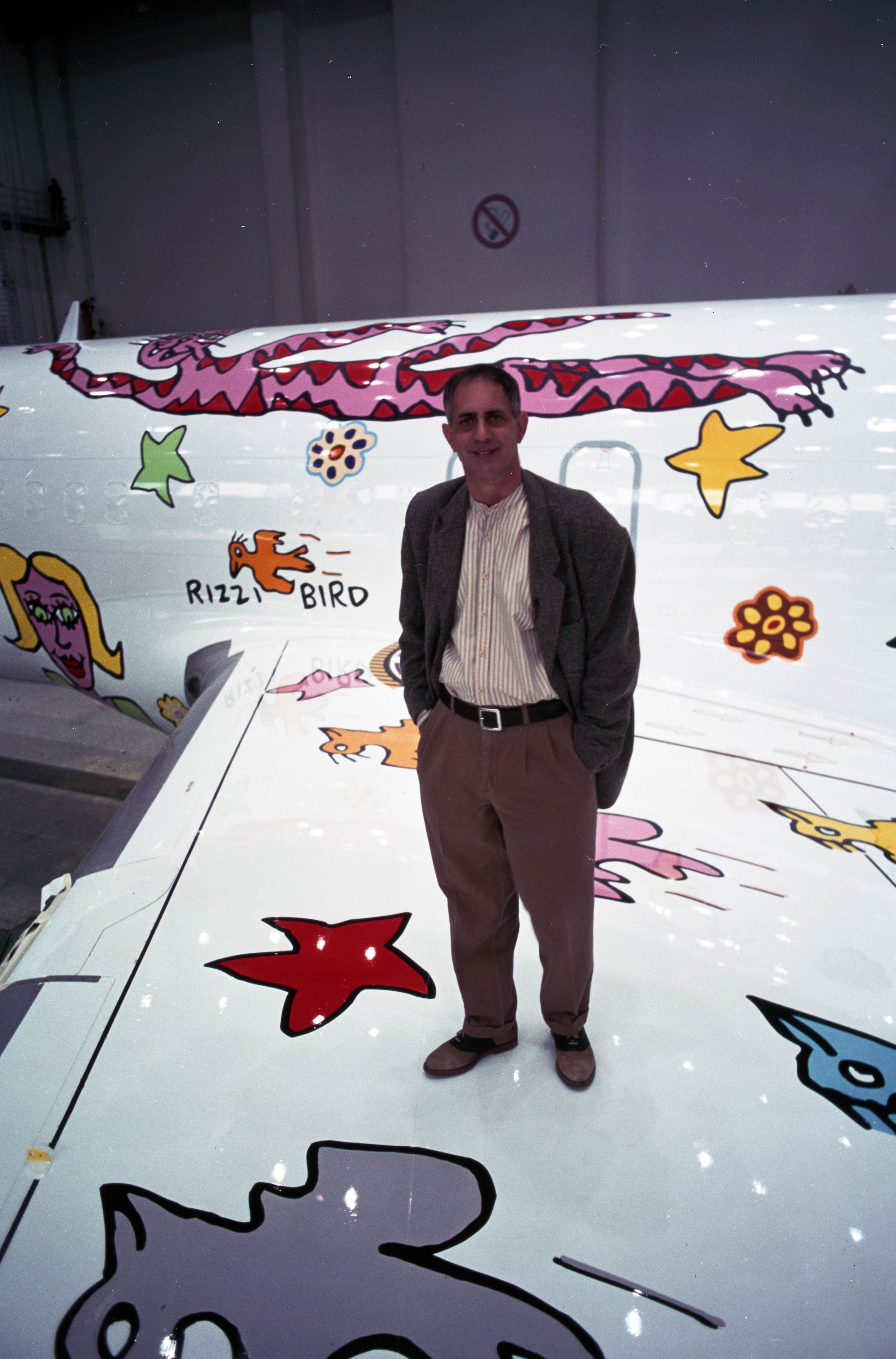
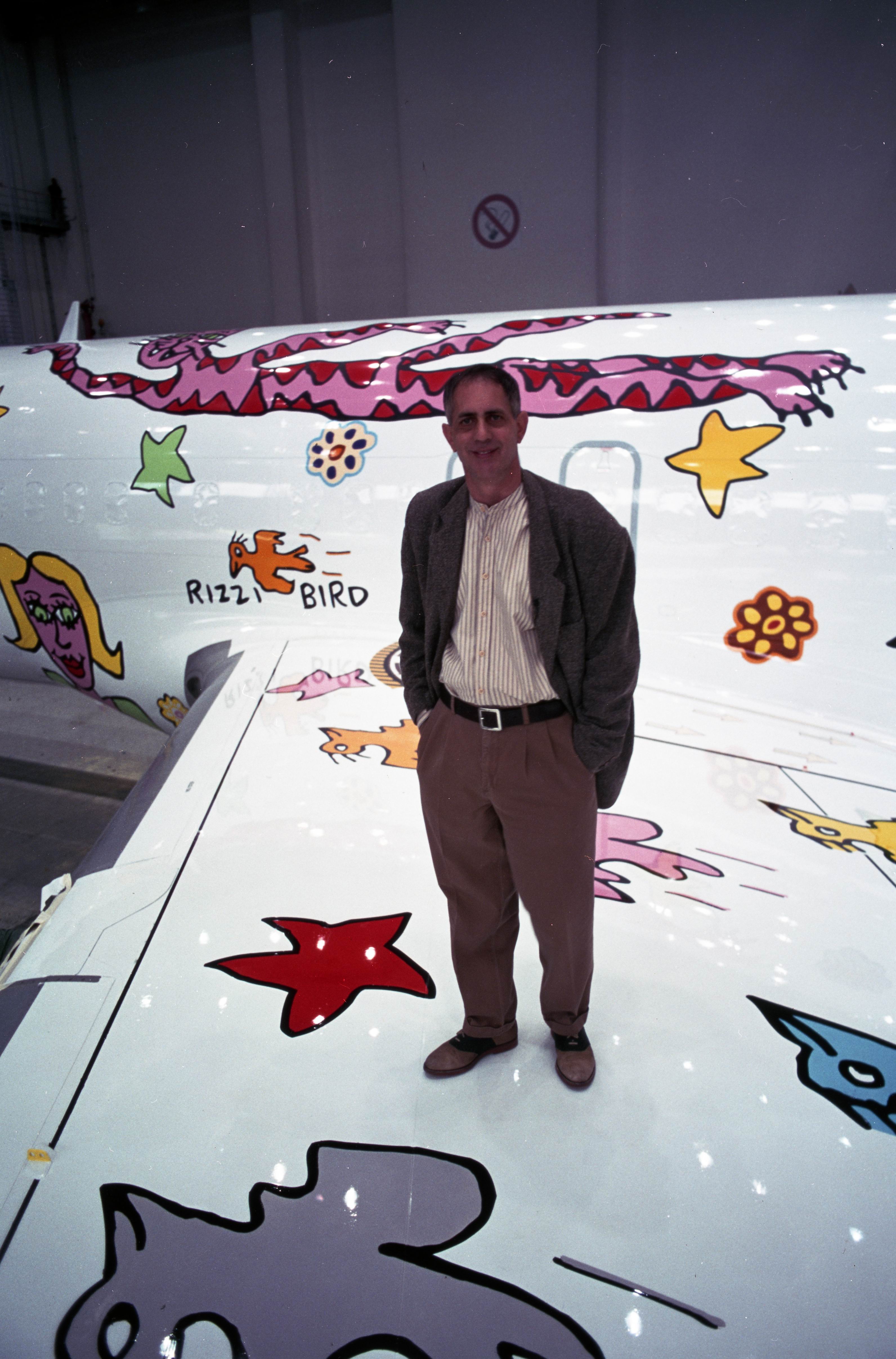
A special chapter in Condor's history began in 1996 to mark the airline's 40th anniversary: American pop art artist James Rizzi transformed a Boeing 757 into a colorful flying work of art.
With its unmistakable pop art style, the aircraft quickly became world-famous and was nicknamed "Rizzi-Bird". The unique special livery made the aircraft a symbol of joy of life, vacations and Condor's distinctive brand identity.
Today, eye-catching special liveries are naturally part of the brand image of many airlines. However, when the "Rizzi Bird" took off in the mid-1990s, Condor was far ahead of its time and was one of the first airlines in the world to consistently present an aircraft as an art and brand object.