Ten Facts About Condor
Condor has been shaping holiday culture above the clouds since 1956.
Condor has been shaping holiday culture above the clouds since 1956.
From the beginnings of holiday flights to a modern international network airline: These ten stories show how Condor has shaped travel culture, aviation, and international connections over decades – and how this has created new travel experiences, holiday memories, and connections to the world for millions of people.
When air travel was still something special, Condor brought more and more people on holiday to the sea for the first time. In the 1960s and 70s, air travel became increasingly affordable for broad sections of the population. For many families, the first flight of their lives began aboard the Condor – often towards the Mediterranean, sun and beach.
For many people, Condor thus became a symbol of a new holiday culture: wanderlust that suddenly became achievable. For decades, the airline shaped German and European travel culture like hardly any other holiday airline.
Perhaps the perfect surprise for the next flight together, your sister's honeymoon or simply someone who deserves a smile along the way --> find out more here
From the first holiday flights of the 1950s to today's modern international airline, Condor connects people, destinations and memories all over the world.
And the next stories are already waiting for you above the clouds.
The history of Condor officially began in March 1956, when Deutsche Flugdienst GmbH began operations.
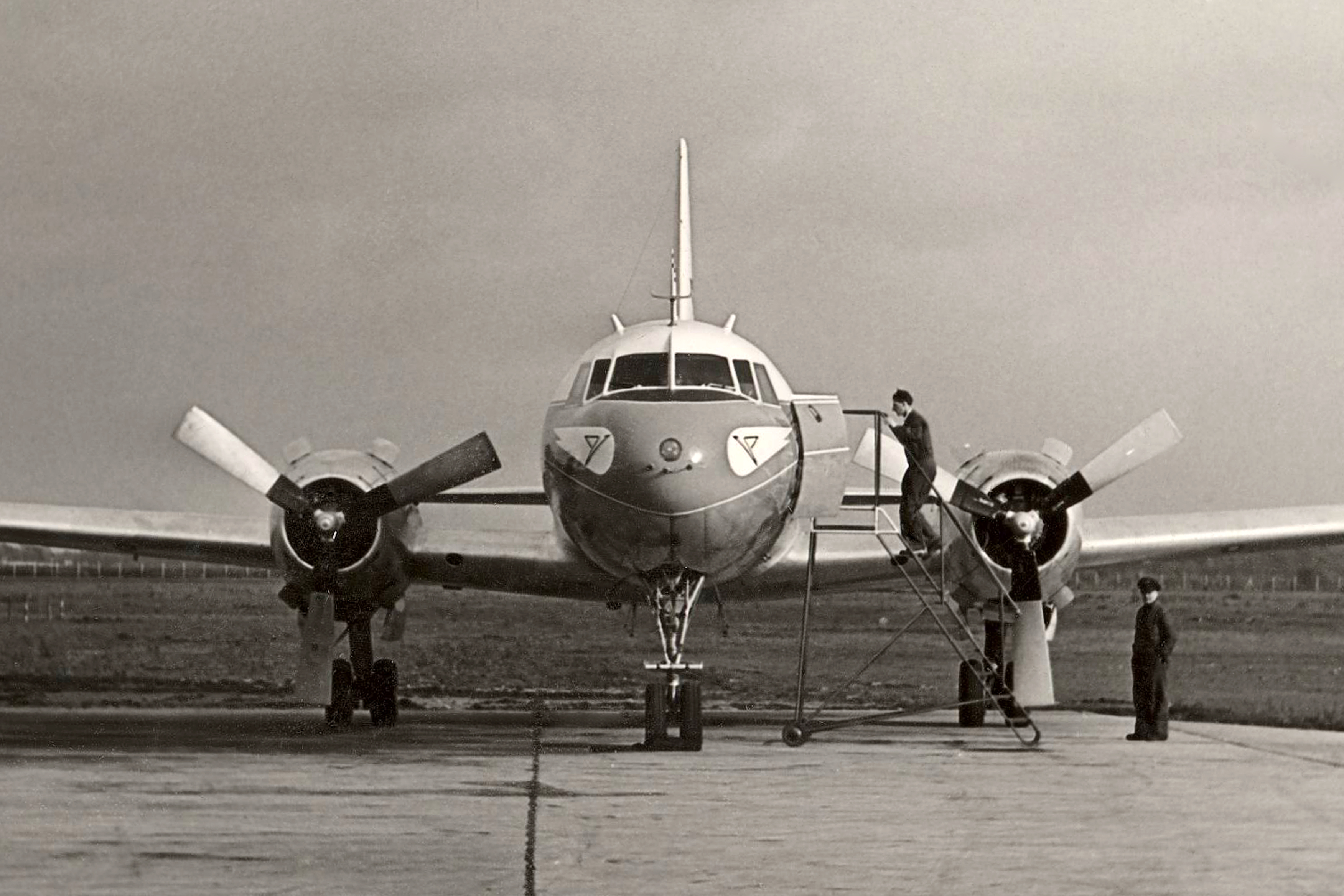
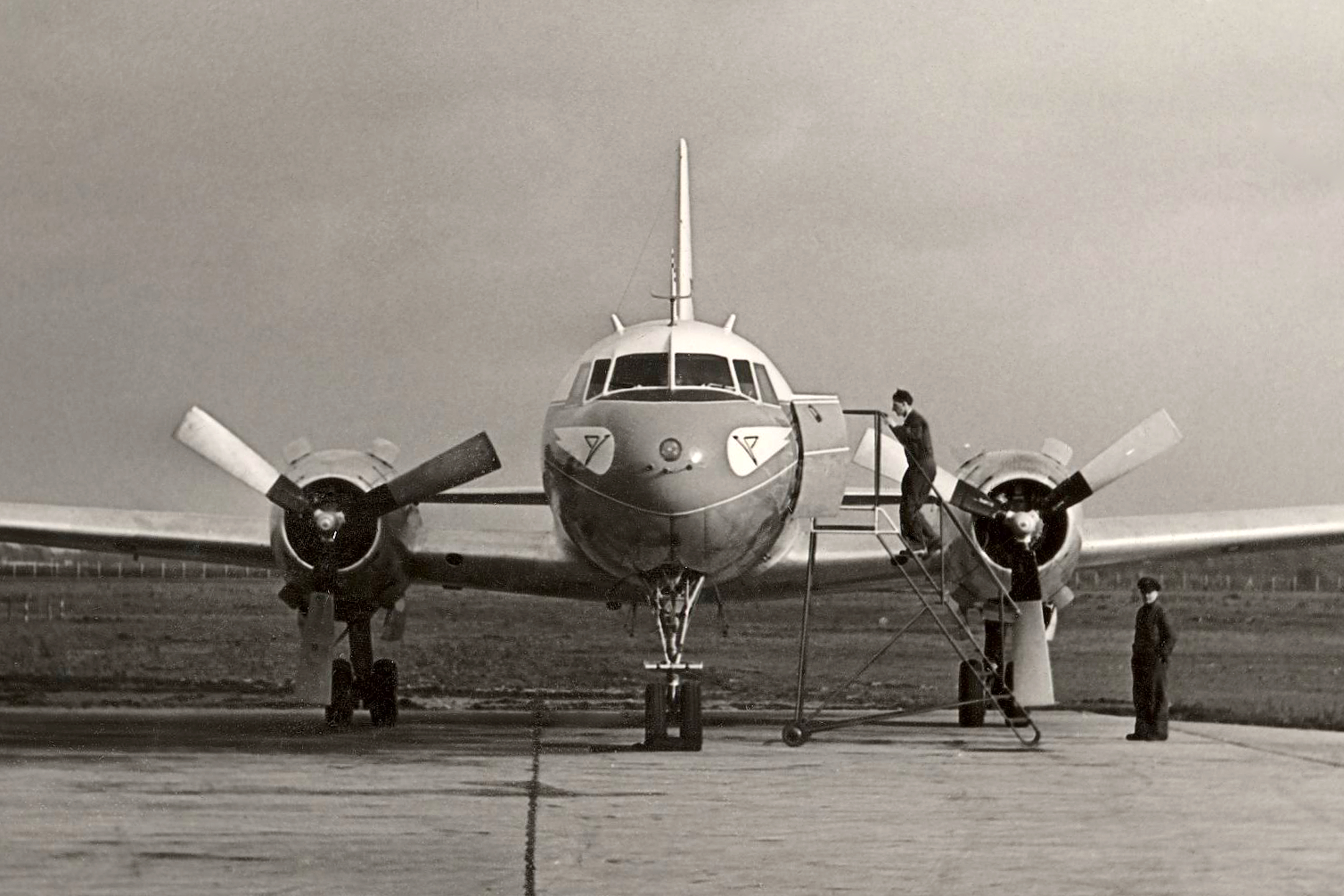
It all began on 29 March 1956 with a special flight on a Vickers Viking, a twin-engine propeller aircraft from the UK that could carry around 36 passengers at the time. The aircraft set off on a round-trip to the "Holy Land" and Egypt – at a time when international air travel was still a rare experience for many people.
The first route led from Frankfurt first to Beirut, then on to Damascus and the holy city of Jerusalem. Then the journey continued via Luxor and Cairo back to Germany.
At that time, this 14-day round trip, including all services, cost 465 US dollars, the equivalent of around 1,953 German marks. For the passengers, it was not just a journey, but a real experience – many of them were on an aeroplane for the first time ever. Thus, this flight is considered one of the first organised holiday flights in Germany and the beginning of a new vacation era.
In the first year of operation, there were two destinations on the timetable: Mallorca and the Canary Island of Tenerife, which are still among the airline's most popular holiday destinations today.
With the growth of holiday air traffic, international travel gradually became accessible to wider sections of the population – and Condor became part of a new European holiday culture.
It was not until 1961 that the name "Condor Flugdienst" was introduced – a brand name that deliberately reminds of the majestic Andean condor and was intended to symbolise international long-distance travel.
In 1971, Condor made aviation history: As the first holiday airline worldwide, the airline used a Boeing 747 for holiday travel – bringing one of the largest aircraft of its time to classic holiday destinations such as Mallorca.
With space for up to 494 holidaymakers, the Jumbo Jet made flights to Mallorca possible for significantly more people. Travelling, which was previously something special for many, was increasingly becoming part of normal holiday life.
While Boeing 747s usually flew mainly between international metropolises, Condor suddenly turned the jumbo into a holiday plane – thus becoming part of European holiday culture.
At the time, the decision was considered a courageous venture. Many experts doubted that a leisure airline could operate such a large aircraft economically. But Condor proved the opposite: The boom in package tourism ensured that the aircraft were quickly operating at excellent capacity.
The Jumbo Jet not only changed Condor's fleet, but also the way millions of people went on holiday.
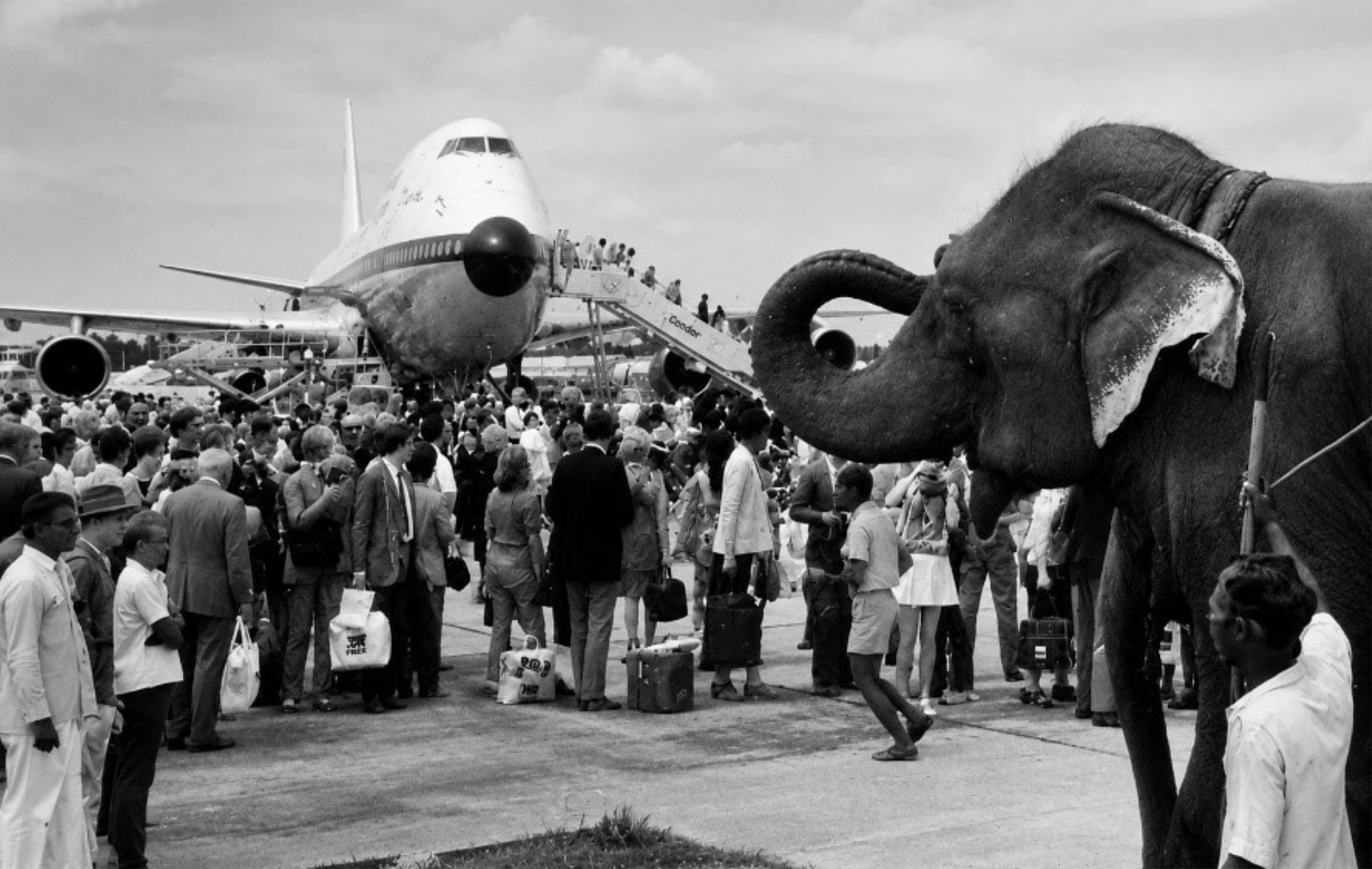
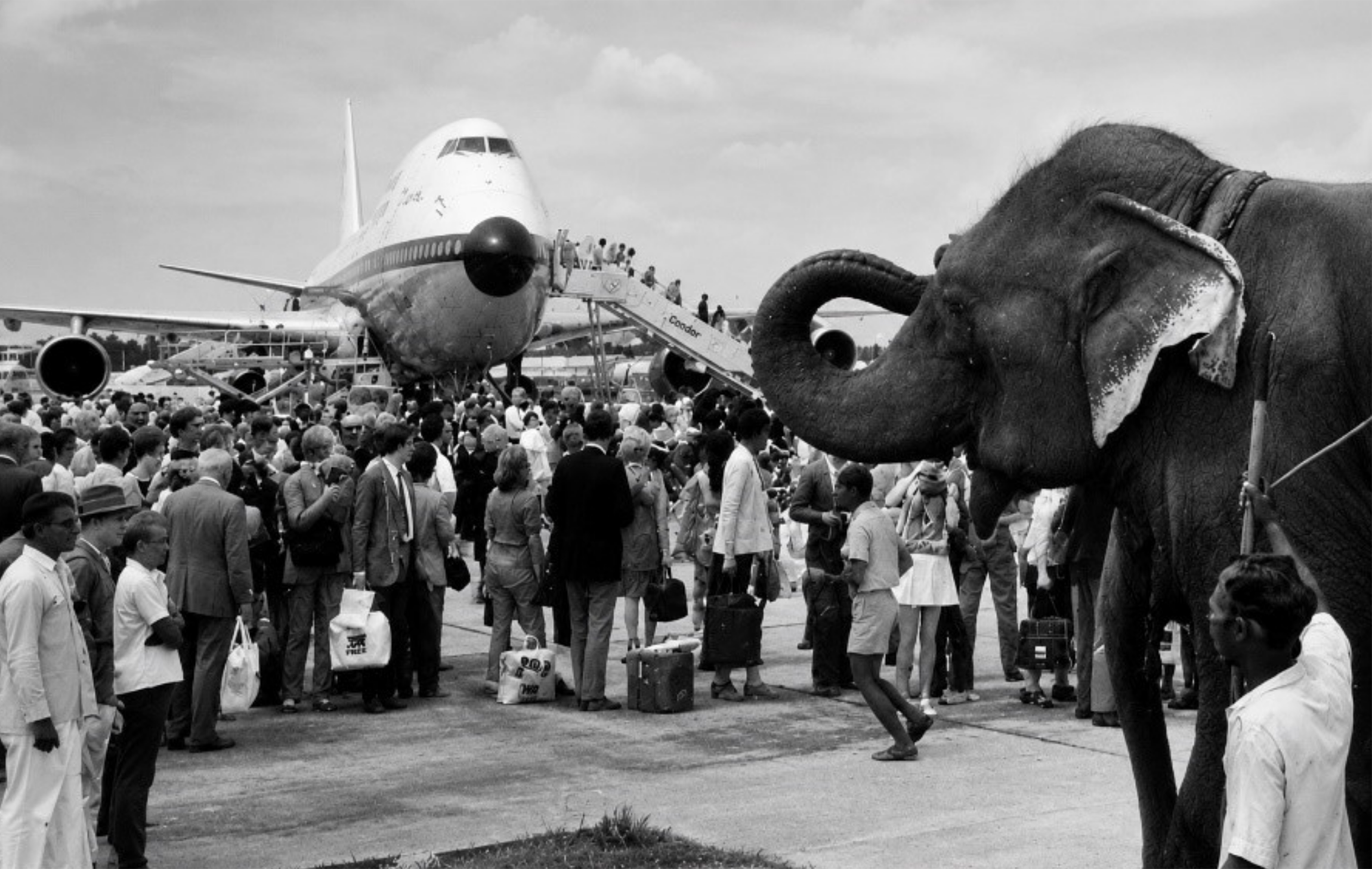
Under the motto "Jumbo meets Jumbo", one of the most extraordinary pictures in airline history was created: On the apron of Colombo airport, a real Indian elephant stood opposite the gigantic Boeing 747. But larger aeroplanes alone did not change travel. Soon, new aircraft types opened up entirely new long-distance travel destinations.
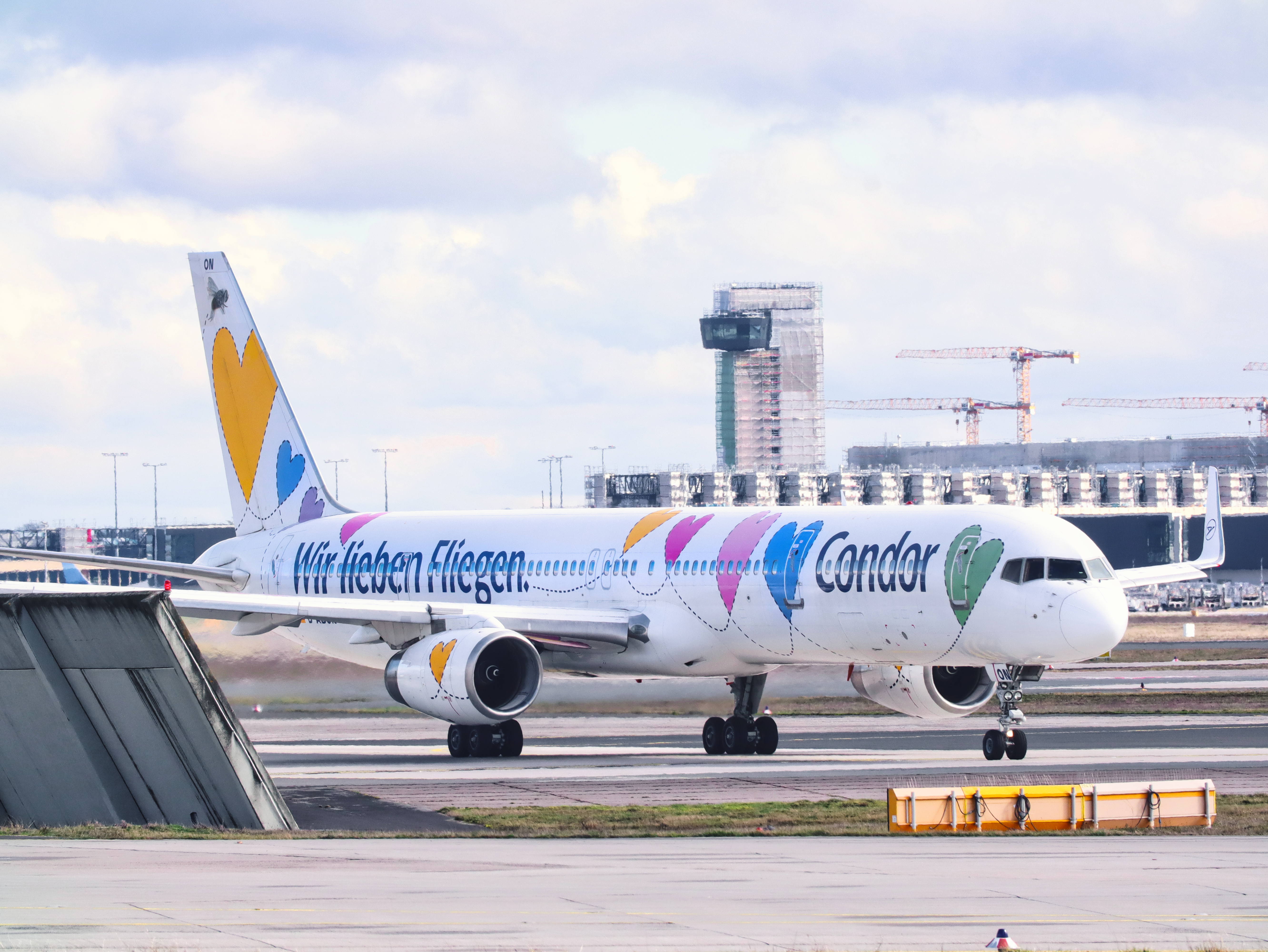
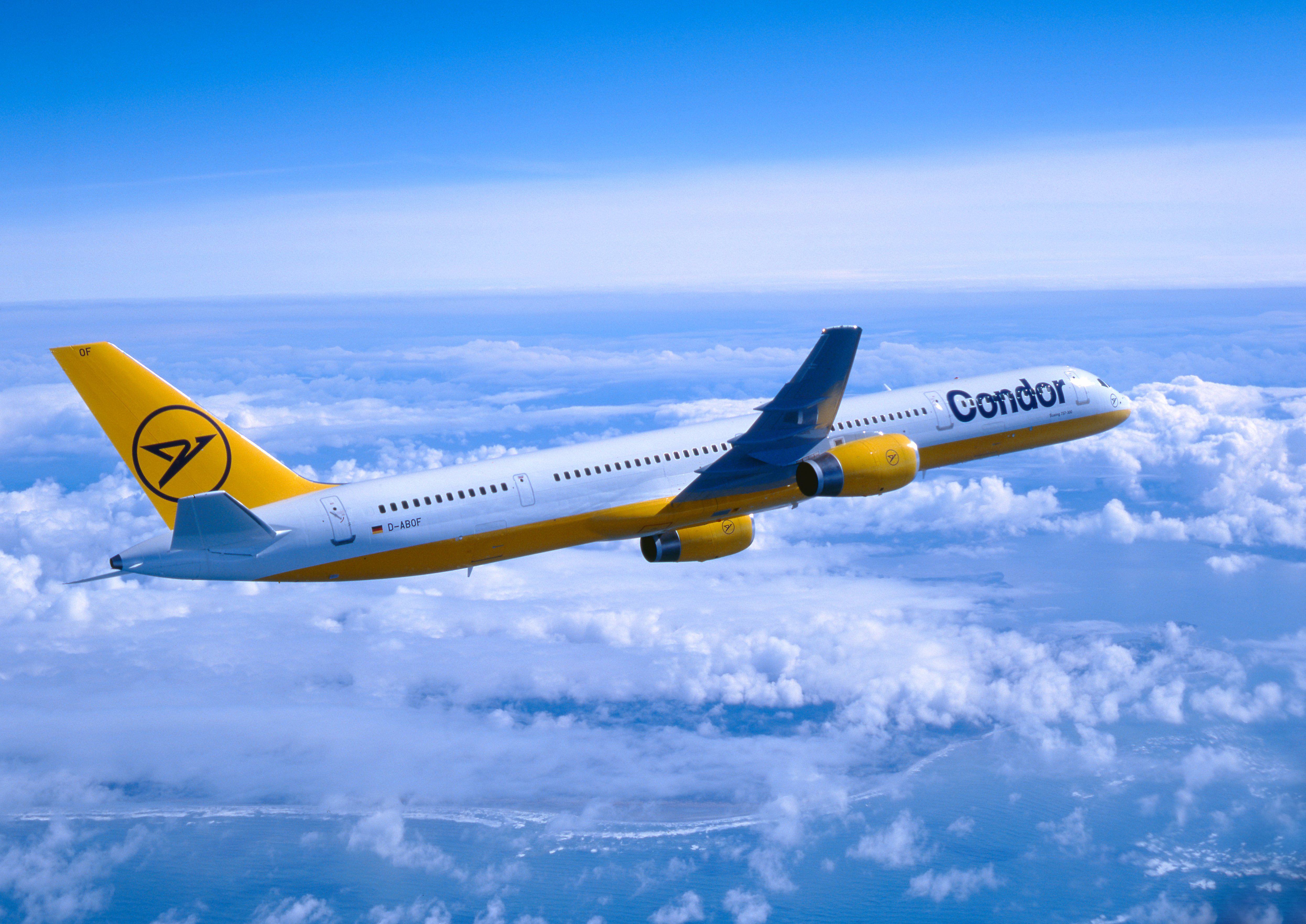
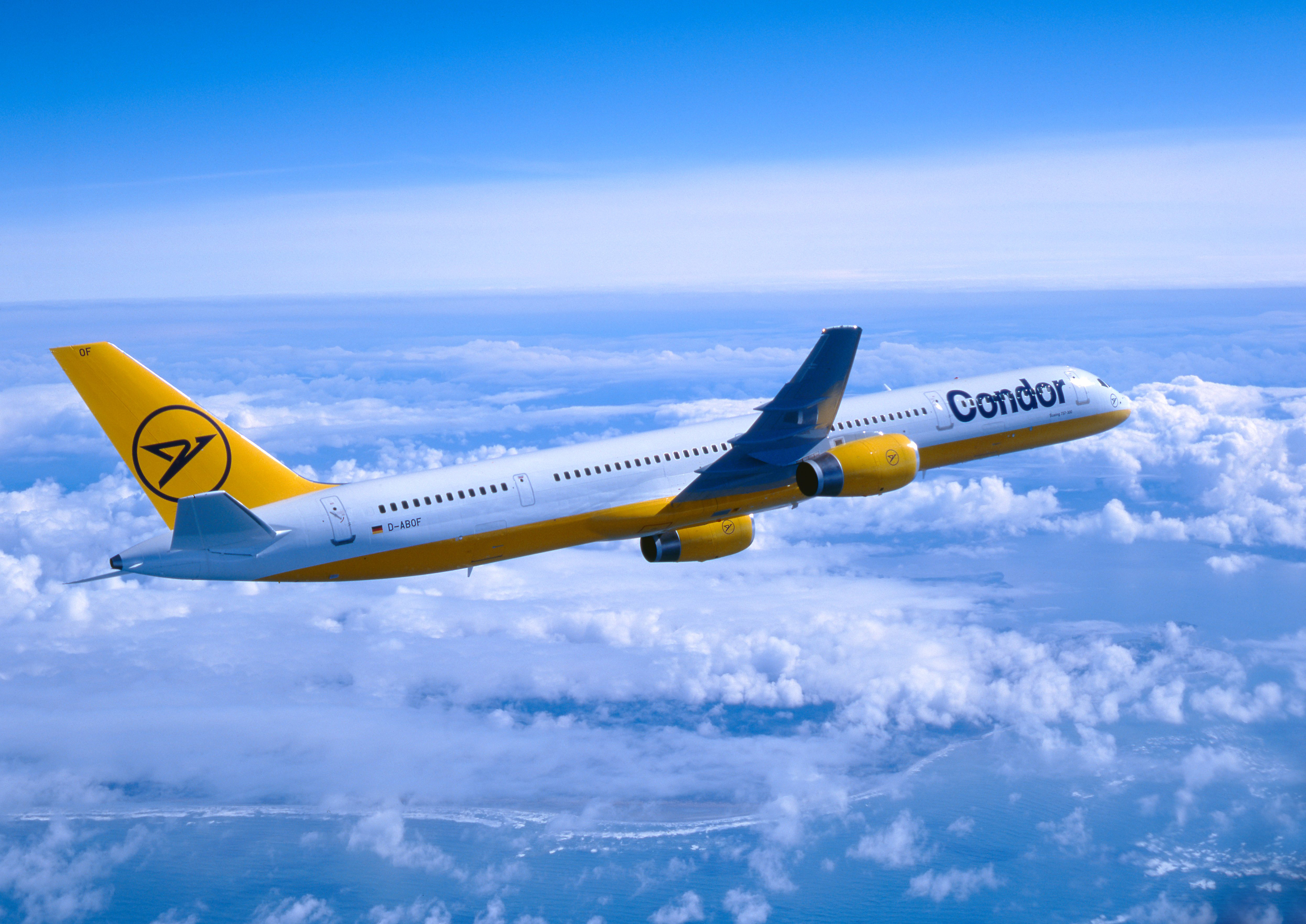
For many guests, the expansion of the fleet meant more connections, more choice and additional travel options. This made popular travel destinations accessible to even more tourists. This was made possible, among other things, by the Boeing 757-300. With a length of 54.4 metres, the Boeing 757-300 was about seven metres longer than the standard 757-200 version. Its exceptionally long and slim silhouette earned it the nickname “flying pencil” in the aviation world.
Only 55 units of this aircraft type were built worldwide. Thus, the Boeing 757-300 remains one of the rarest commercial aircraft in commercial use to this day.
Condor coined the legendary “flying pencil” like hardly any other airline: Around a quarter of all aircraft built worldwide flew at times in the Condor's colours. It is therefore hardly surprising that the departure of the last Boeing 757-300 was duly celebrated – with an emotional farewell flight from Frankfurt to Vienna and back.
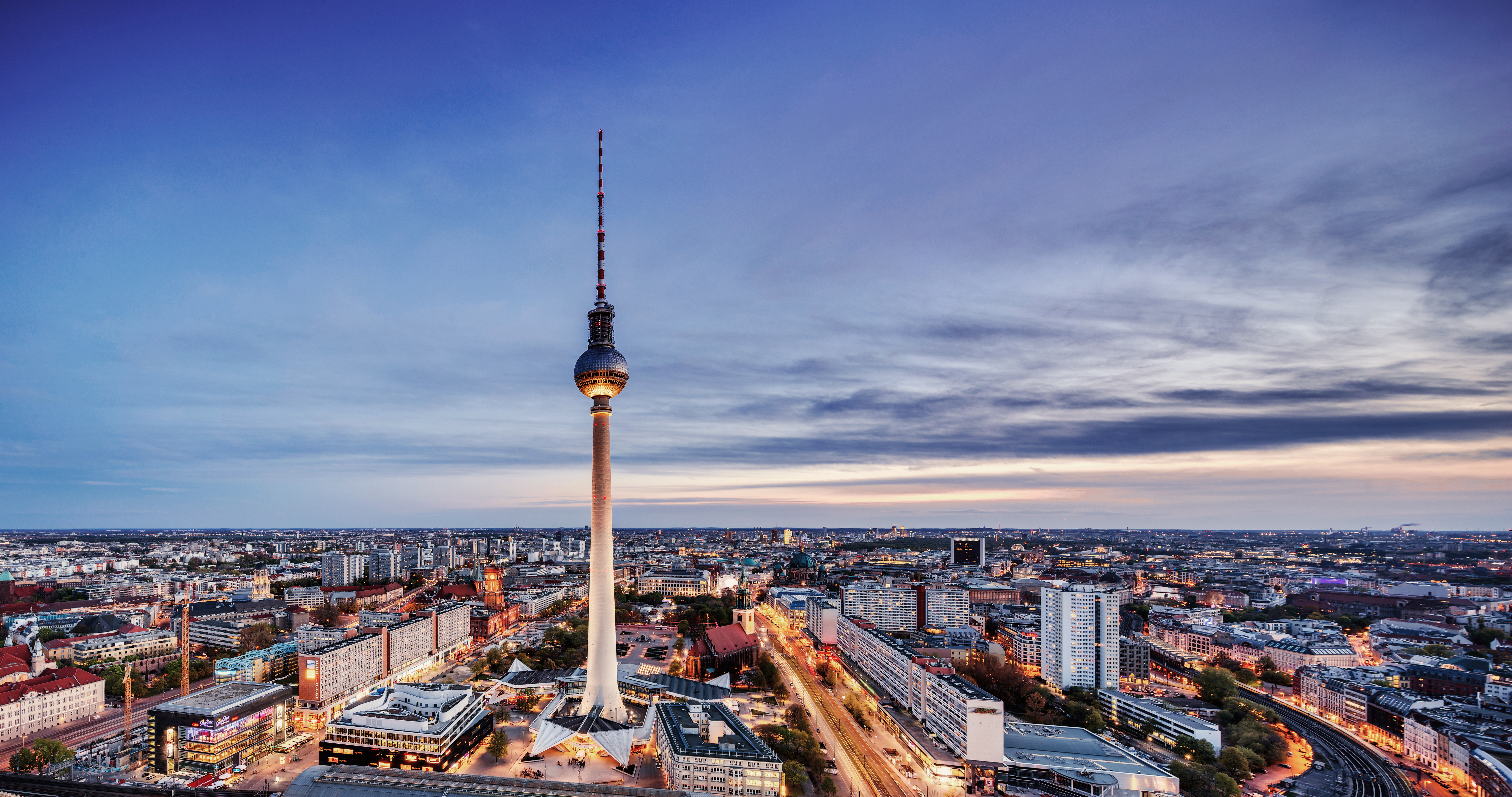
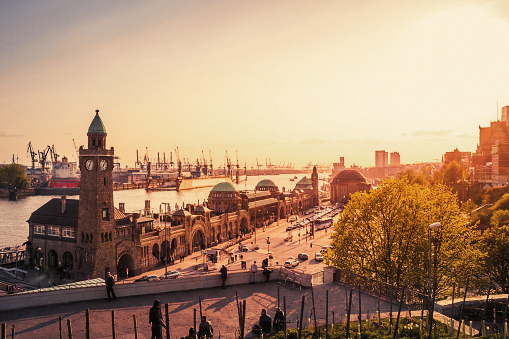
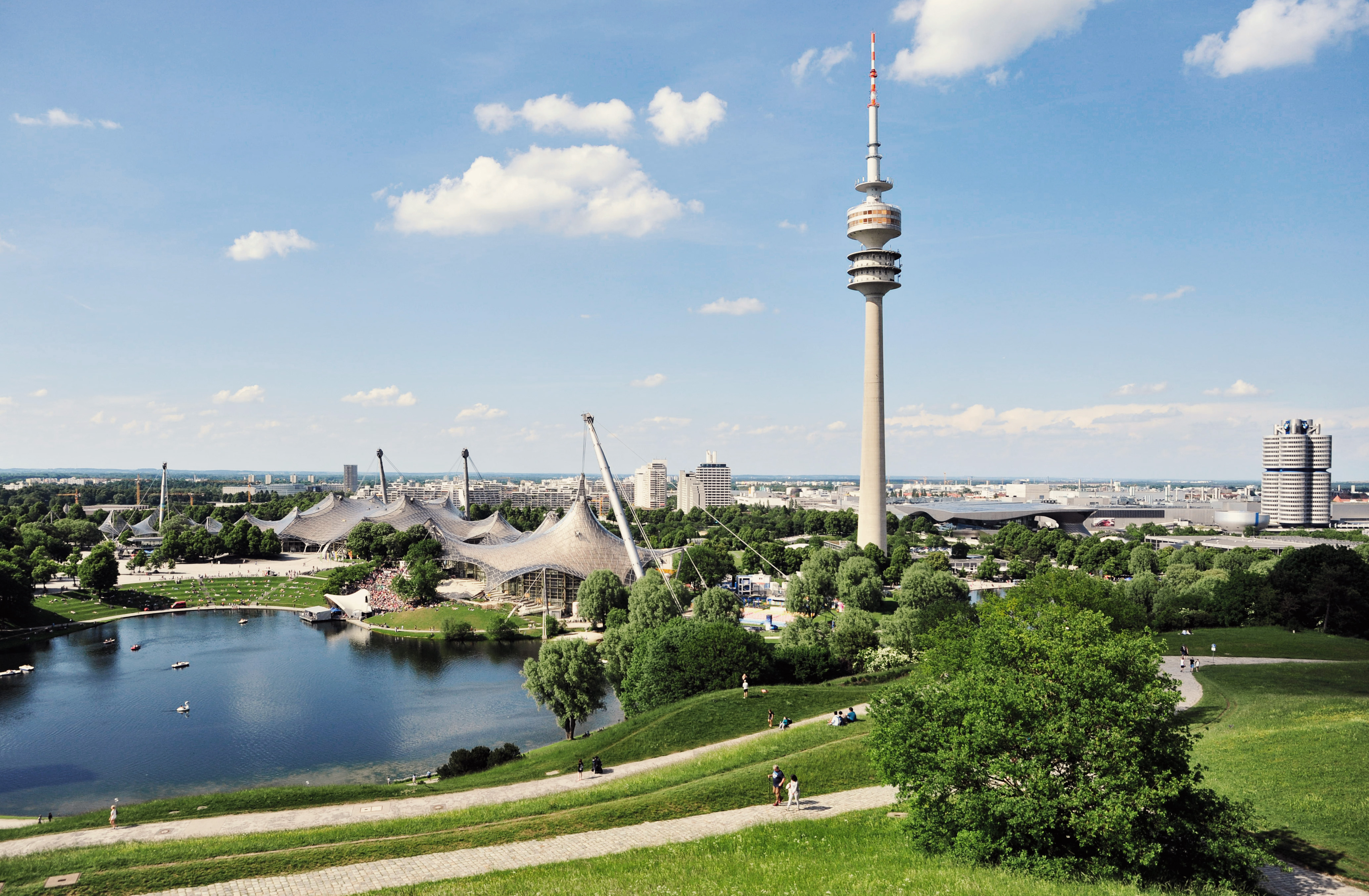
Hamburg, Berlin and Munich are among the most popular city destinations for German travellers – and it is precisely these metropolises that Condor today connects with international long-haul and European city routes via Frankfurt.
Whether you're going on a weekend trip, a business trip, or connecting to a long-haul flight, you have more options today than ever before. Hamburg, Berlin and Munich are among the most popular city destinations for German travellers – and it is precisely these metropolises that Condor today connects with international long-haul and European city routes via Frankfurt.
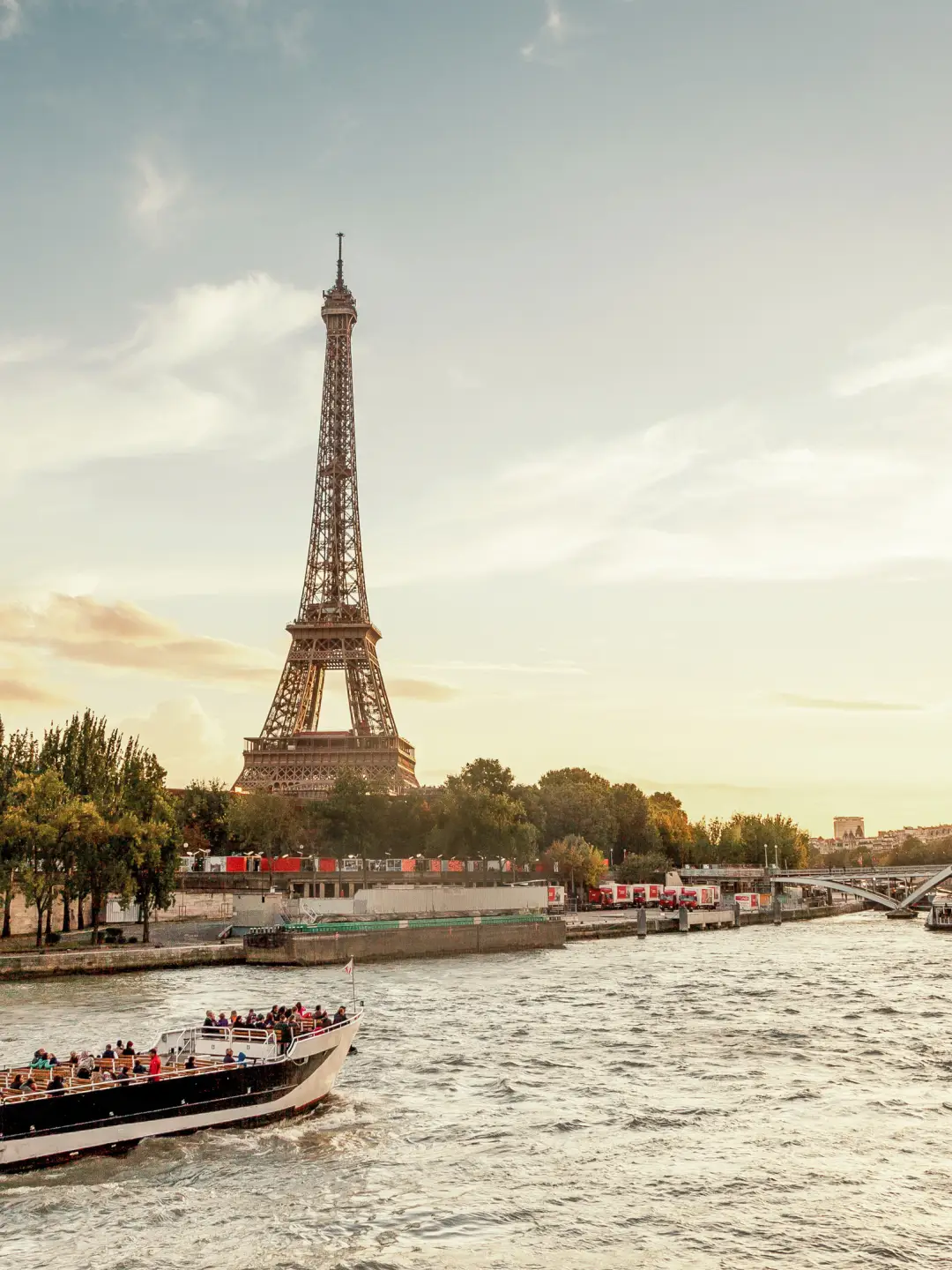
Whether you are spontaneously heading to the fish market in Hamburg, a business meeting in Berlin, shopping on the Champs-Élysées, or for a piece of Sachertorte in Vienna: For many travellers today, your journey starts above the clouds rather than in traffic jams or on the train platform.
For travellers, this will create more flexible travel options and easier connections between European cities and international long-haul destinations. This creates flexible connections between European cities and international long-haul destinations around the world.
For many guests, this means a relaxed trip to Hamburg or Rome in the morning, to Berlin at noon, and continuing on to the long-haul flights in the evening – often faster and more direct than spending hours on the motorway or on a train. With a strong brand and a modern fleet, Condor now connects European cities with international travel destinations.
"For my hottest wife … let’s have a good time"
Some onboard services serve drinks, others serve surprise moments.
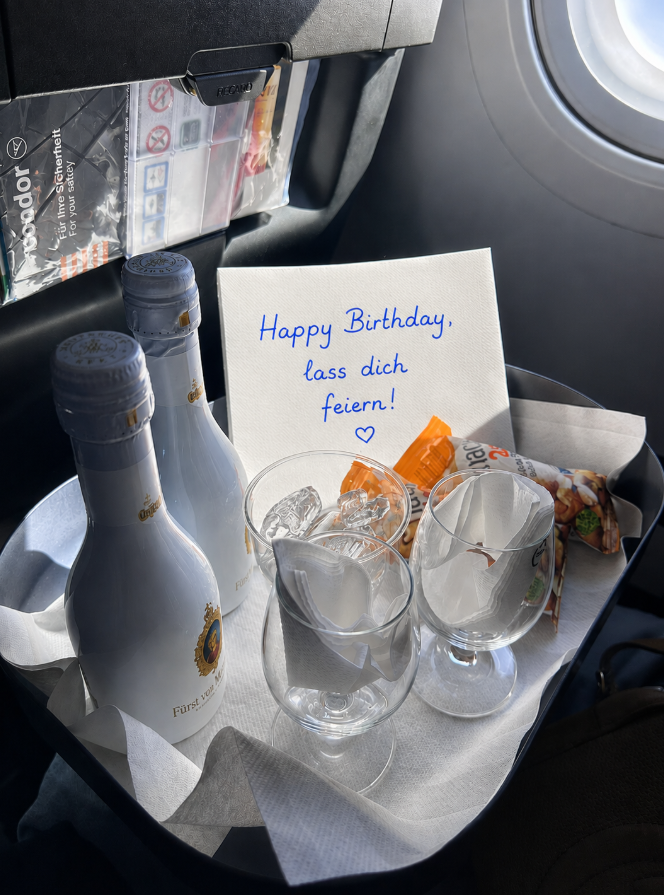
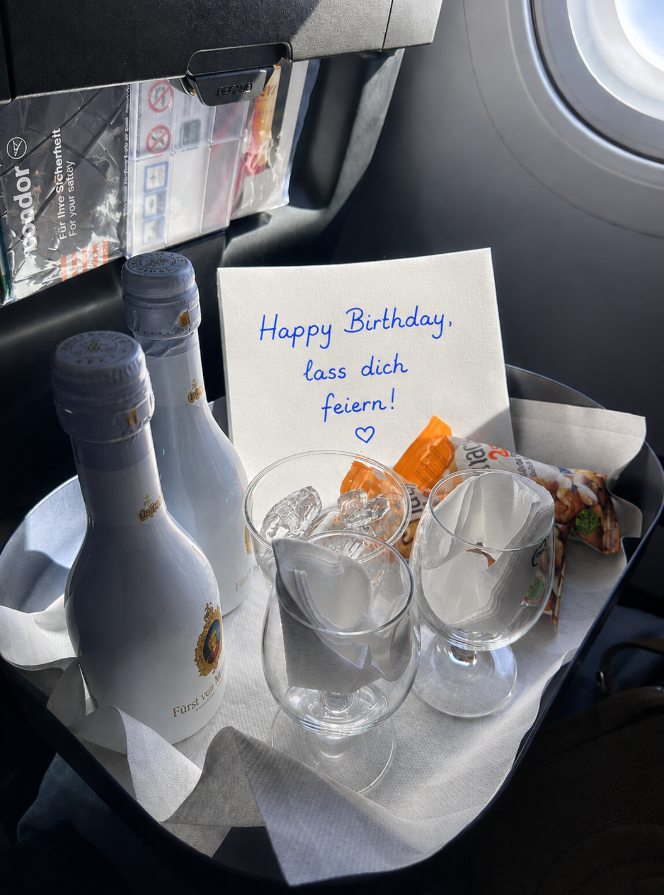
With the exclusive Condor sparkling wine package, you can send your friends or family a personalised surprise directly to their seats – personal message included, Prince of Metternich Chardonnay sparkling wine and snacks.
With two bottles of Fürst von Metternich Chardonnay sparkling wine, snacks and a little surprise at your seat, a flight quickly becomes a special travel moment.
Su, a trip becomes not just a flight, but a personal moment that often remains in memory long after landing. Today, Condor's travel story is reflected not only in aircraft and routes, but also in the small moments on board.
Perhaps the perfect surprise for the next flight together, your sister's honeymoon or simply someone who deserves a smile along the way --> find out more here
From the beginnings of holiday flights to a modern international network airline: These ten stories show how Condor has shaped travel culture, aviation, and international connections over decades – and why air travel often becomes real memories.
What started as a single flight became an airline that has been taking people on holiday for generations.
For many people, Condor marked the start of their first flight to a holiday destination.
Larger aircraft made the Balearic Islands accessible to more and more travellers.
With new planes, faraway destinations came closer and long-distance travel became possible for more and more people.
The aim behind the famous rings is to make travel comfortable and unmistakable.
More connections have made international destinations accessible to even more people.
Past and present flew together: “Willi”, “Hans” and “Achim” became symbols of Condor history.
A new design has become a trademark that makes Condor recognisable worldwide.
More destinations, more opportunities: The route map connected Europe with the world.
Sometimes a flight becomes a travel moment that will be remembered for a long time.
70 years of Condor: How many of these stories and facts do you already know?

From historic aircraft to unusual routes: How well do you know the history, records and special features of Condor?
Condor was founded in 1956 as "Deutsche Flugdienst GmbH" and is now one of the best-known holiday airlines in Europe. It was not until 1961 that the name "Condor Flugdienst" was introduced – a brand name that deliberately reminds of the majestic Andean condor and was intended to symbolise international long-distance travel.
Deutsche Flugdienst GmbH – from which Condor later emerged – is considered the oldest touristic aviation company in the world that still exists today.
Mallorca and Tenerife were among the airline's most important holiday destinations from an early stage.
The Boeing 757-300 became known as the "flying pencil" due to its distinctively long and narrow design. Of the only 55 aircraft built worldwide, around a quarter flew for Condor at times – more than almost any other airline.
Today's Condor striped look is inspired by parasols, beach towels and classic holiday culture.
Condor introduced its own Comfort Class back in 1991 – making it the first holiday airline to rethink the comfort of its guests.
And even today, the focus is on the travel experience: from modern Business Class to exclusive Mini First Class experiences above the clouds.
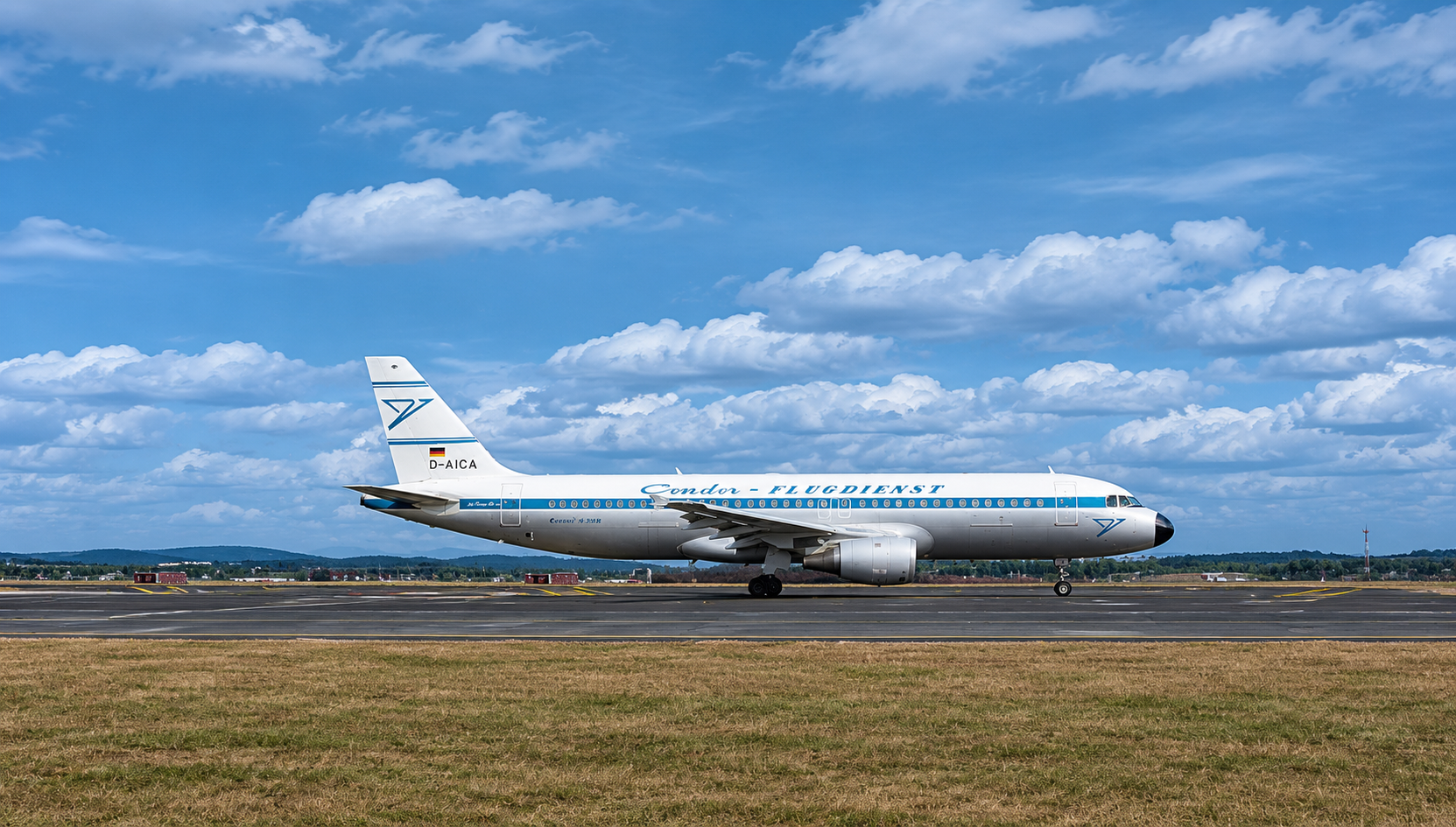
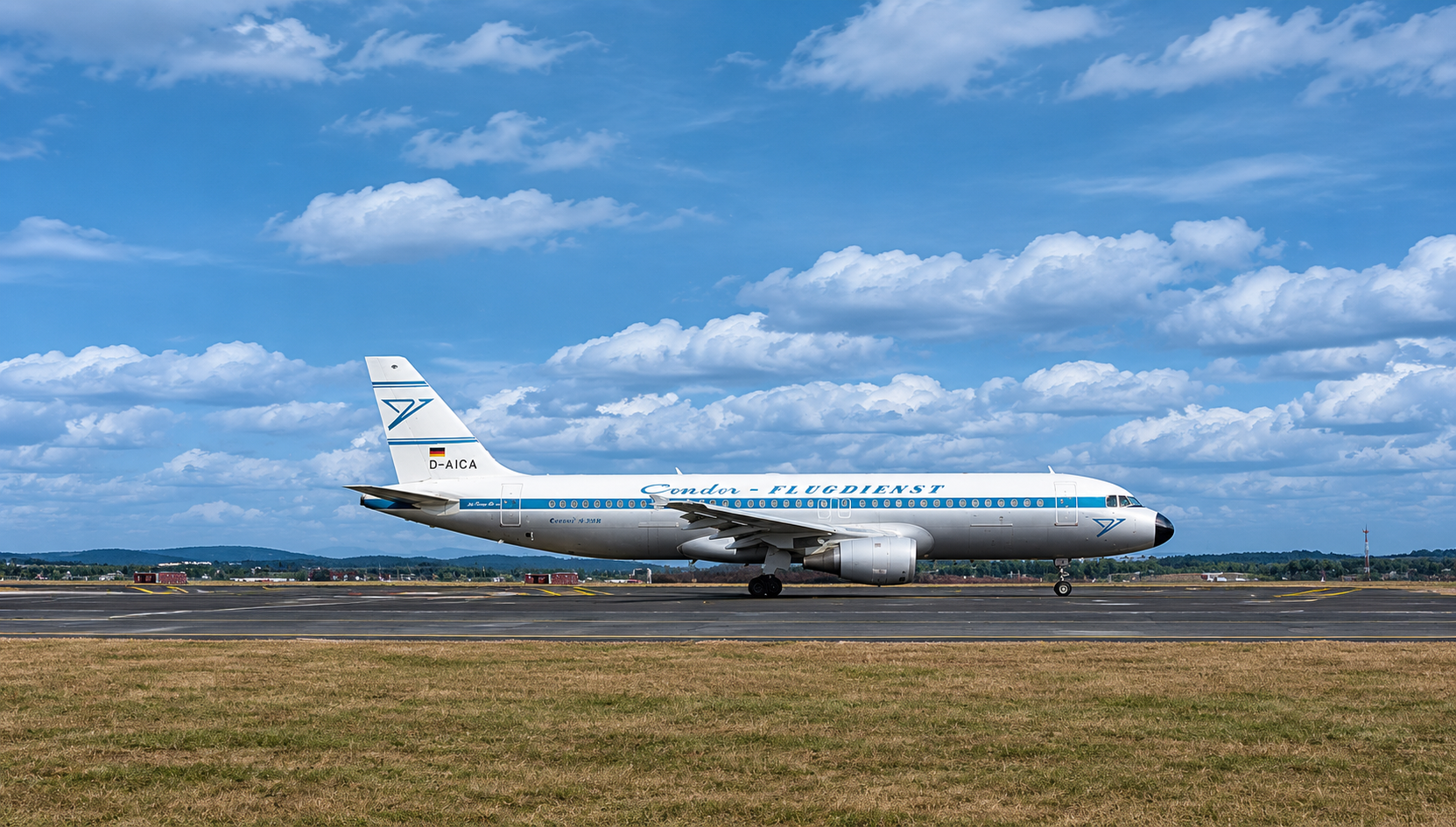
To mark its 60th anniversary, an Airbus A320 was given a nostalgic retro livery and affectionately named "Hans". The aircraft is reminiscent of the early years of the holiday flight and of tour operator Hans Geisler, who requested the first charter flight of the later Condor back in 1956. To this day, "Hans" brings guests to holiday destinations in Europe and continues to carry a piece of Condor history through the skies.
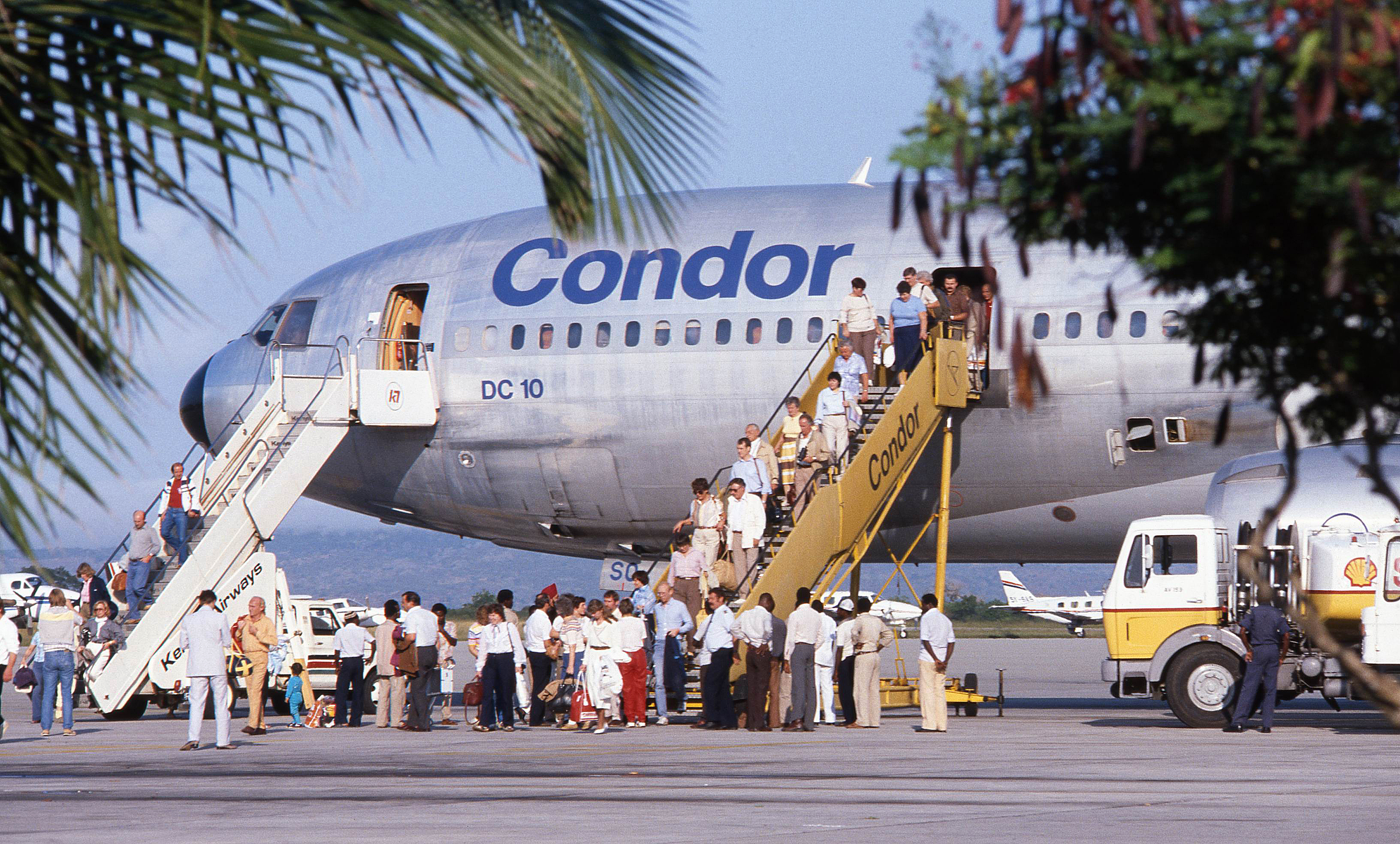
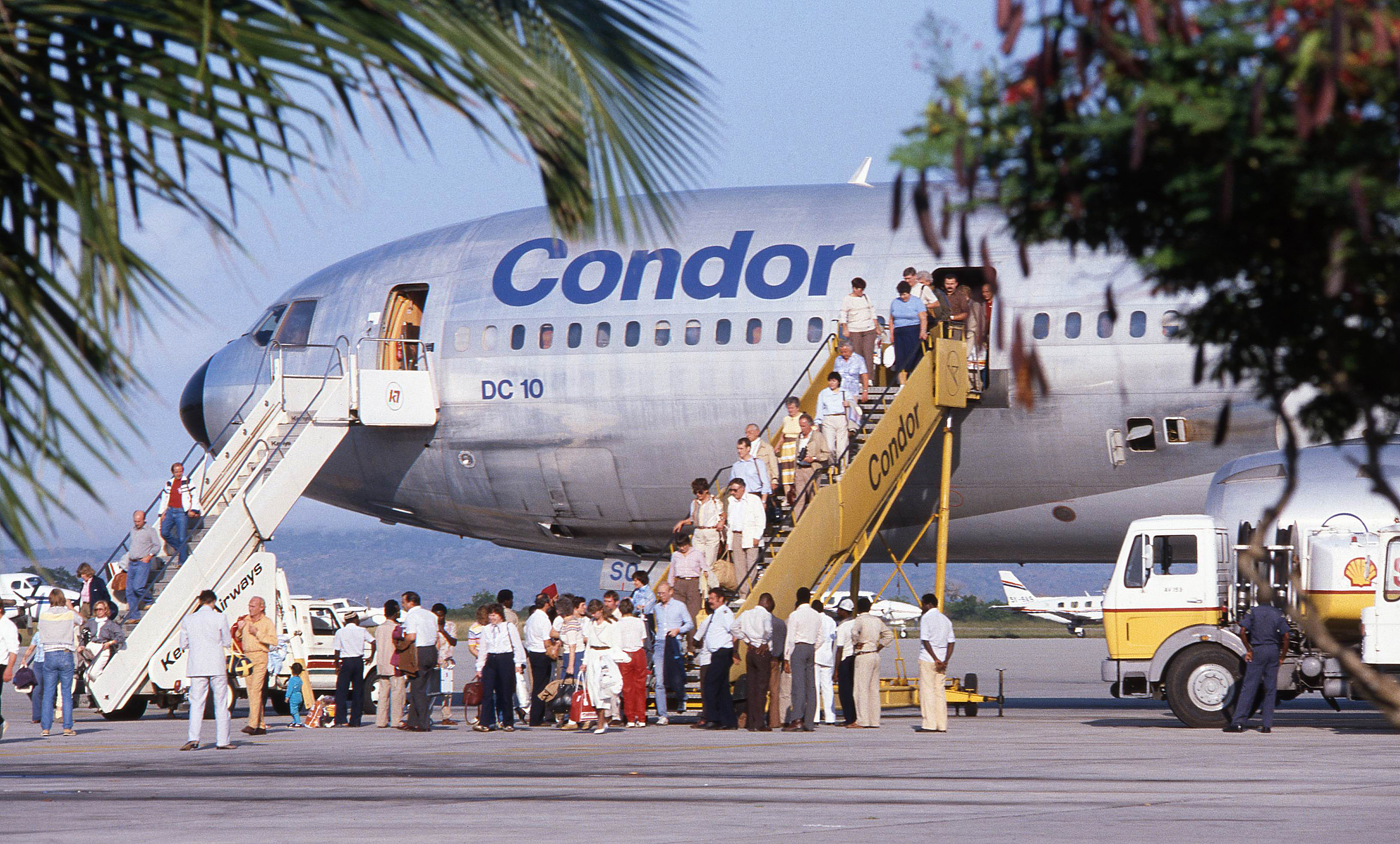
With the introduction of the McDonnell Douglas DC-10 at the beginning of the 1980s, a new era of holiday flying began for Condor.
The modern wide-body aircraft enabled the expansion of the international route network and brought travel destinations in the Caribbean, Africa and Asia within reach for more and more holidaymakers.
For many years, the DC-10 shaped the airline's international holiday air traffic and became a symbol of the growing long-distance travel boom of the 1980s and 1990s. With it, not only the Condor fleet changed – but also the travel behaviour of an entire generation of holidaymakers.
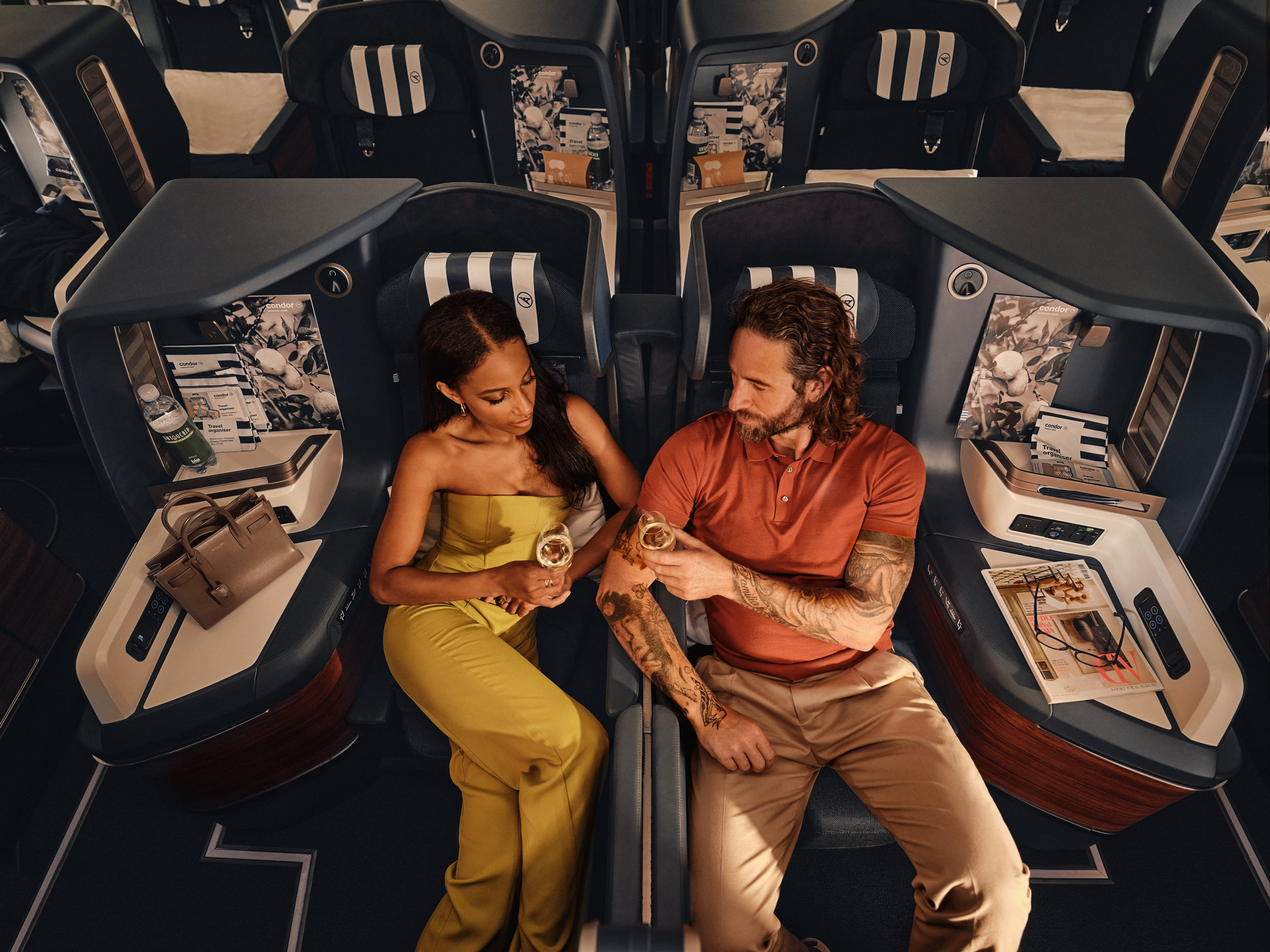
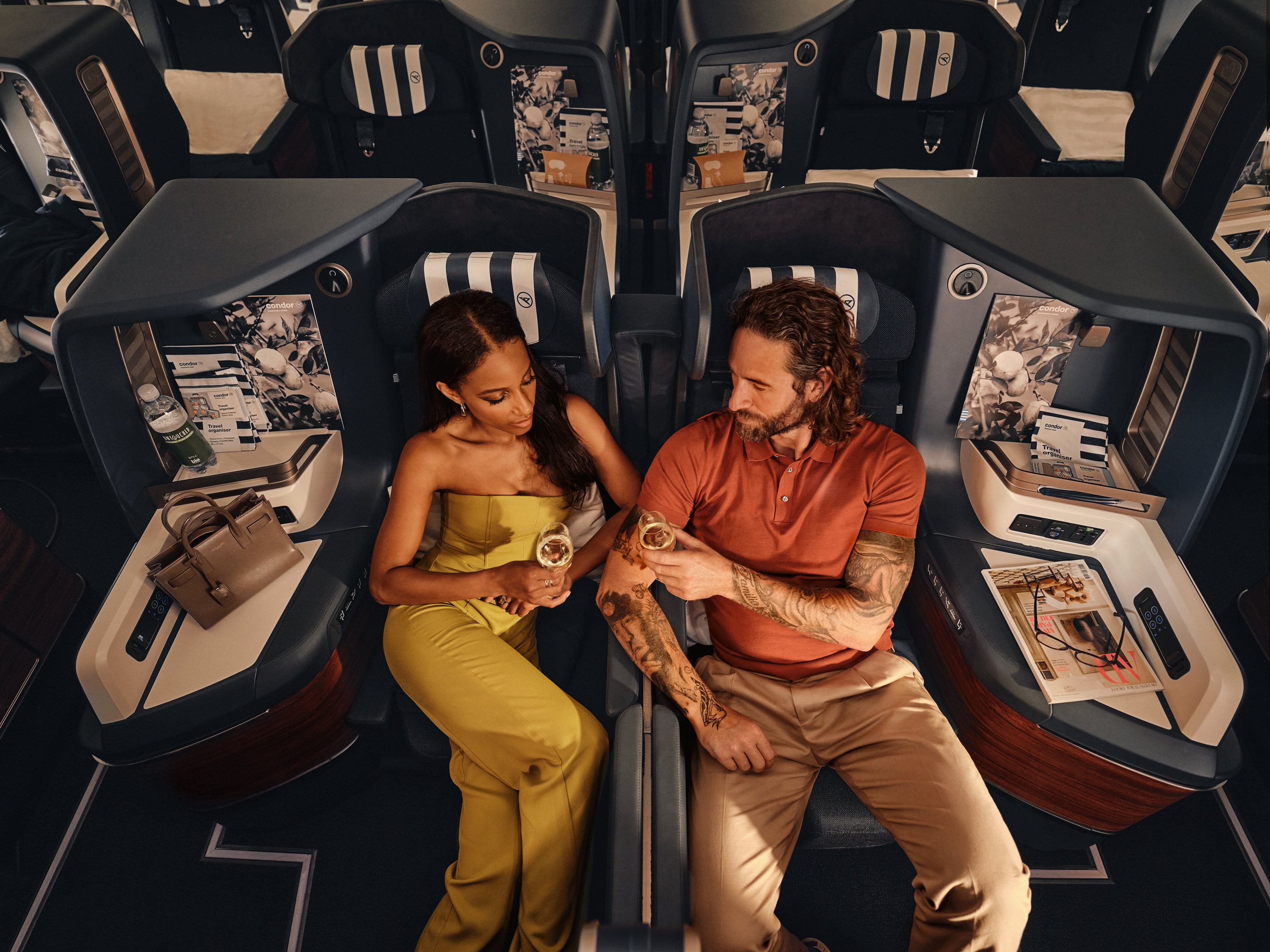


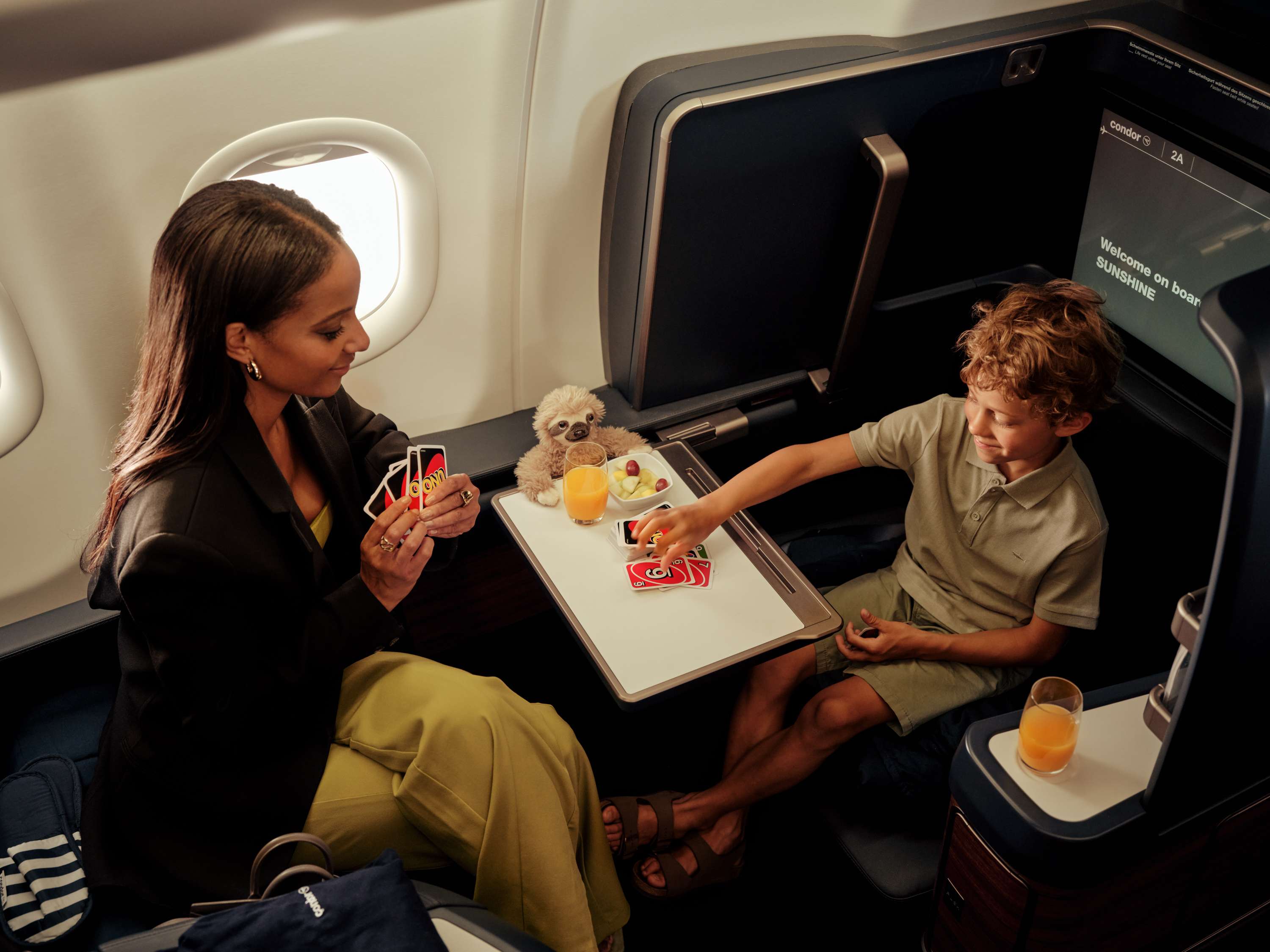
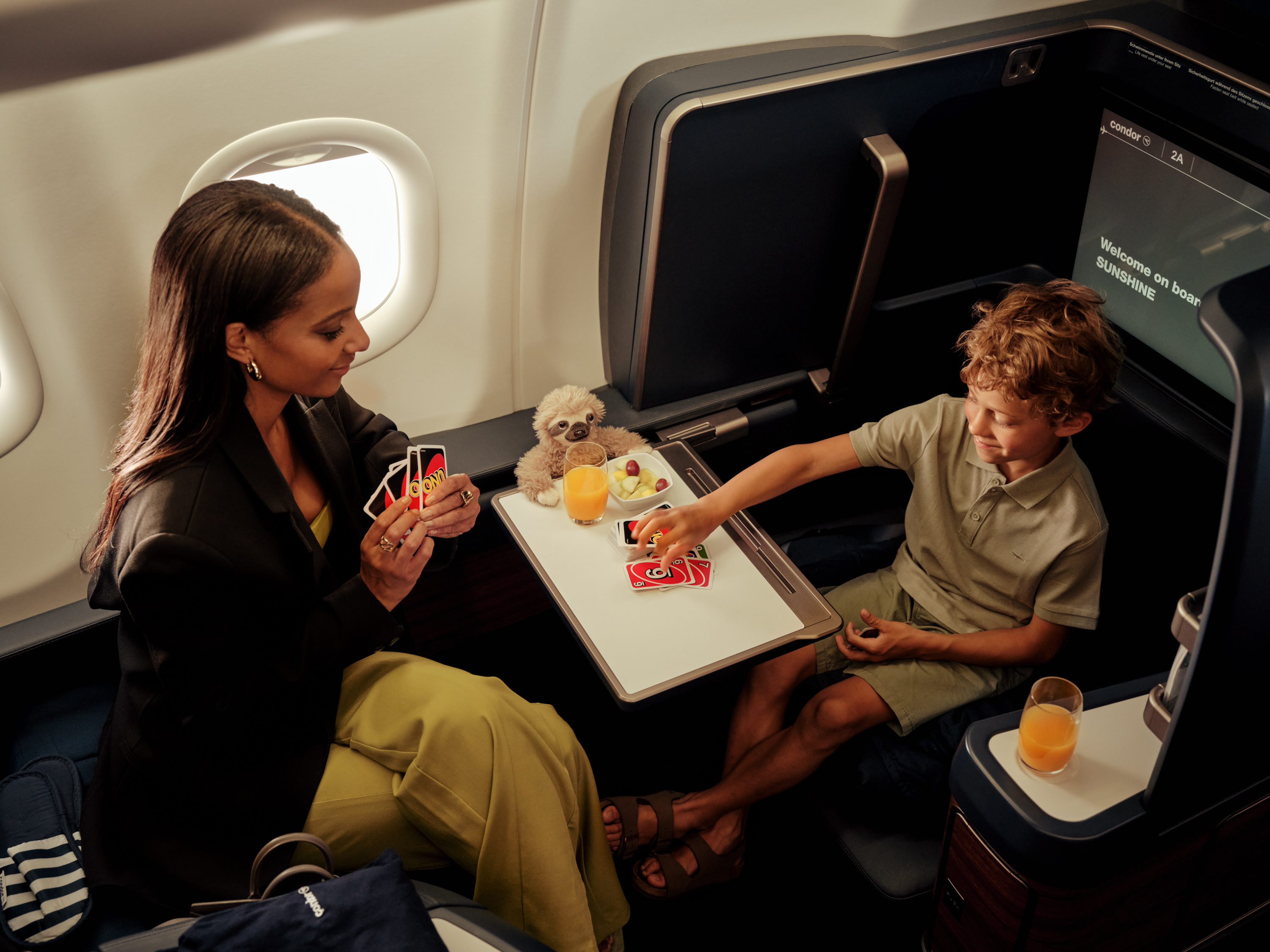
Since 2023, Condor has been offering a completely new flight experience with the introduction of Prime Seat in Business Class. The Condor Prime Seats bring features on board that are otherwise often reserved for First Class. This means, among other things, more space, an extra large ottoman with Buddy Seat, larger screens (24") and a setup where travel partners can eat or toast together.
There's a reason why the Prime Seats in Business Class are often called "Mini First Class".
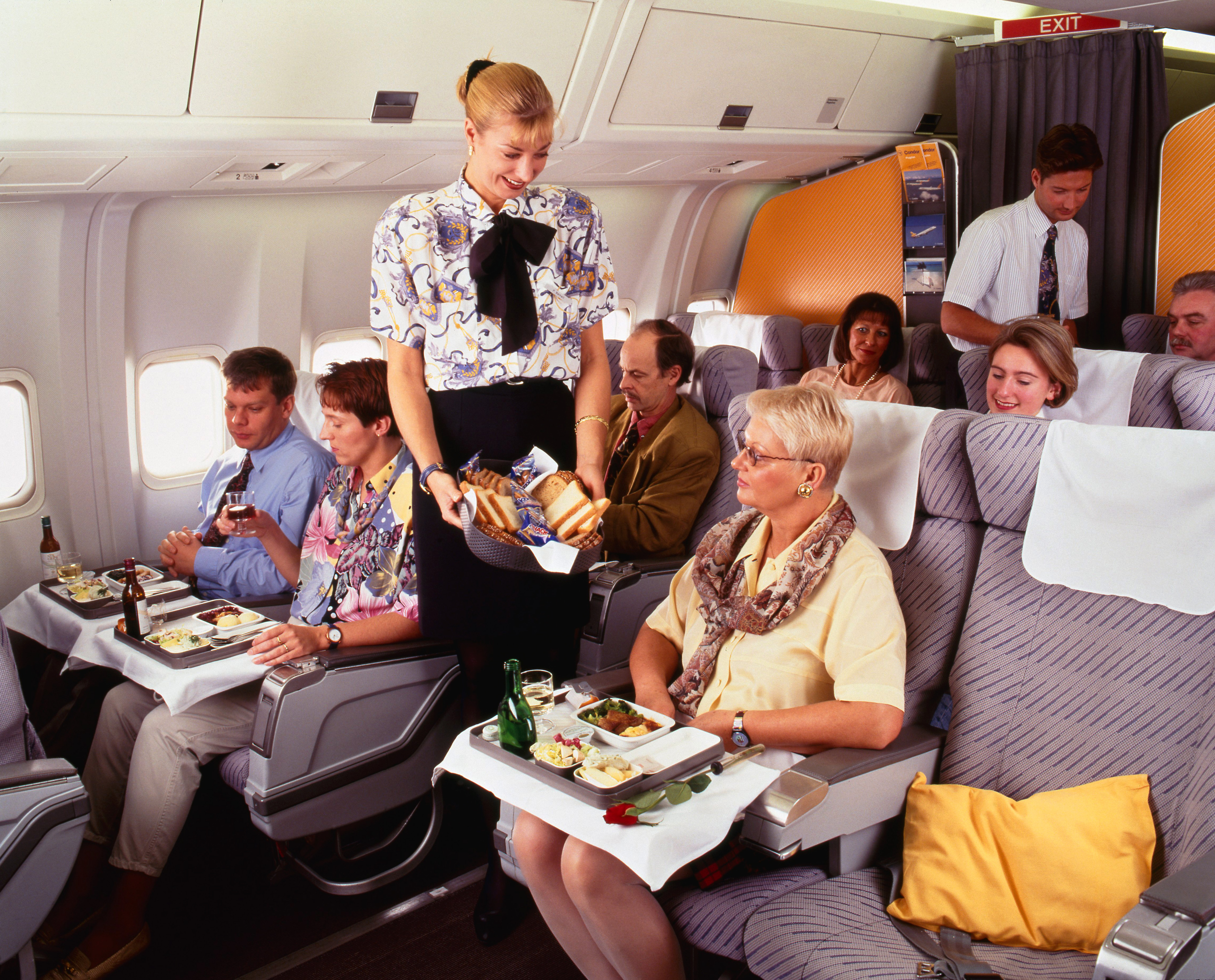
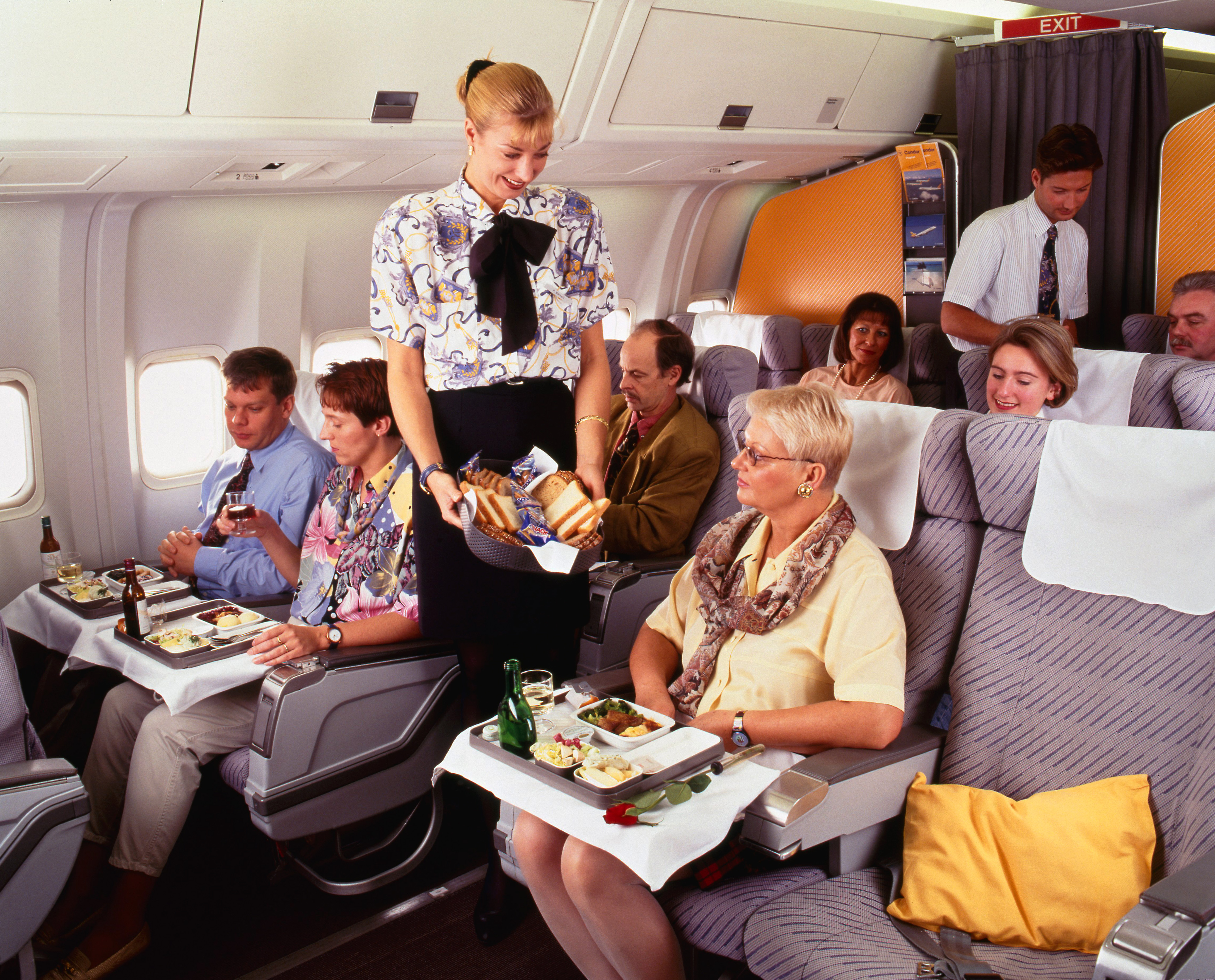
In 1991, Condor was the first leisure airline in the world to introduce its own Comfort Class. More legroom, more comfort and a more relaxed start to your holiday – this is exactly what became possible for many travellers for the first time in the early 1990s.
Back then, it was a revolutionary step to offer a superior class – comparable to a business class – in the charter and holiday flight sector. Larger seat spacing, additional comfort and extended service made travelling much more relaxed for many guests.
For travellers, this meant more comfort on the way to their holiday – at a time when additional legroom and an extended service offering in the holiday flight sector were anything but standard.
Although the term "Comfort Class" is a thing of the past, the idea behind it lives on: With modern Business Class and Premium Economy, Condor still offers more comfort above the clouds today.
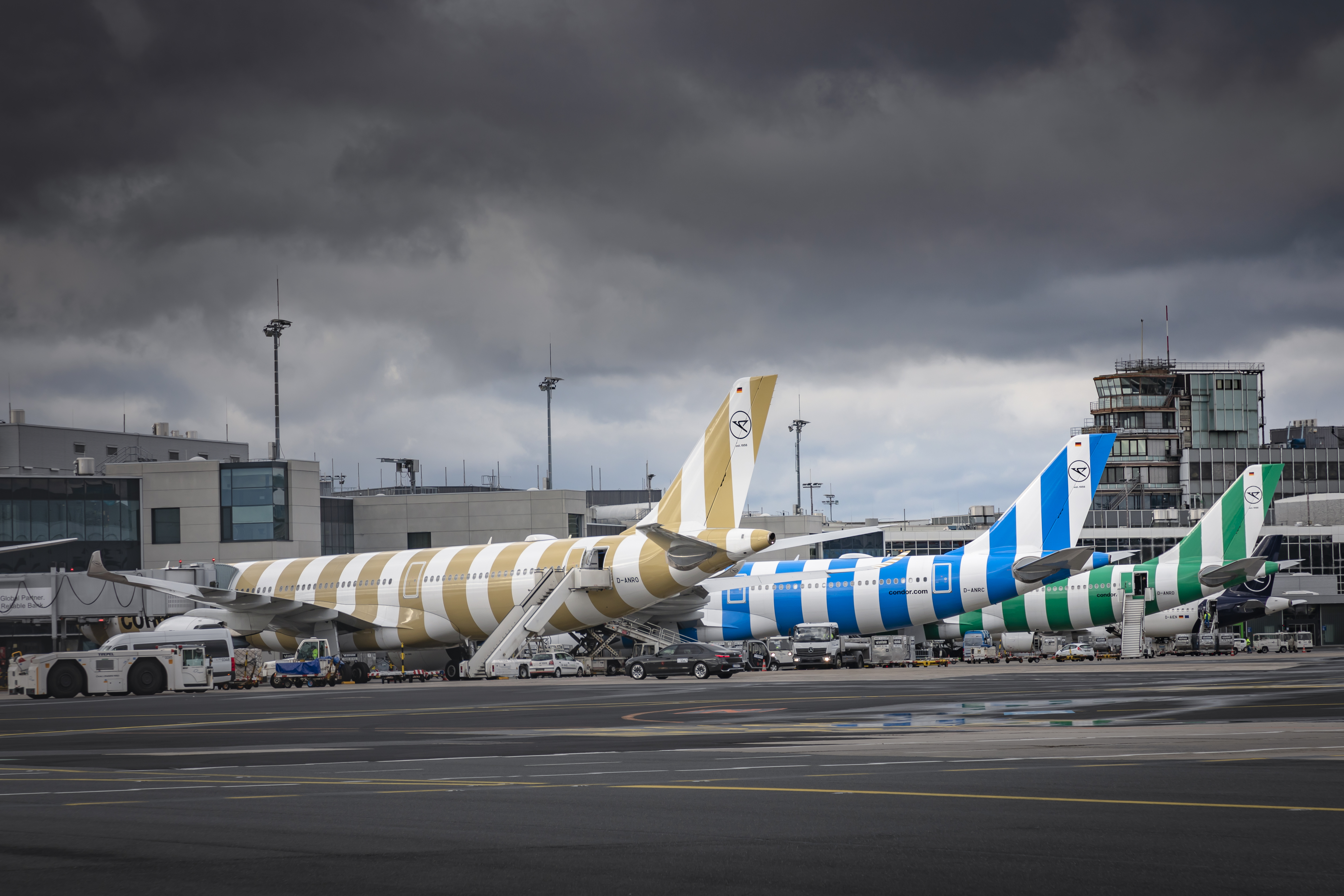
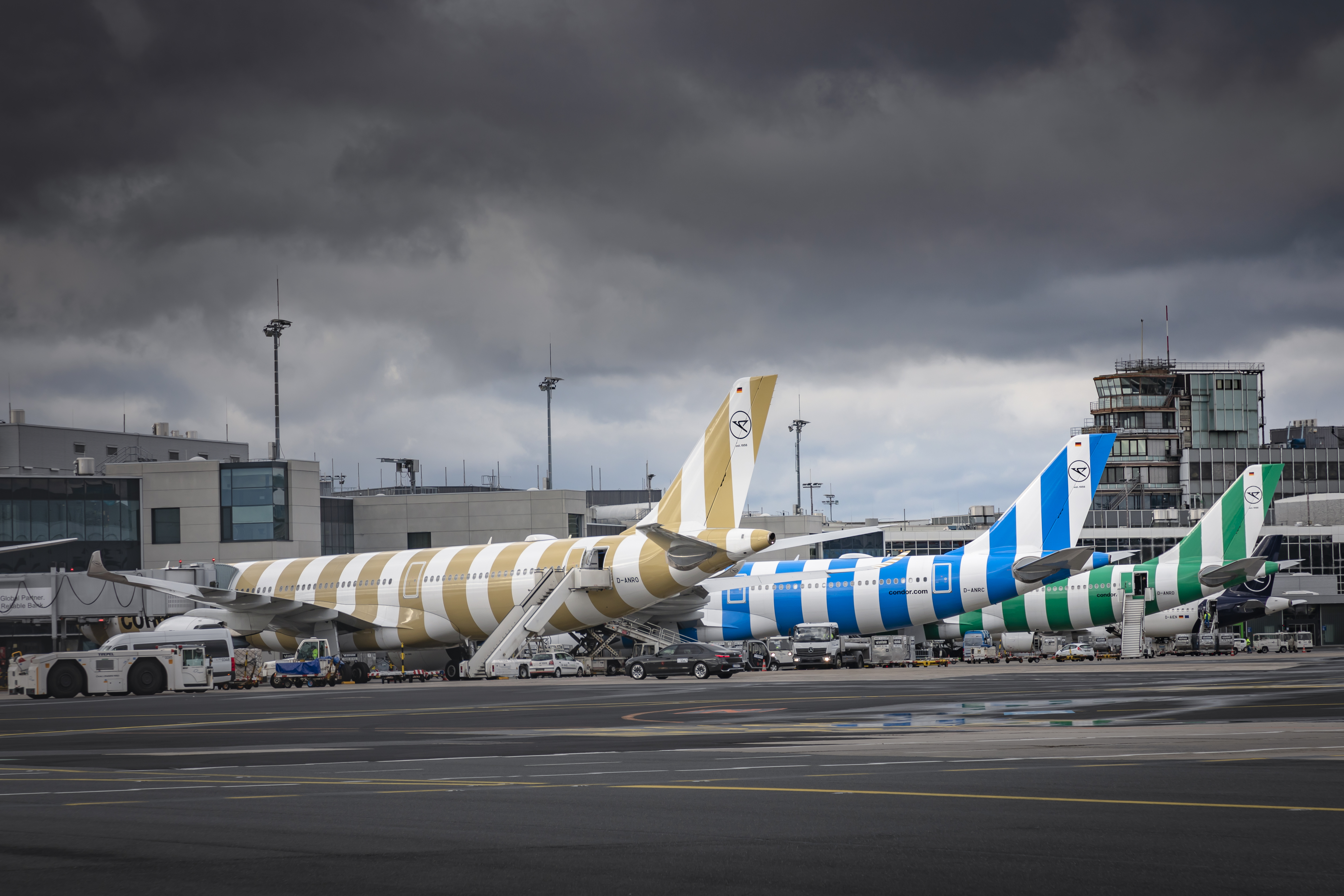
Umbrellas, beach towels and the feeling of summer by the sea – that's exactly what created the iconic Condor striped look. For many travellers, the stripes became a visible sign that the holiday is beginning. With the distinctive stripes, Condor transformed its aircraft into flying holiday symbols and created a design that is immediately recognised worldwide today. The colours each stand for different
Facets of travel:
Sunshine (yellow) – sunshine
Passion (red) – passion
Sea (blue) – the sea
Island (green) – islands and nature
Beach (beige) – beach and sand
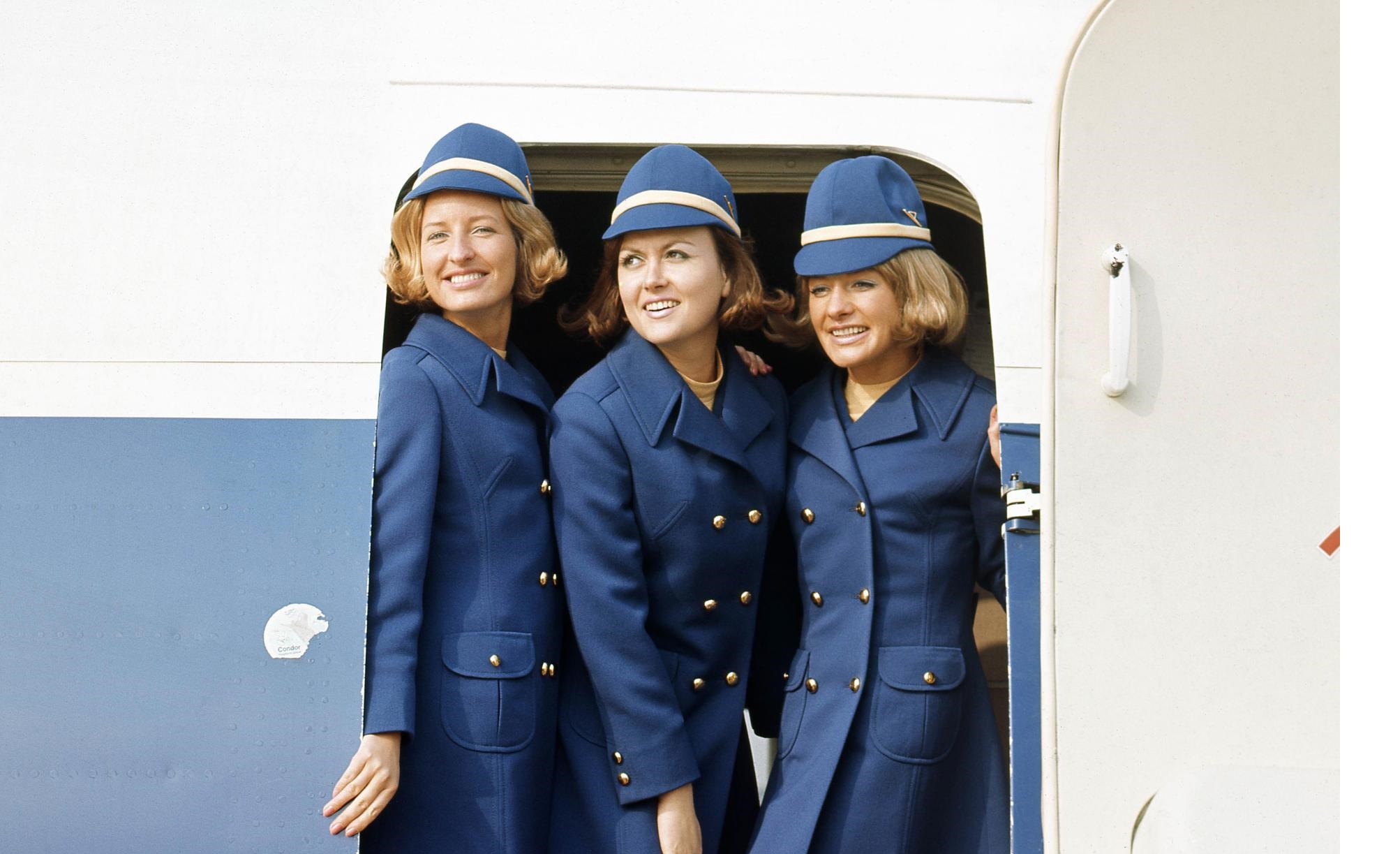
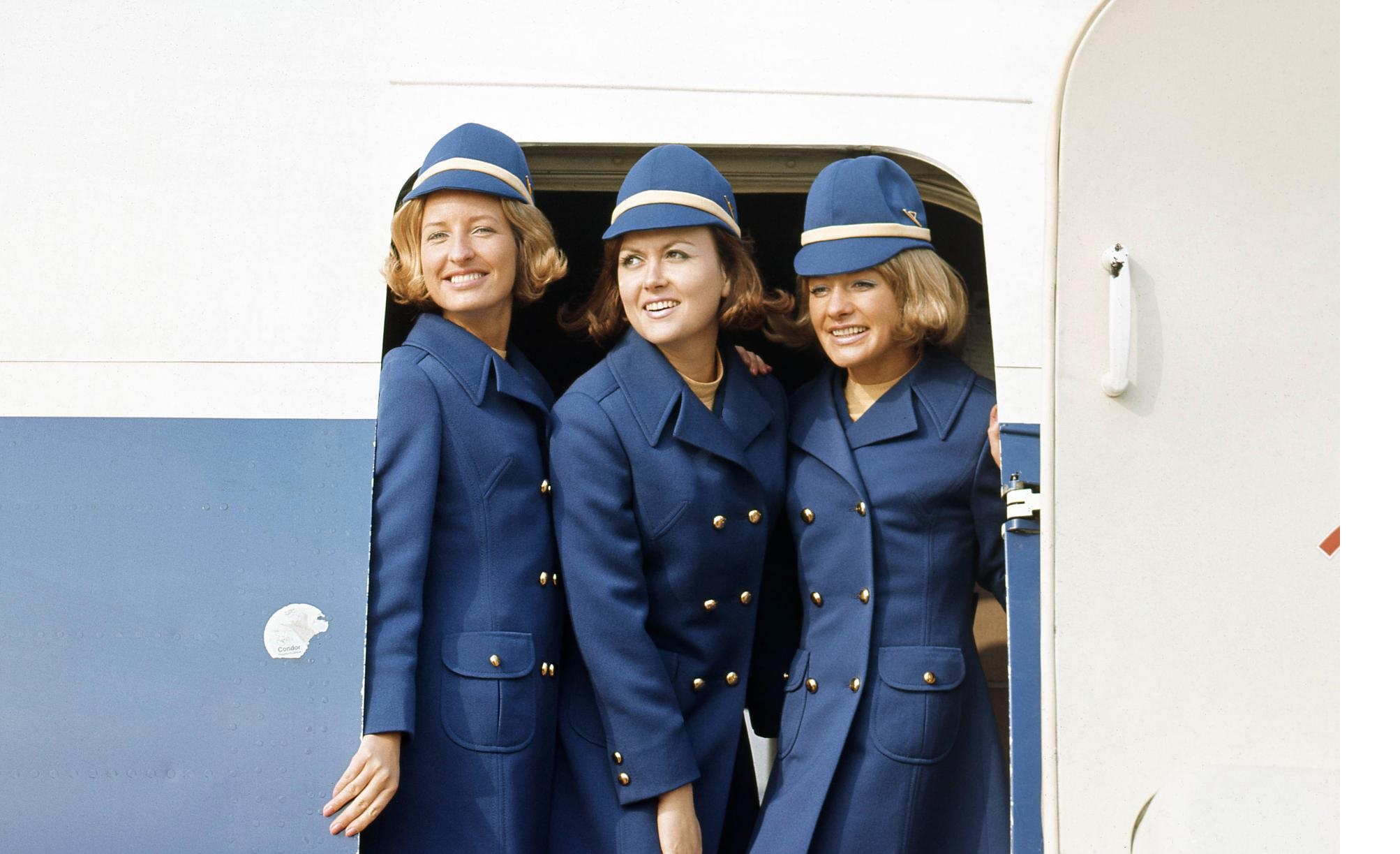
The colourful stripes have long been found not only on the aeroplanes, but also in the cabin and as details on the crews' uniforms.
In this way, a design concept became a visible symbol of holidays, wanderlust and the travel experiences that many people associate with Condor.
If you want to know which aircraft number goes with which stripe colour, you can find the overview here. While some aircraft became known through their names, a completely new design later made the airline unmistakable.
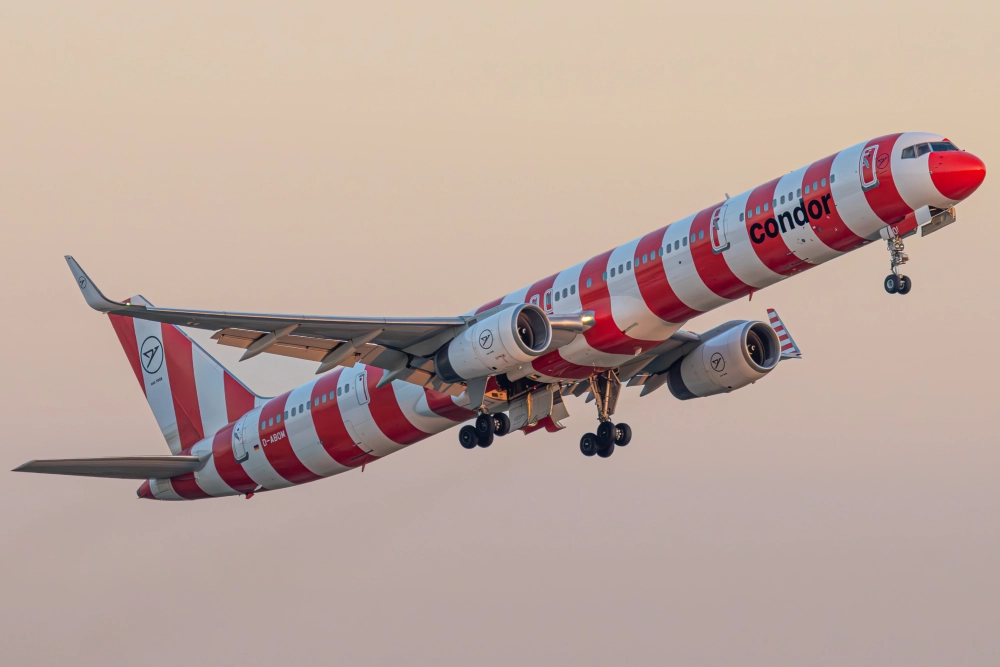
Some aeroplanes evoke memories. With special liveries such as “Willi”, “Hans” and “Achim”, Condor made parts of its own history visible to travellers and brought past decades back to the skies.
The Boeing 757-300 "Willi" with its eye-catching heart livery was reminiscent of the popular sales manager Wilfried Meyer and shaped the image of the airline for many years.
Whoever looked closely also discovered the little fly on the tail – the mascot of the former campaign "Wir lieben Fliegen" ("We love flying").
Even though the "Little Fly" retired in 2015, the slogan still fits 20 years later.
The Airbus A320 "Hans", with its retro livery, brought the early days of holiday flights back to the skies and commemorated travel entrepreneur Hans Geisler, who requested the first charter flight of the later Condor as early as 1956.
"Willi" was introduced in 2006 to mark the 50th company anniversary, and "Hans" followed ten years later to mark the 60th anniversary – and is still in use today. Another retro livery followed in 2012: the Boeing 767-300 with the registration D-ABUM was given the 1970s design, bringing a piece of Condor history back into the air. The aircraft was named "Achim" – in honour of long-serving Condor employee Achim Nietmann, who retired after 37 years in flight operations. The name was chosen in a vote among the employees.
All three aircraft connected past and present and became flying symbols of Condor history.
For many guests, they thus became recognizable companions on their travels and symbols of personal holiday memories. But it was not only aircraft types that shaped Condor's history, but also machines with a personality all their own.