Icons of the skies
They brought millions of people on holiday and, for many, became part of the journey themselves. Discover the most legendary aircraft from 70 years of Condor.
They brought millions of people on holiday and, for many, became part of the journey themselves. Discover the most legendary aircraft from 70 years of Condor.
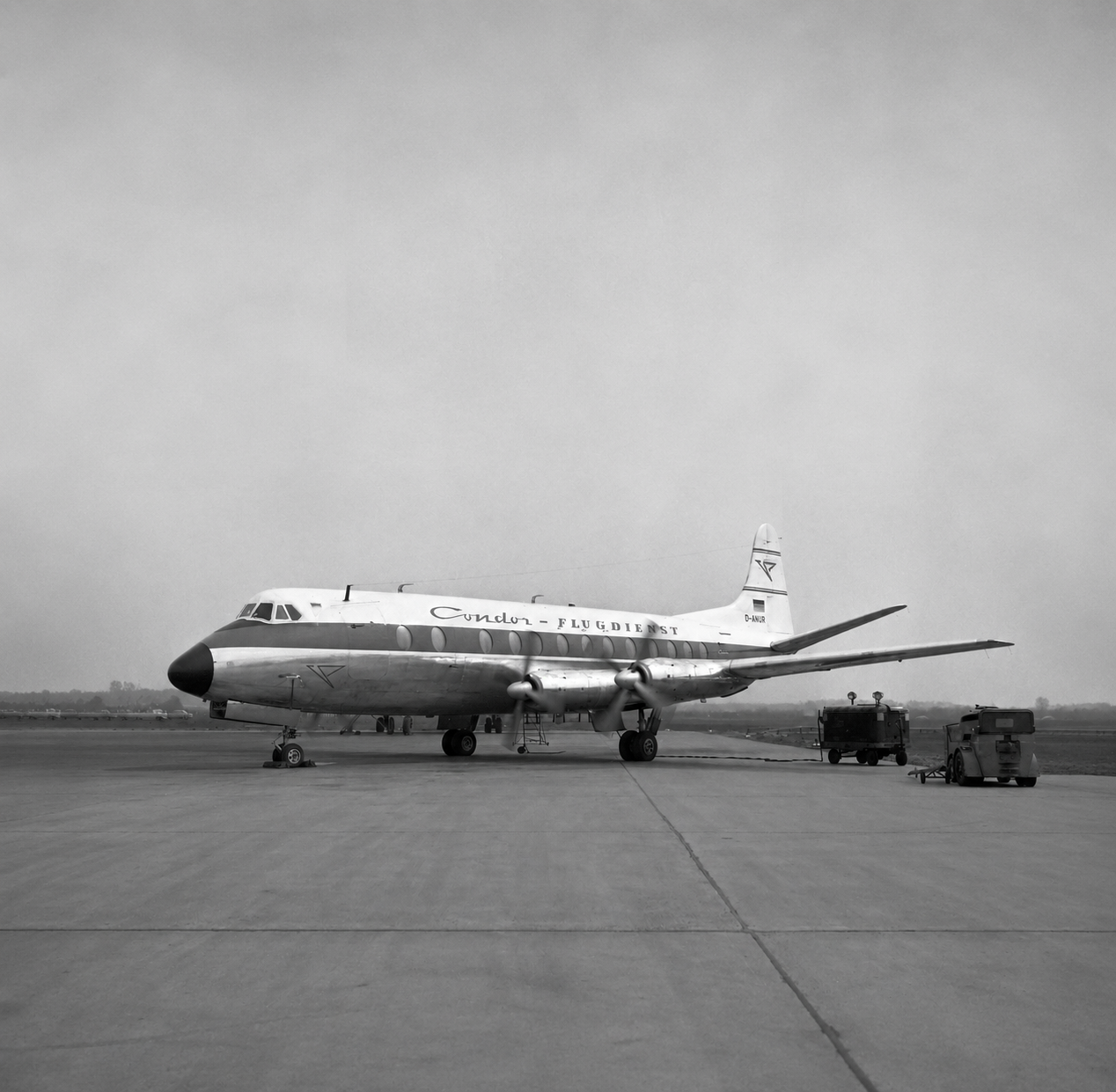
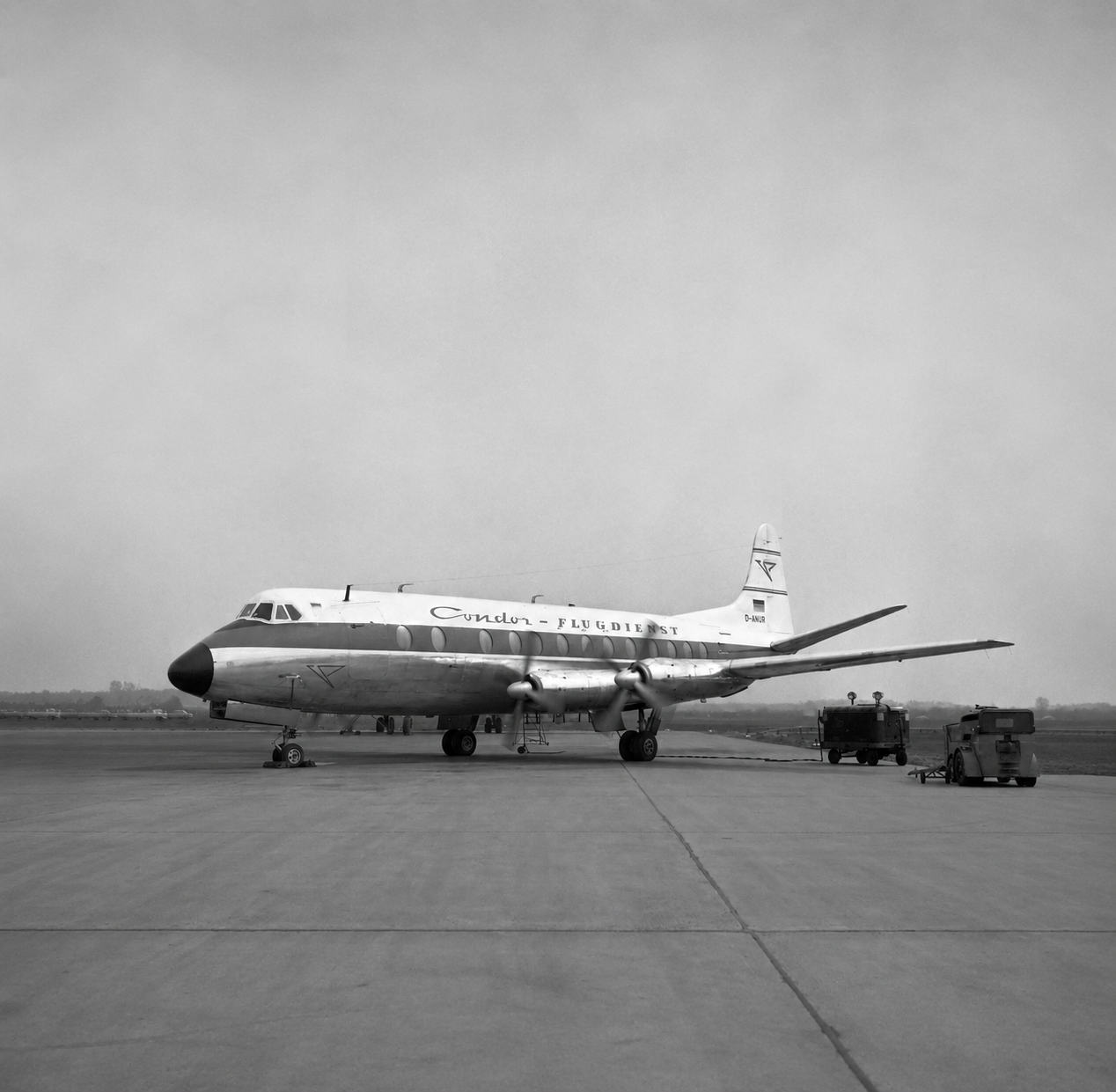
The history of Deutsche Flugdienst – which later became Condor – began in 1956 with the Vickers Viking. In the early years, Condor initially relied on the Vickers Viking, a twin-engine propeller aircraft from Great Britain. The aircraft had around 36 seats and were robust enough for the charter routes of the time. The first aircraft were purchased in England at the beginning of 1956 – for around 25,000 British pounds per aircraft (around 310,000 German marks).
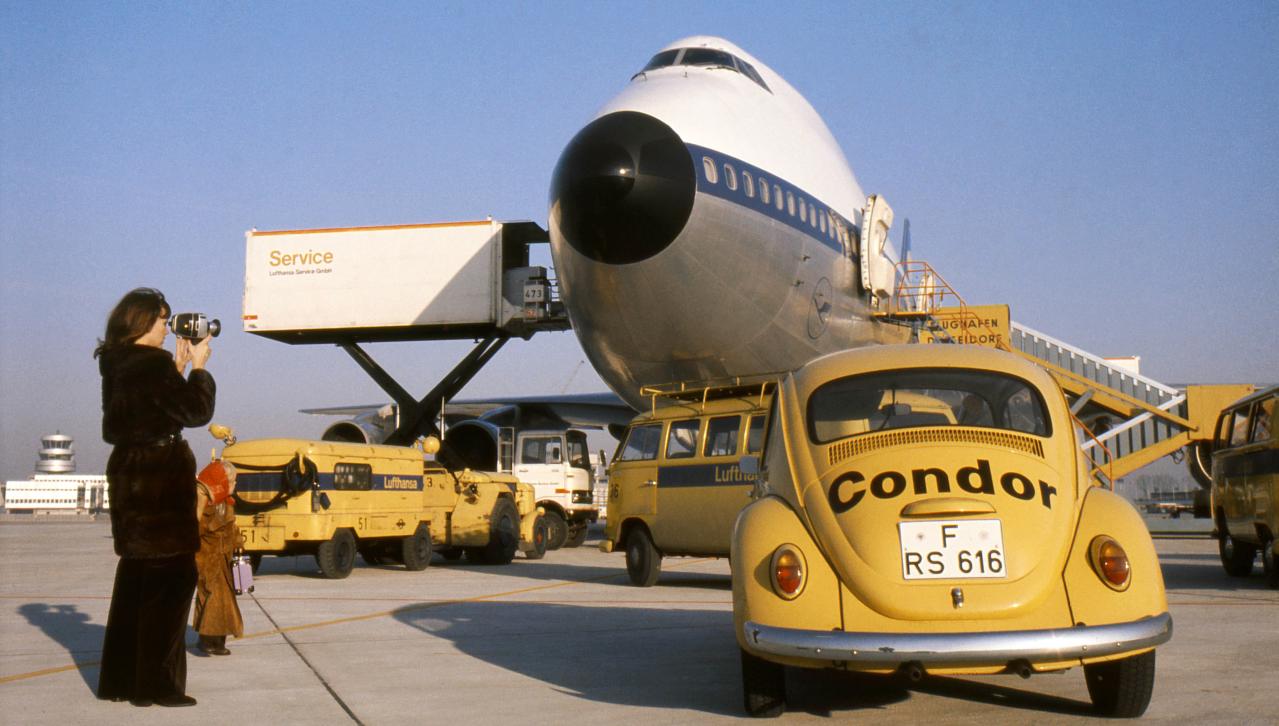
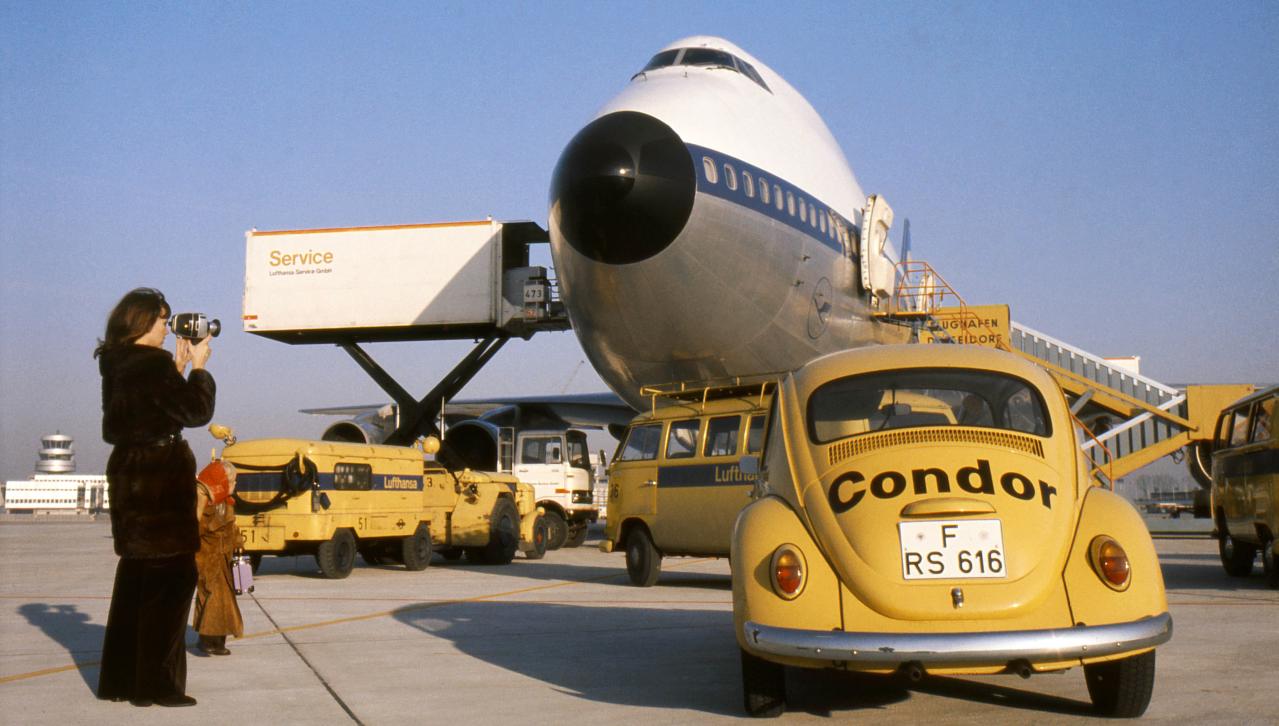
In 1971, Condor made aviation history with the Boeing 747: As the first charter airline worldwide, the airline used a Jumbo Jet in holiday air traffic. Condor owned two of these legendary machines and affectionately called them "Fritz" and "Max", which became symbols of booming package tourism.
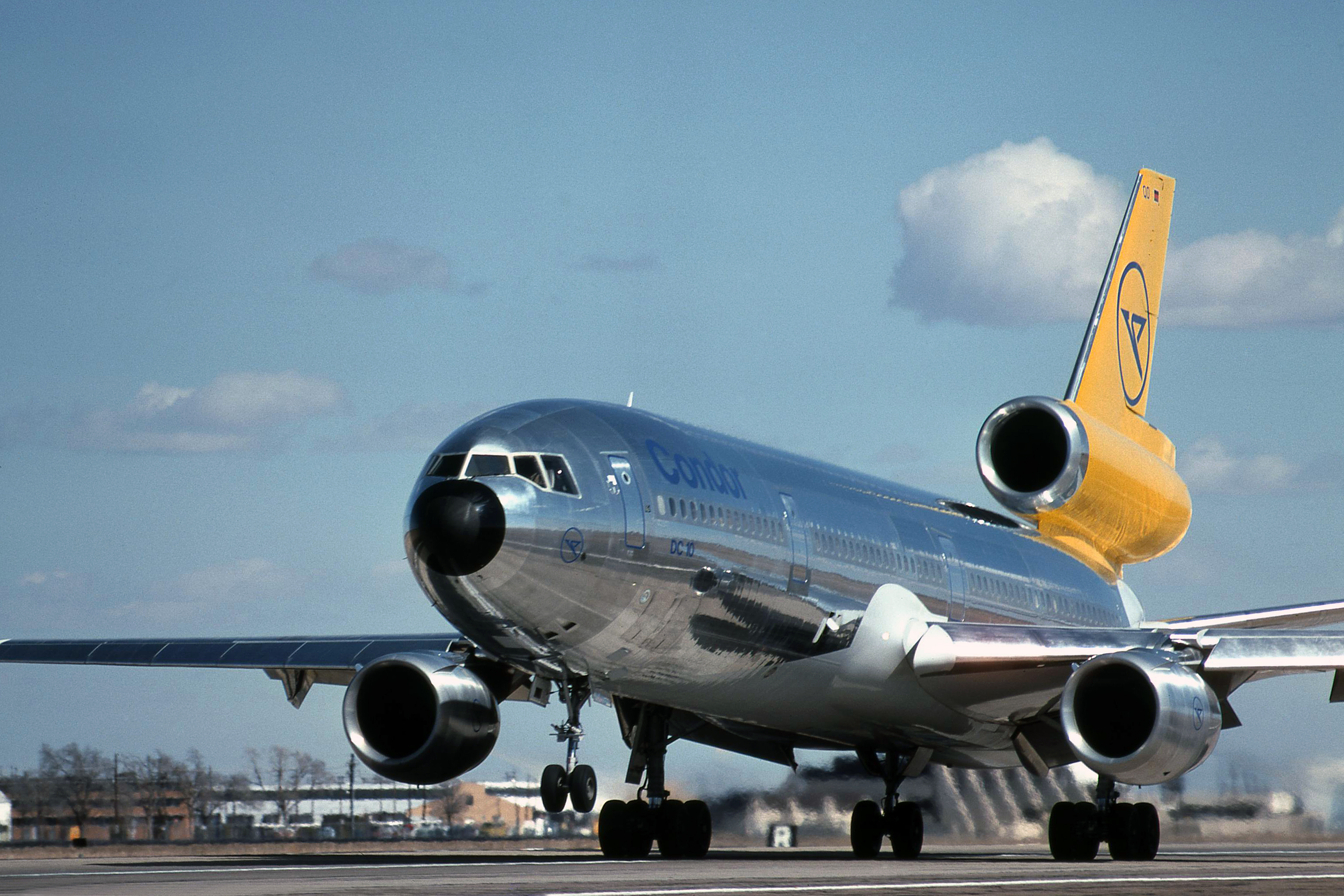
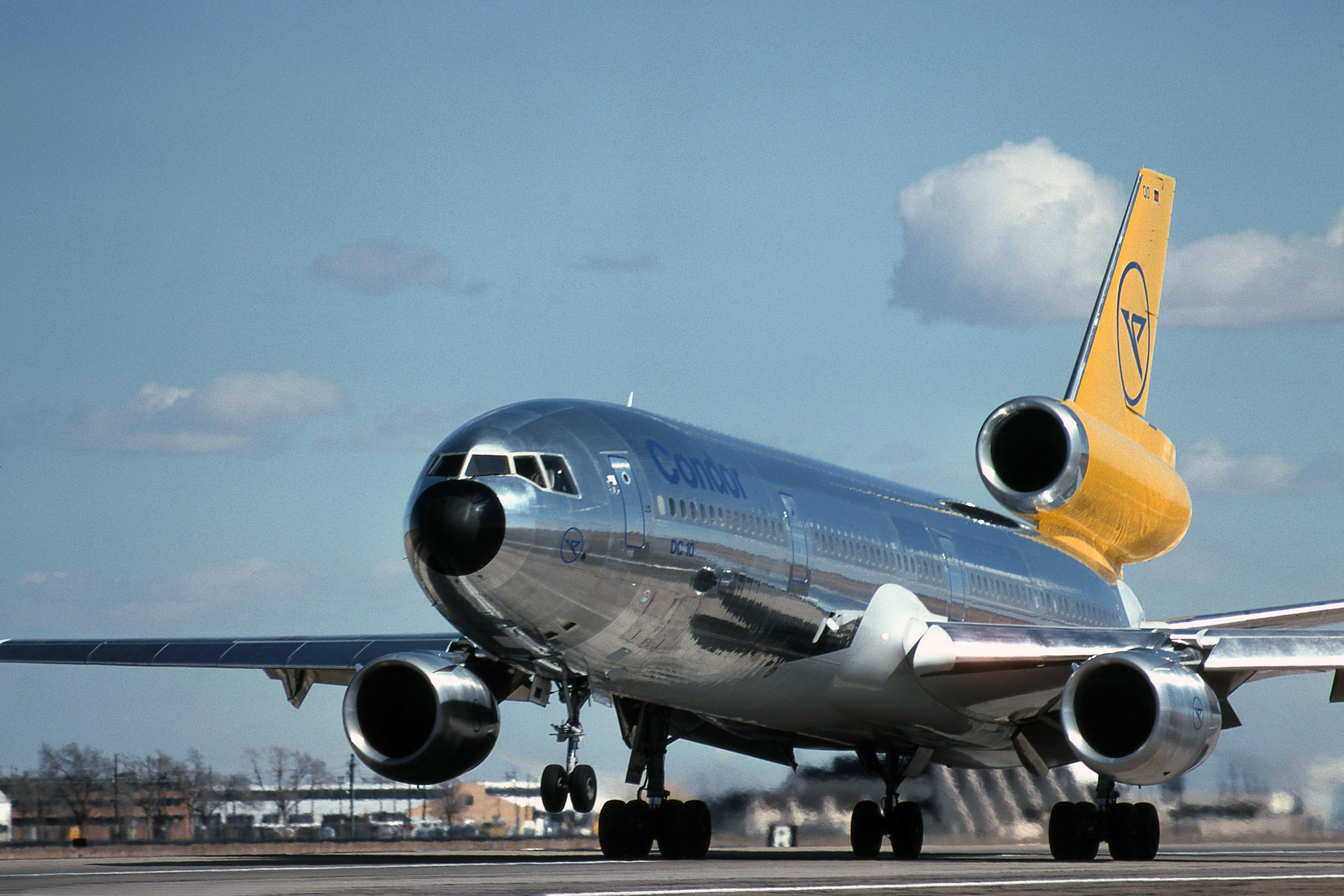
The McDonnell Douglas DC-10 became the backbone of the Condor long-haul fleet in the 1980s. With it, the airline brought holidaymakers comfortably to long-distance destinations in the Caribbean, Africa and North America.
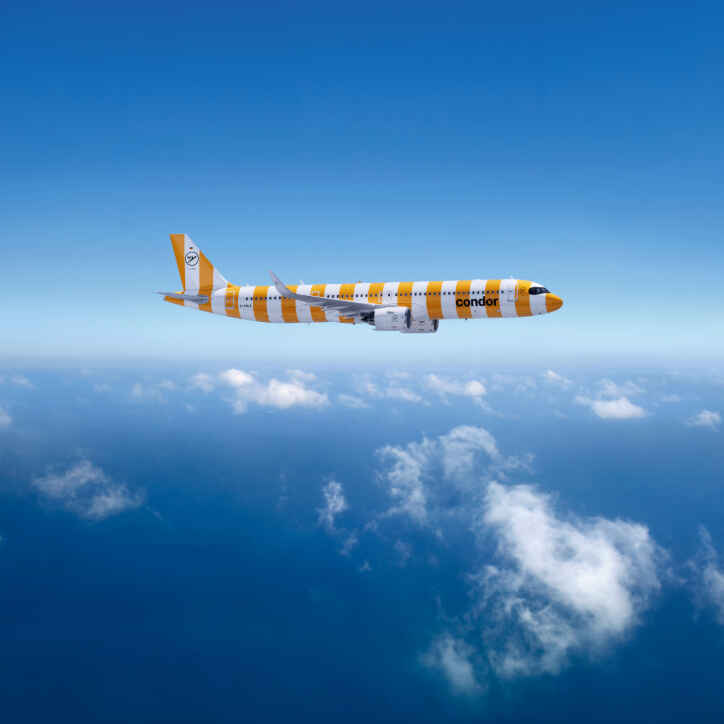
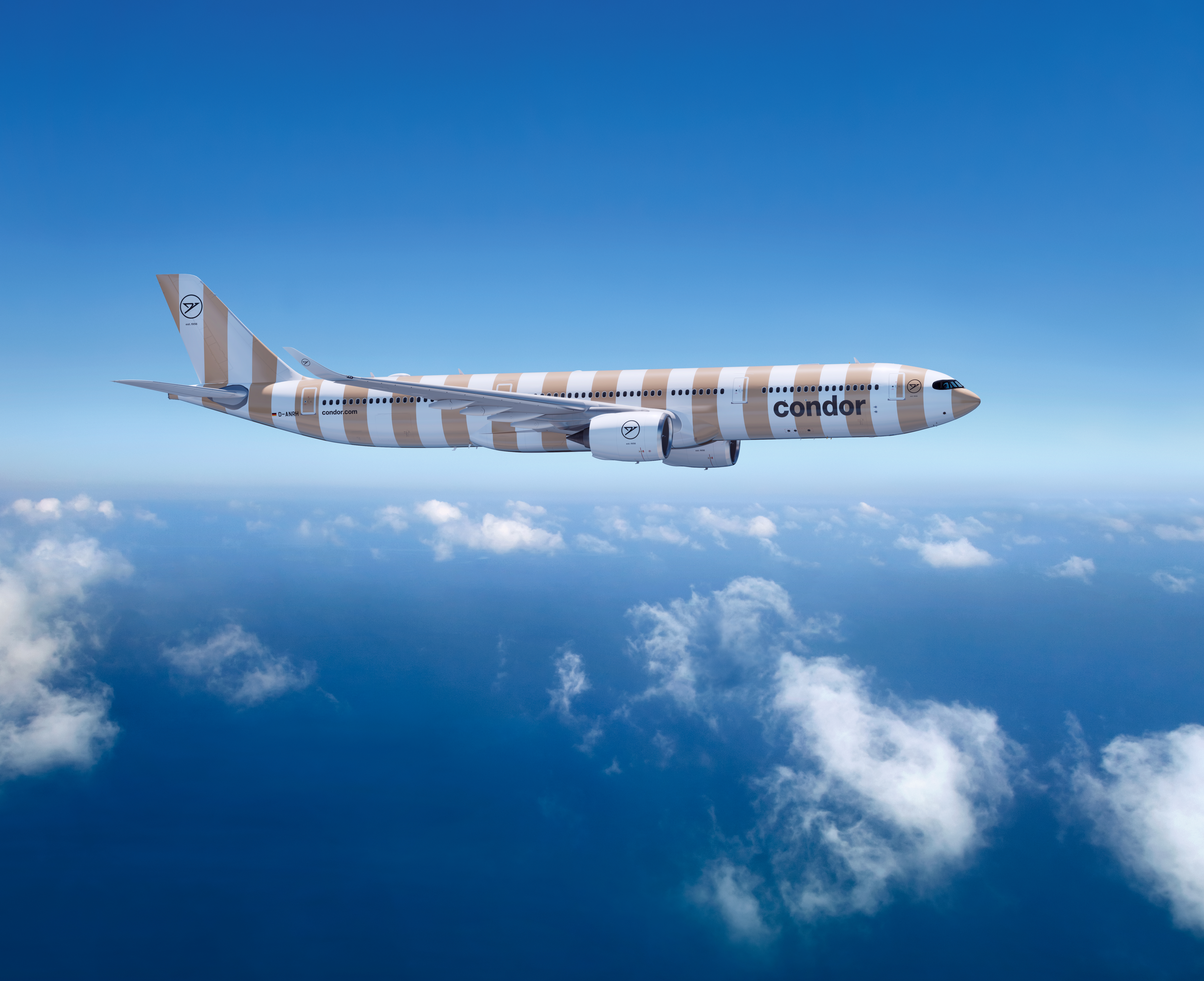
Whether colourful works of art, nostalgic retro designs or emotional homages to influential personalities: Over the decades, numerous Condor aeroplanes have become flying ambassadors of their time.
The following special liveries show some of the most famous and unusual designs in airline history – from legendary retro jets to modern brand collaborations. However, this collection is not complete. In addition to the special liveries, more than 17 different logos have adorned the Condor aircraft over the years.
Some airplanes are more than just machines – they tell stories. At Condor, “Willi” and “Hans” in particular have become real crowd-pleasers over the years.
The Boeing 757-300 “Willi”, with its eye-catching heart-shaped livery, was a tribute to the popular sales director Wilfried Meyer and defined the airline’s image for many years.
Whoever looked closely also discovered the little fly on the tail – the mascot of the former campaign "Wir lieben Fliegen" ("We love flying").
Even though the "Little Fly" retired in 2015, the slogan still fits almost 20 years later.
"Willi" was introduced in 2006 to mark the company’s 50th anniversary, and "Hans" followed ten years later to mark the 60th anniversary – and is still in use today. Another retro livery followed in 2012: the Boeing 767-300 with the registration D-ABUM was given the 1970s design, bringing a piece of Condor history back into the air. The aircraft was named "Achim" – in honour of long-serving Condor employee Achim Nietmann, who retired after 37 years in flight operations. The name was chosen in a vote among the employees.
All three aircraft connected past and present and became flying symbols of Condor history.
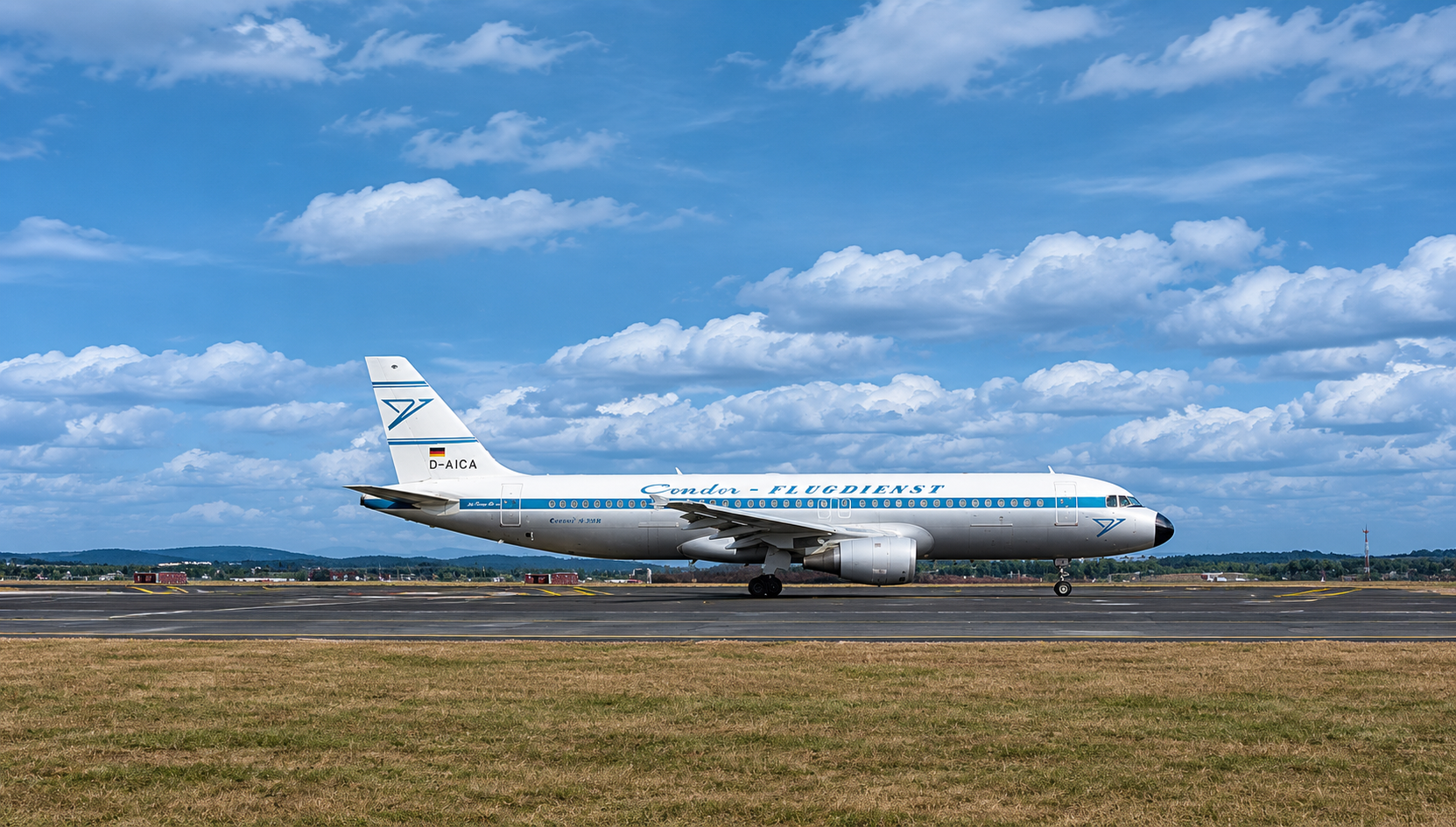
The Airbus A320 "Hans", with its retro livery, brought the early days of holiday flights back to the skies and commemorated travel entrepreneur Hans Geisler, who requested the first charter flight of the later Condor as early as 1956.
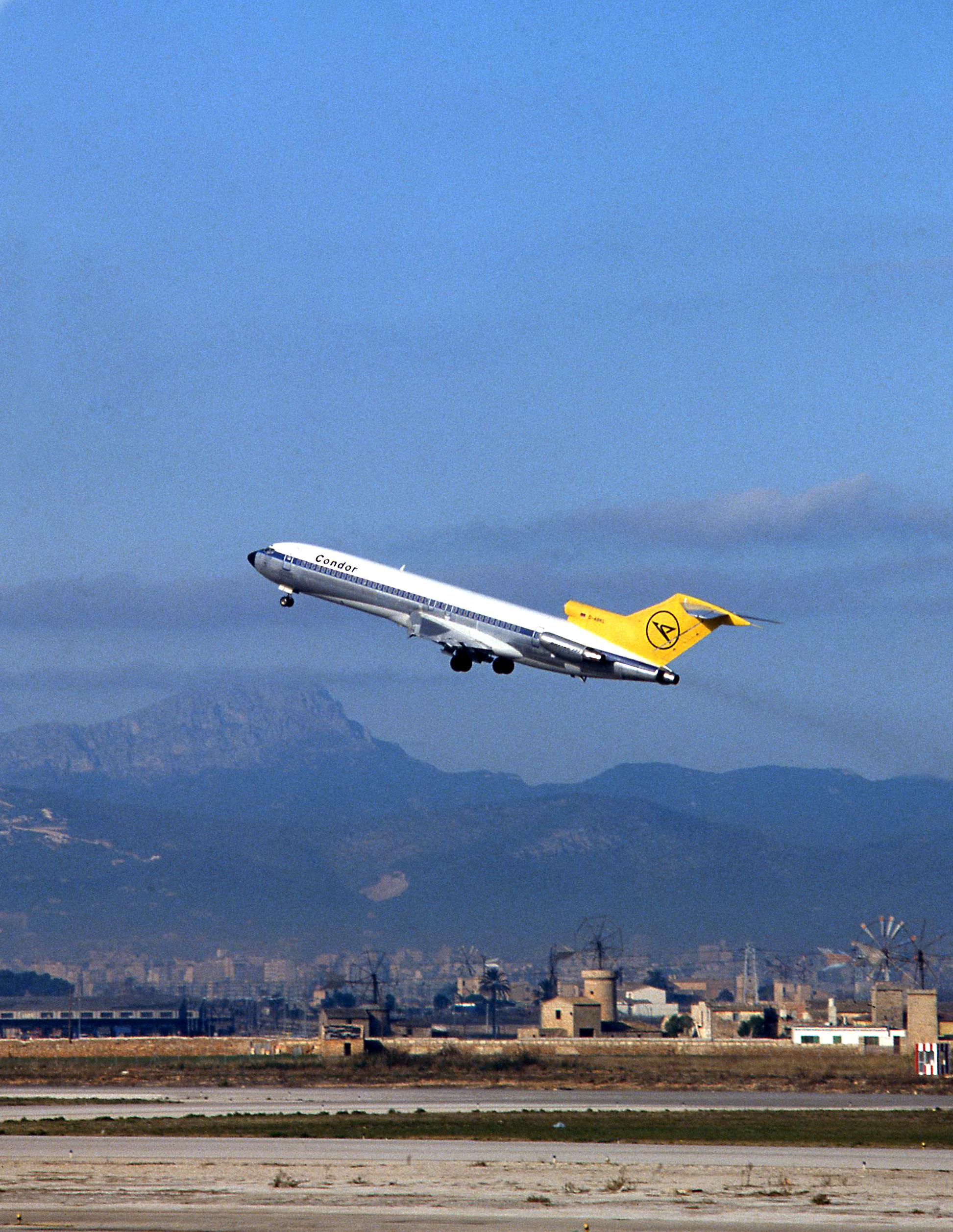
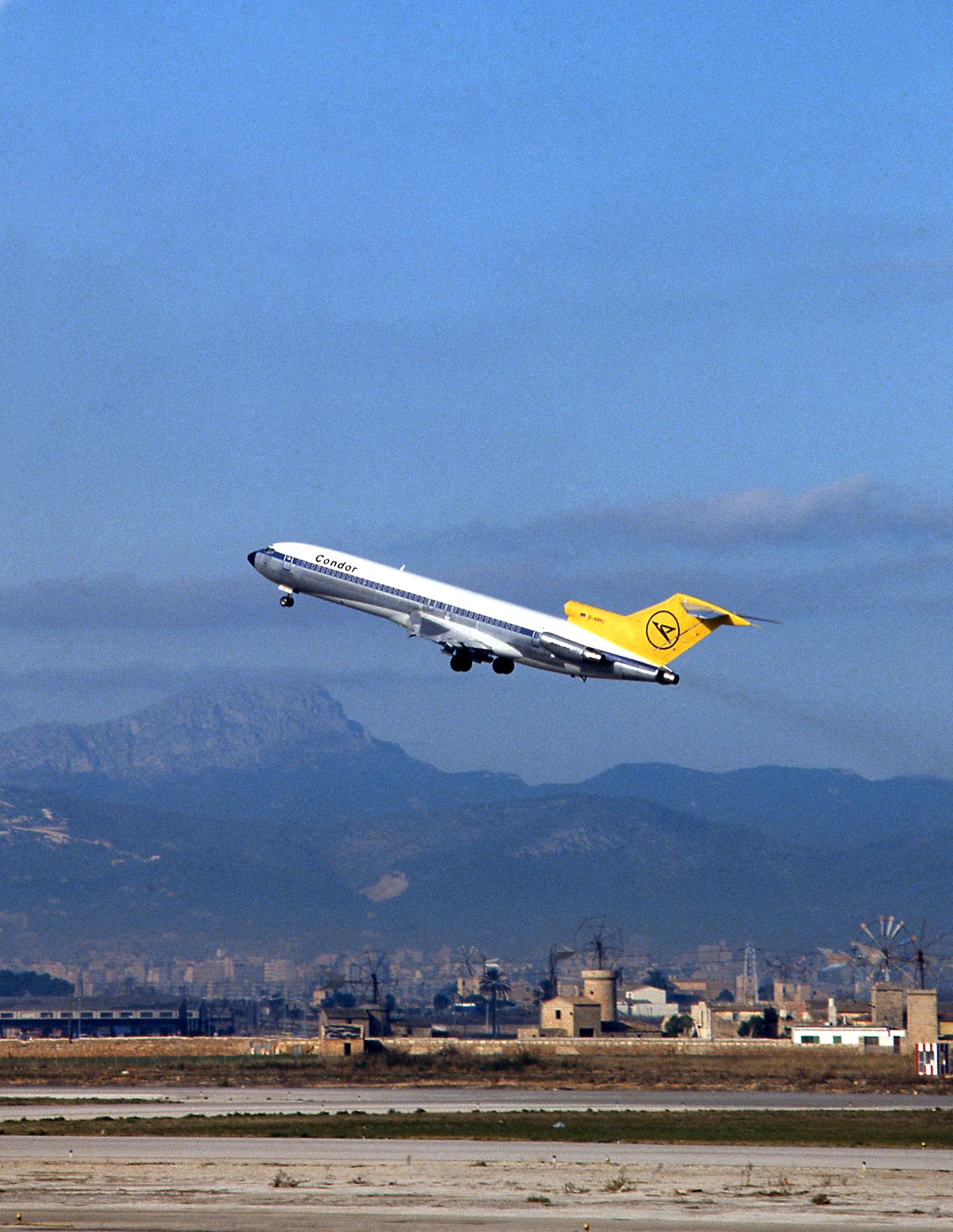
The Boeing 727 shaped Condor's European holiday air traffic in the 1970s. With its high capacity and range, it was ideal for popular holiday destinations around the Mediterranean and the Canary Islands.
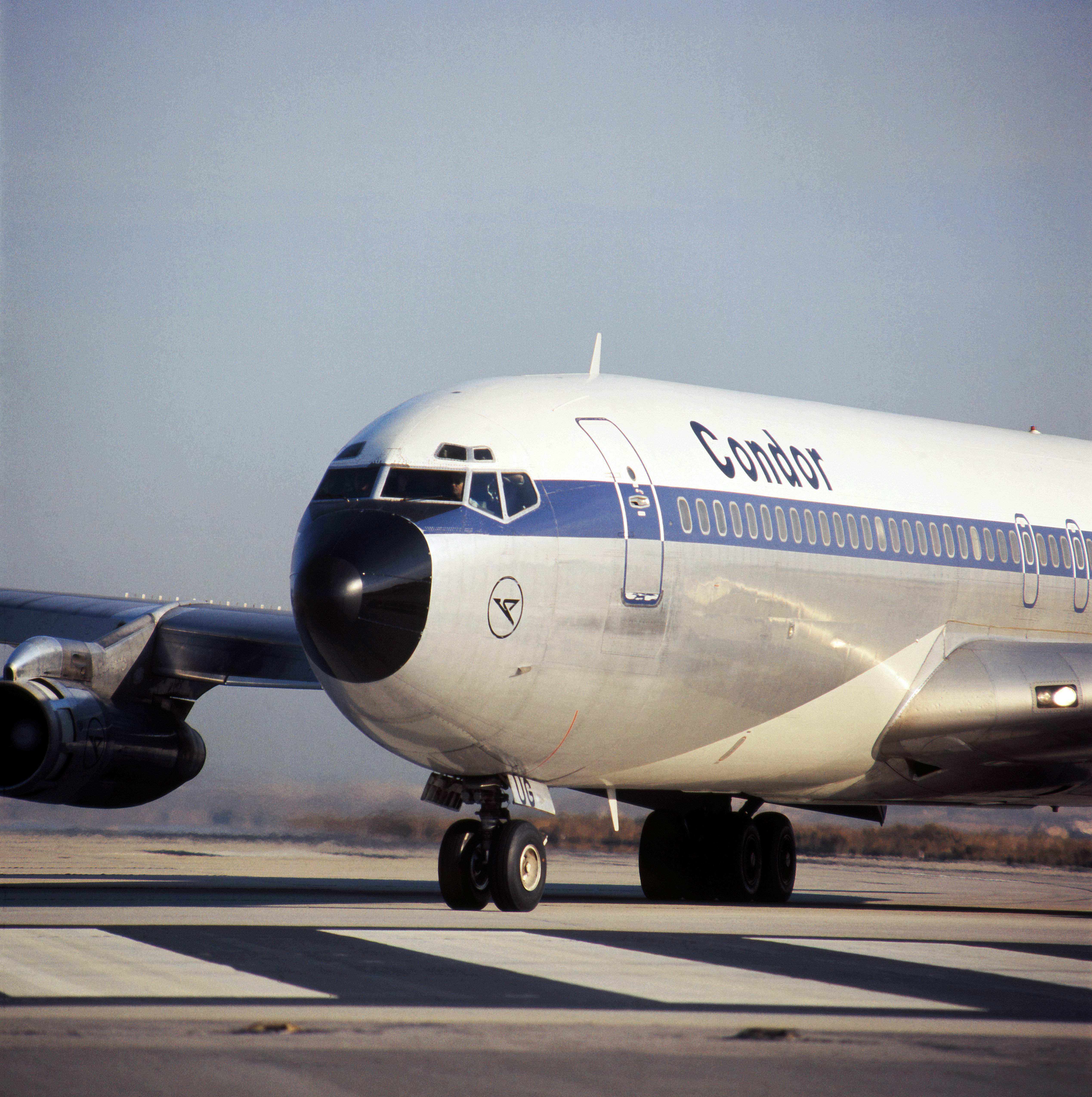
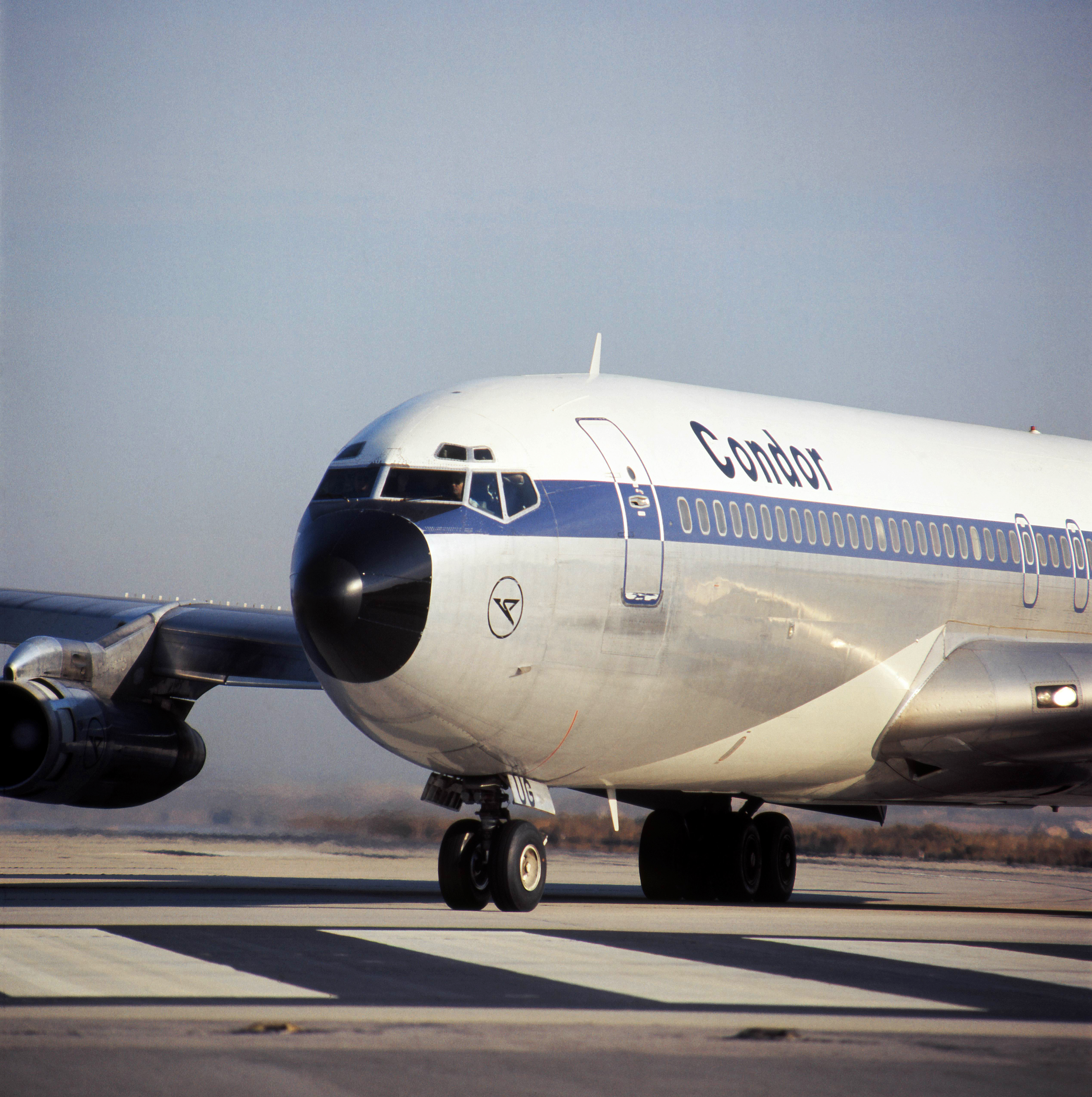
In 1967, Condor began initial experiments in long-haul transport. A Boeing 707, which was taken over by Lufthansa, served more distant destinations for the first time. These flights led to destinations including Africa, Asia and North America. This laid the foundation for Condor's later long-haul business.
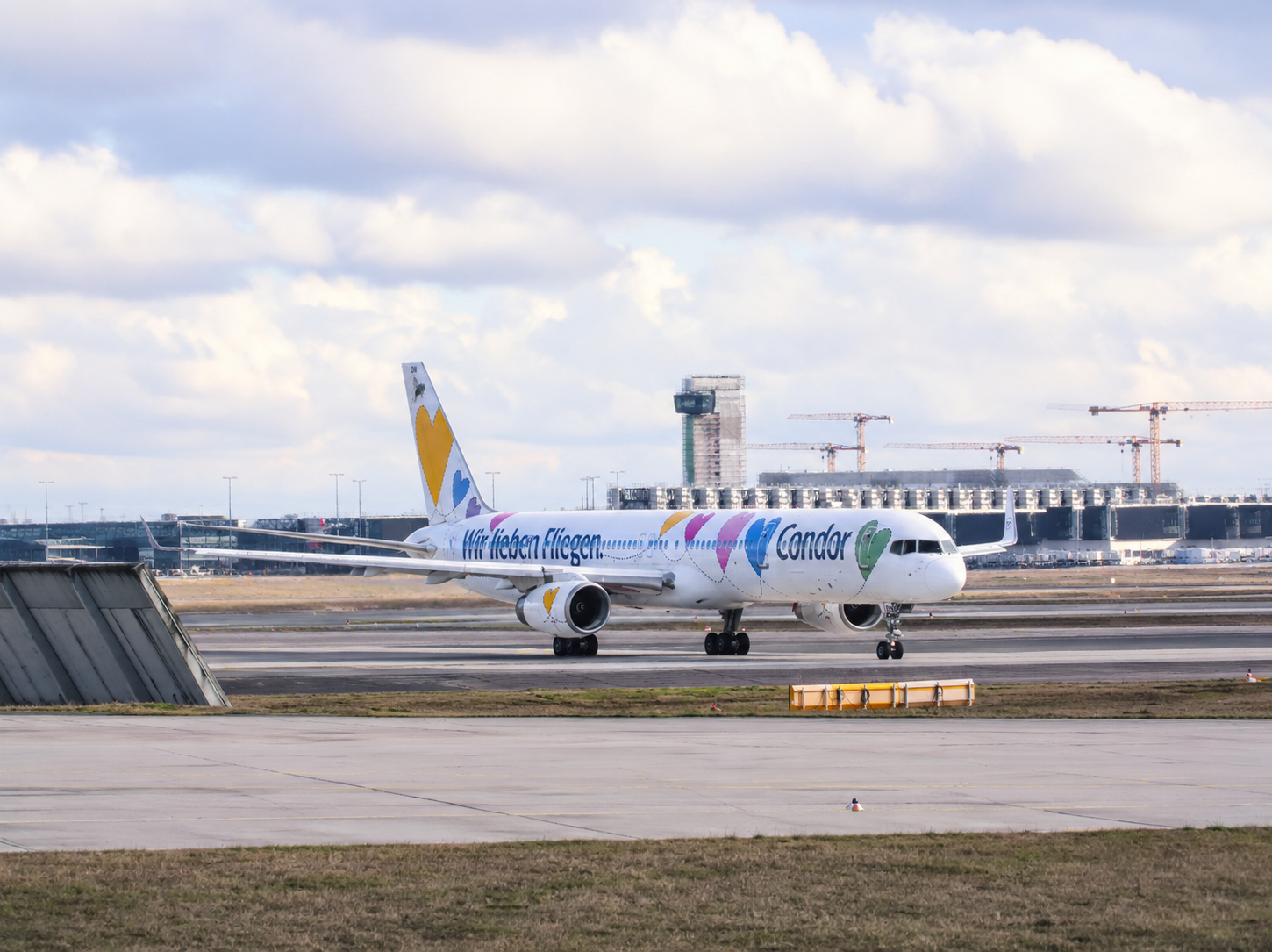
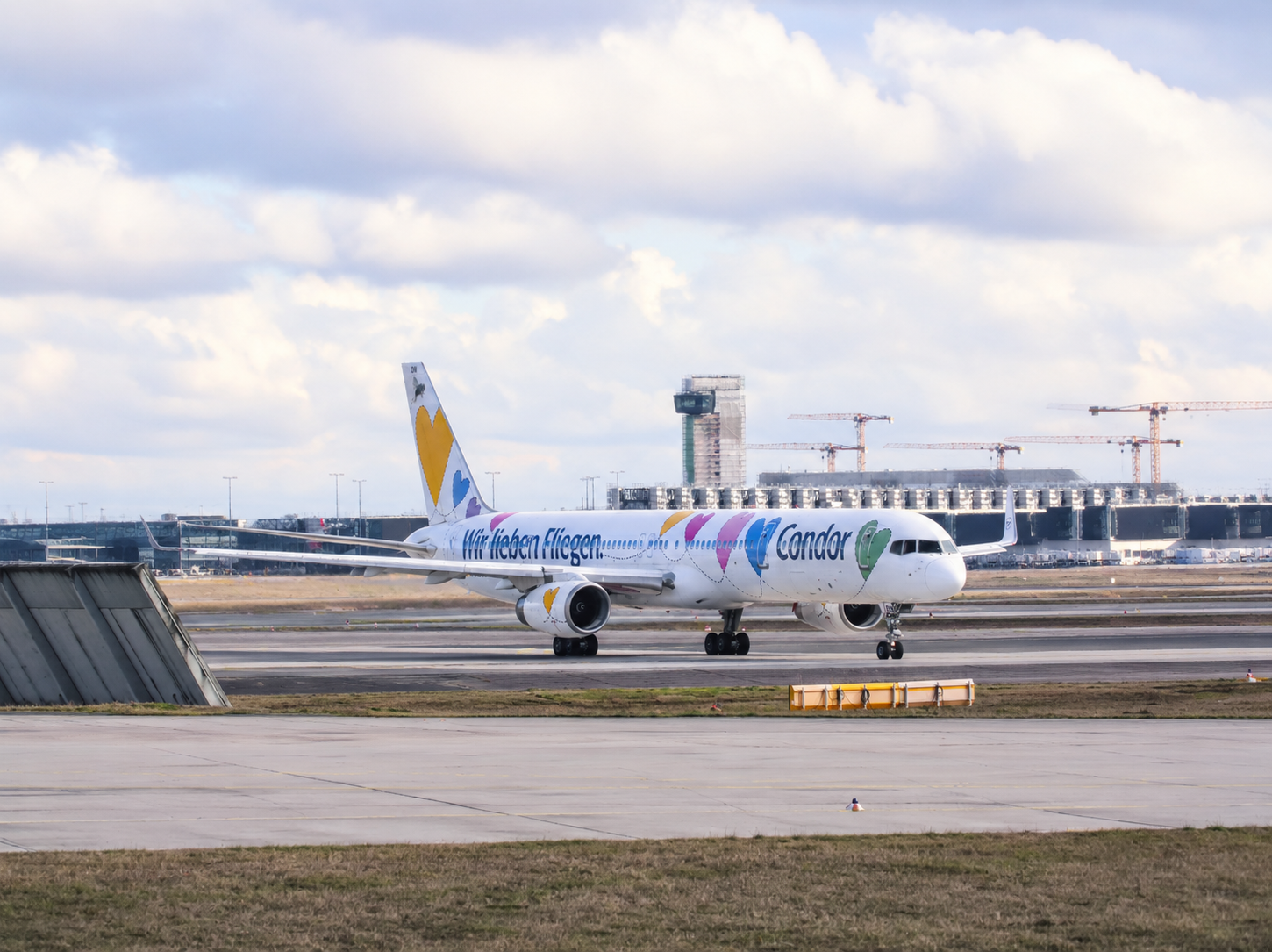
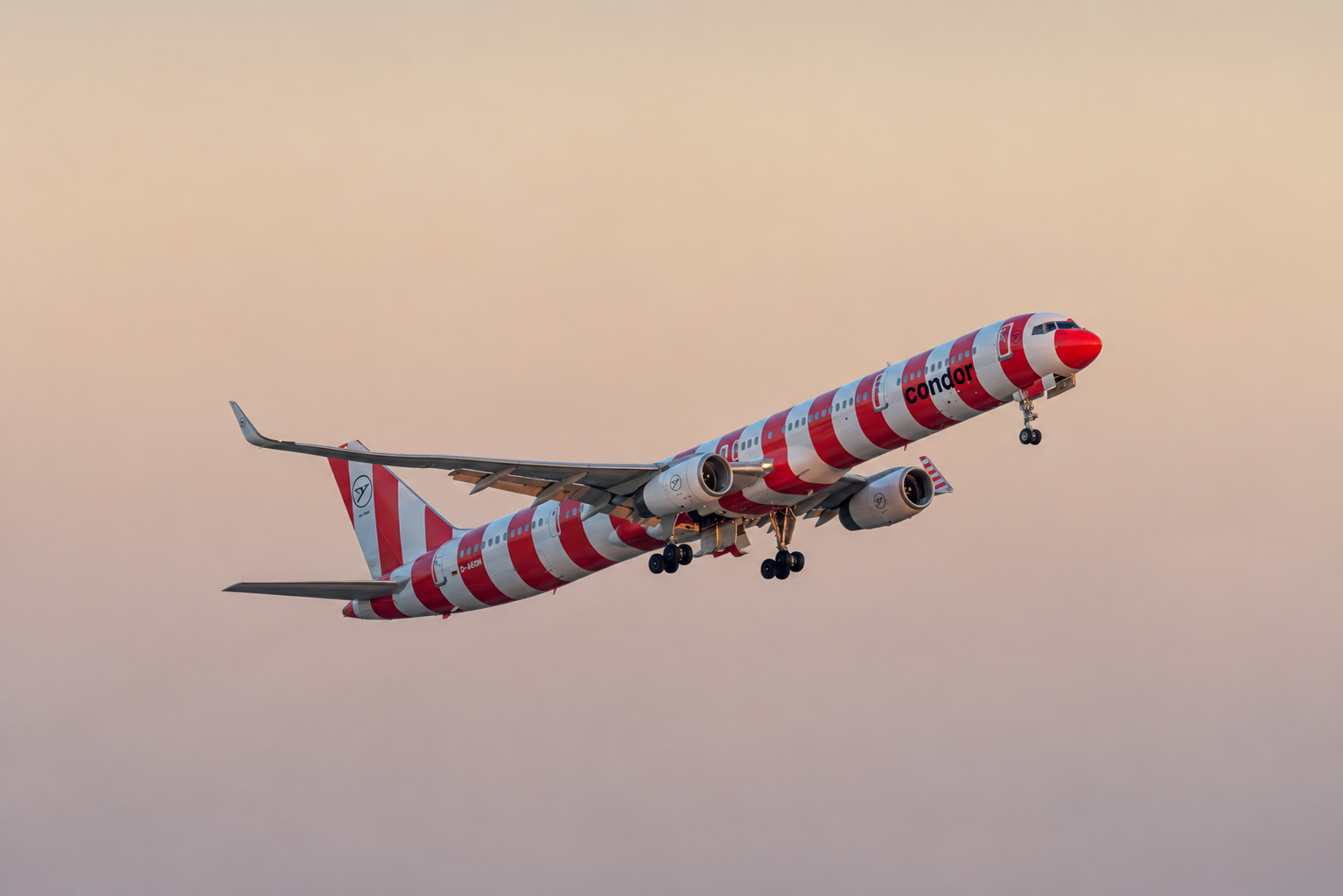
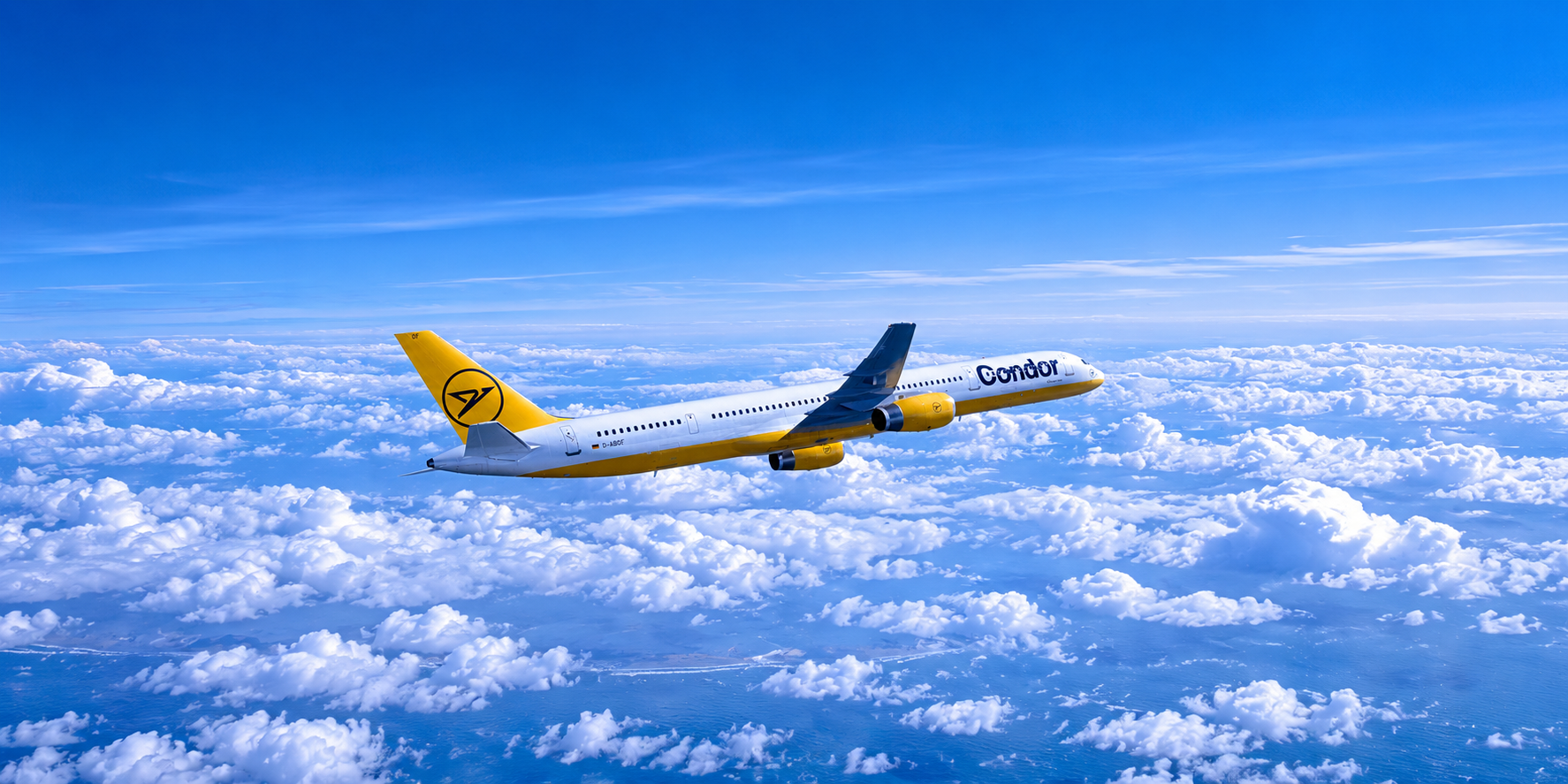
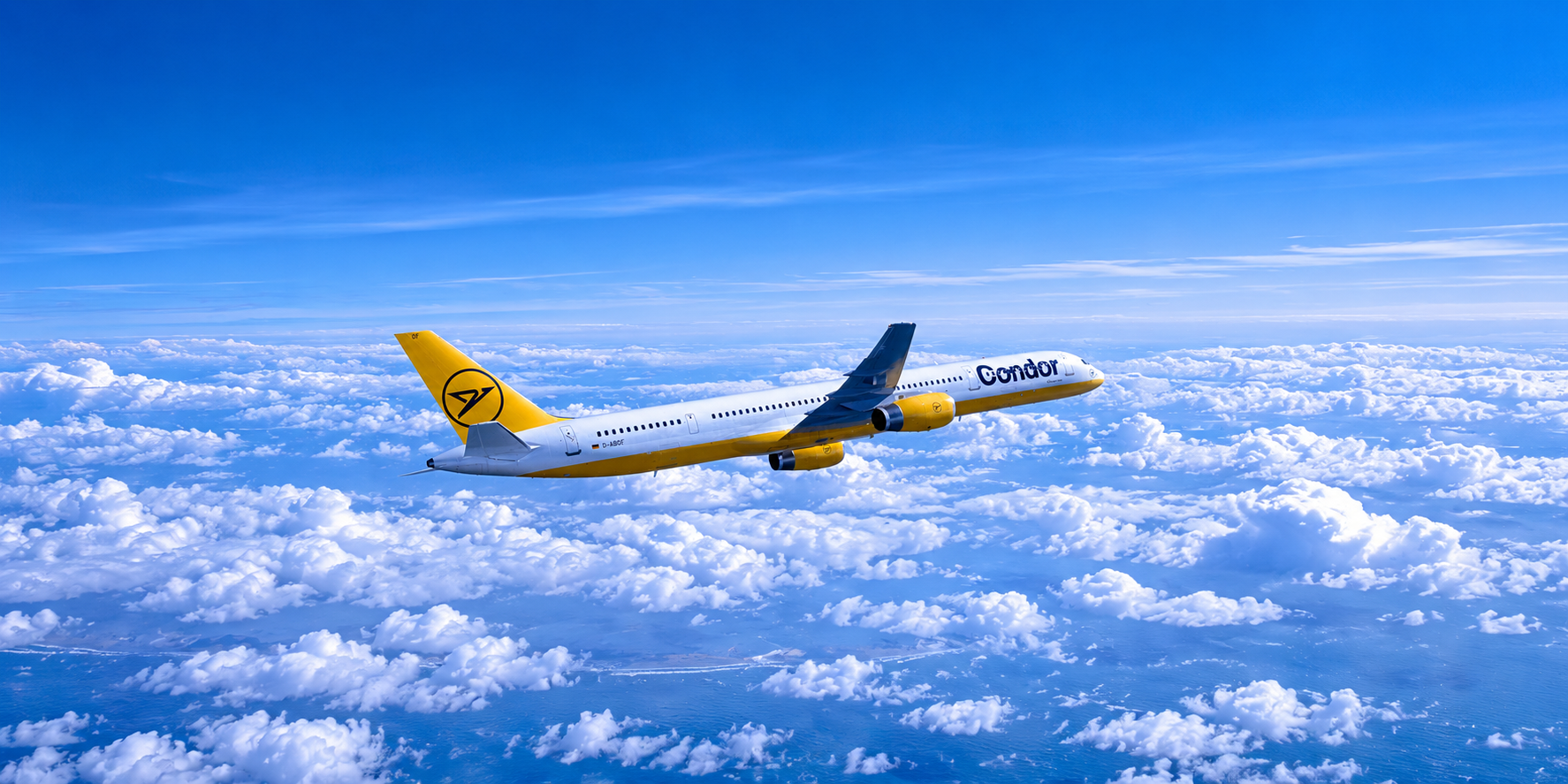
Condor was the first customer of the Boeing 757-300 – Boeing's longest single-aisle aircraft to date.
With a length of 54.4 metres, the Boeing 757-300 was about seven metres longer than the standard 757-200 version. Its exceptionally long and slim silhouette earned it the nickname “flying pencil” in the aviation world.
Only 55 units of this aircraft type were built worldwide. Thus, the Boeing 757-300 remains one of the rarest commercial aircraft in commercial use to this day.
Condor coined the legendary “flying pencil” like hardly any other airline: Around a quarter of all aircraft built worldwide flew at times in the Condor's colours. It is therefore hardly surprising that the departure of the last Boeing 757-300 was duly celebrated – with an emotional farewell flight from Frankfurt to Vienna and back.
The airline has a long tradition of dedicating aircraft to deserving Condorians. Even special liveries such as “Willi,” “Hans,” and “Achim” served as a tribute to influential figures and long-time employees in Condor’s history.
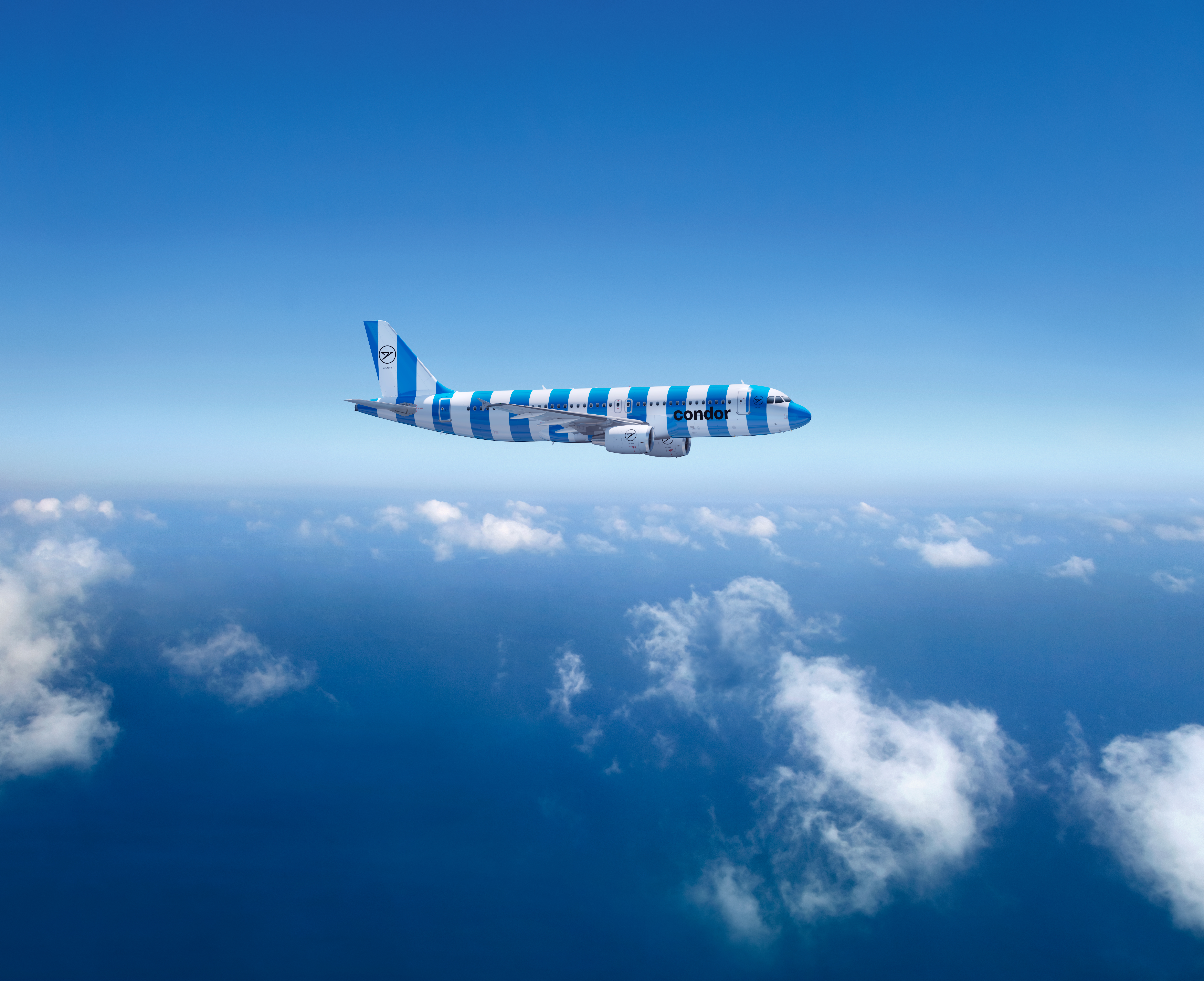
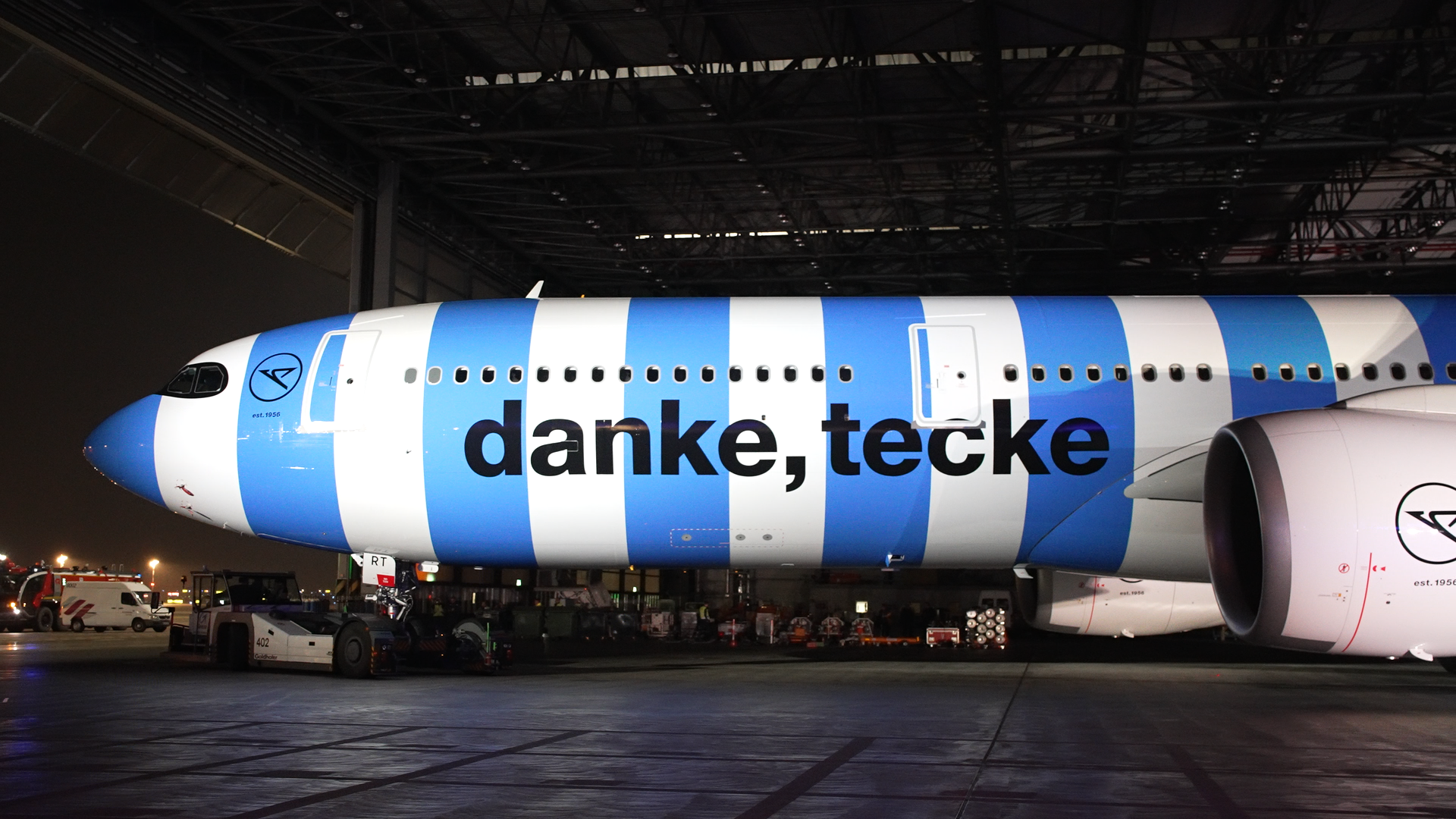
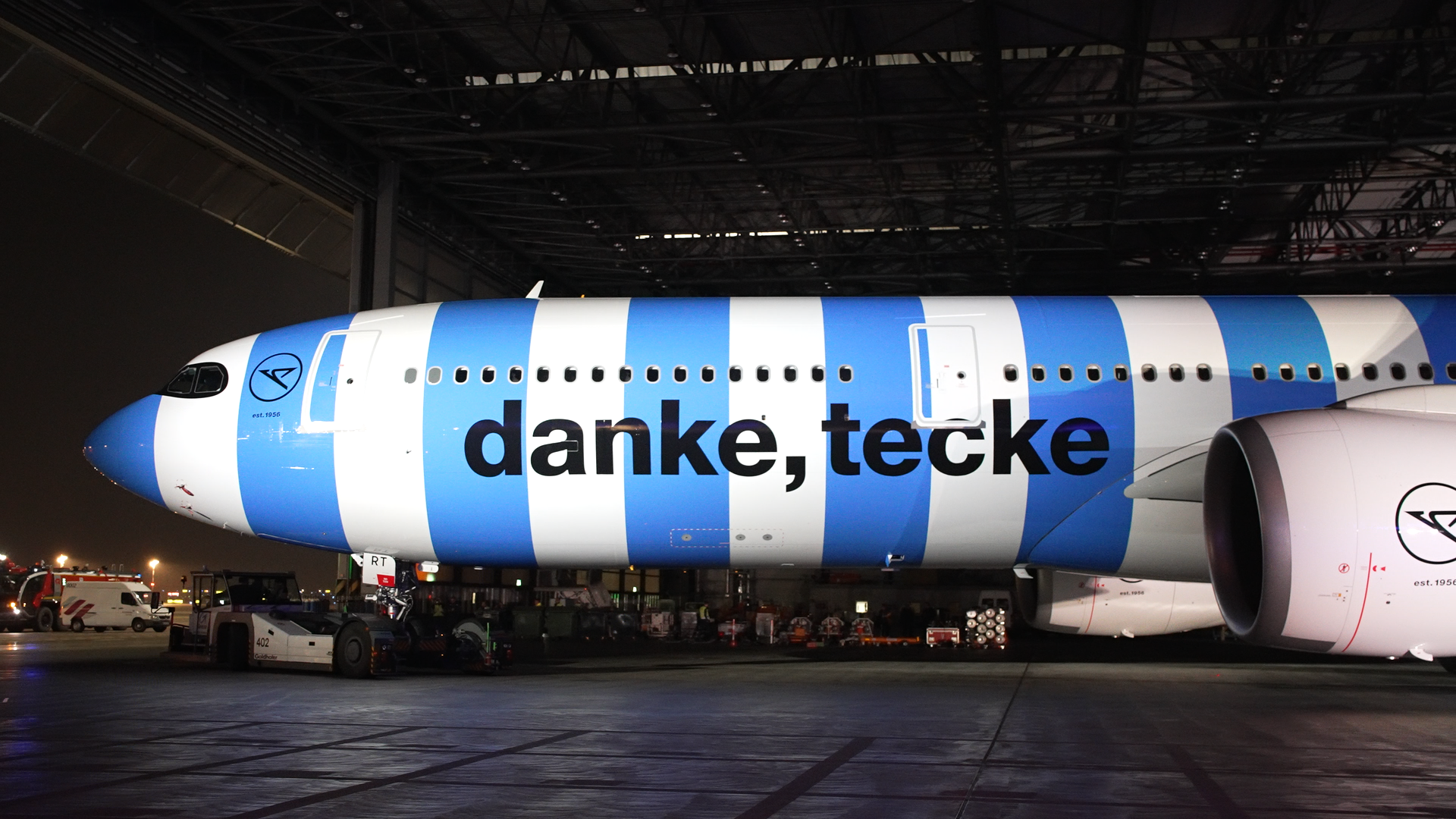
In 2024, Condor bid farewell to its long-time CEO and Chairman of the Executive Board, Ralf Teckentrup, as he retired, featuring special livery on a new Airbus A330-900. Under the slogan “Thank you, Tecke,” the blue-and-white-striped jet served as a very personal tribute to the man who shaped the airline for over two decades.
Ralf Teckentrup steered Condor through numerous challenges for nearly 20 years—and saved the vacation airline from closure on multiple occasions. For many employees, he thus became one of the most influential figures in the company's history.
This tribute is even reflected in the aircraft’s registration number: The plane flies around the world as “D-ANRT”—pronounced “Romeo Tango,” the initials of Ralf Teckentrup. At the same time, Condor remains true to its designation system:The “A” stands for aircraft weighing over 20 tons, while the “N” identifies the new Neo fleet.
A small message on a big airplane—and a special way to say thank you.
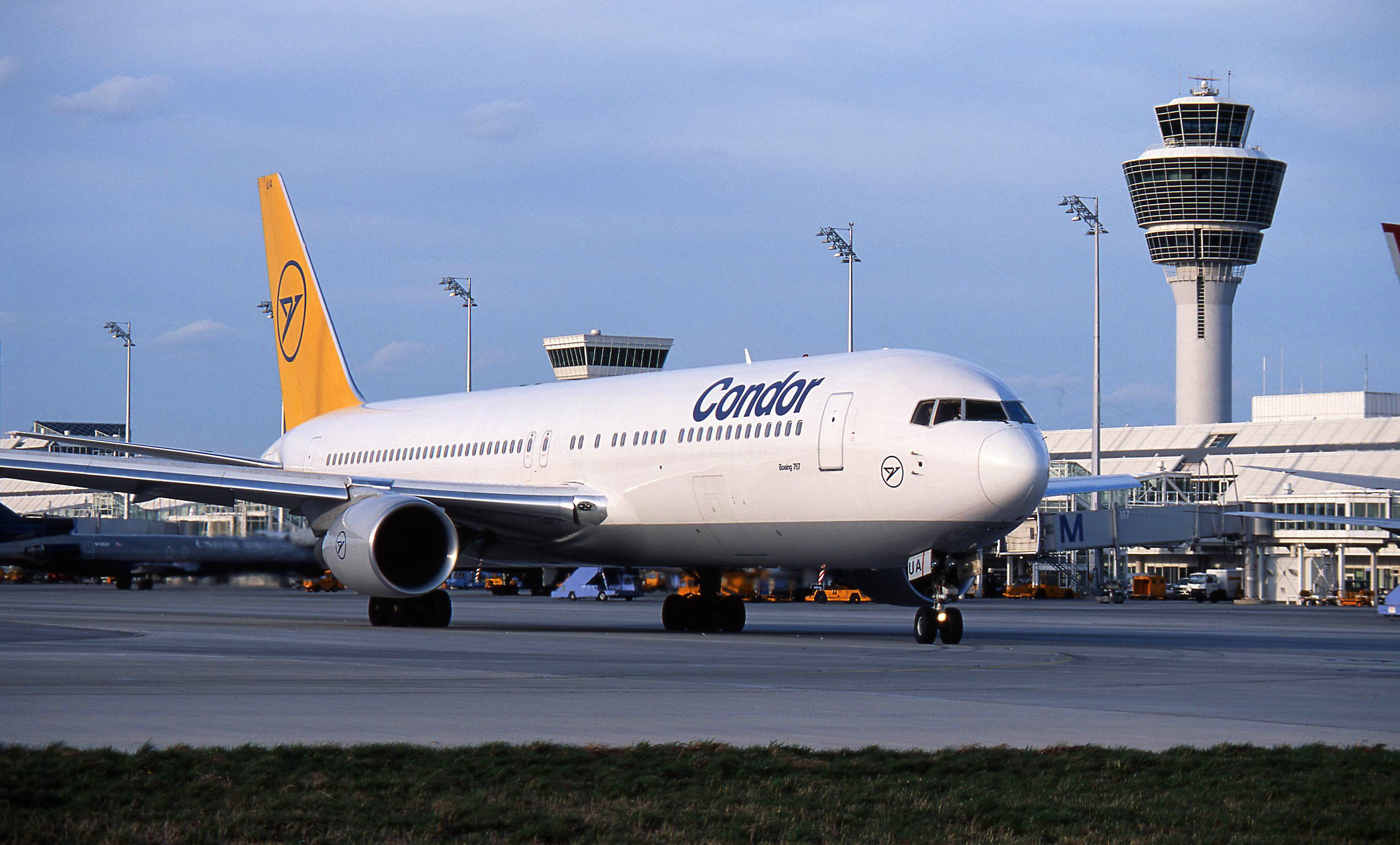
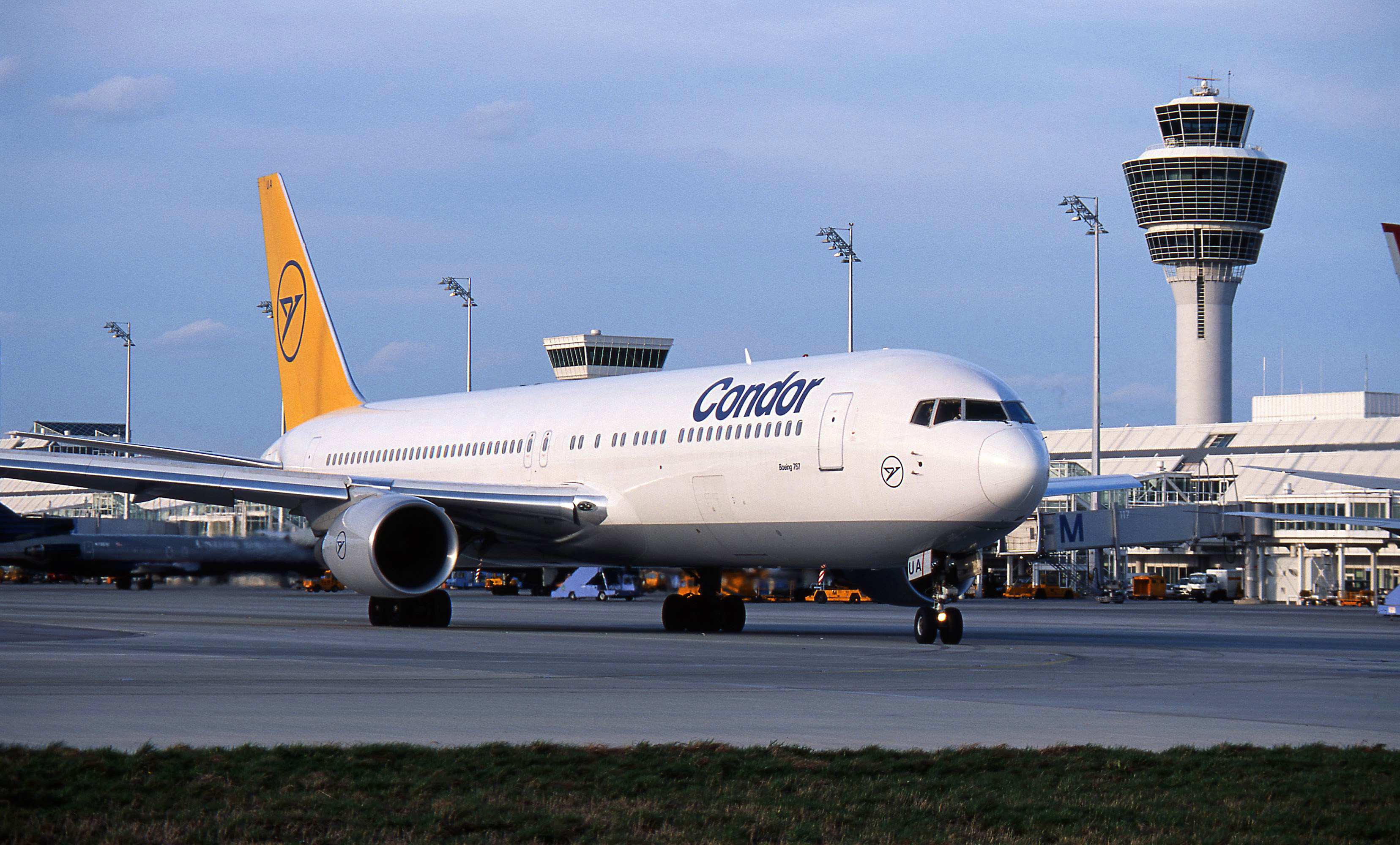
For over 30 years (1991-2024), the Boeing 767-300ER shaped the image of Condor's long-haul flights as a "holiday aircraft." The most recently retired D-ABUC even held the record at Boeing for flight hours of this type.
Millions of passengers travelled with it to destinations in the Caribbean, North America, Africa and Asia before it was gradually replaced by the Airbus A330neo.
In July 1991, Condor received its first three Boeing 767-300ERs. For the first time, the average fuel consumption fell below 4 litres. The livery changed over the years, so that during their time at Condor, the aircraft featured a total of 13 different liveries, including the special liveries "JA zu FRA" and "Janosch" as well as the retro livery "Achim".
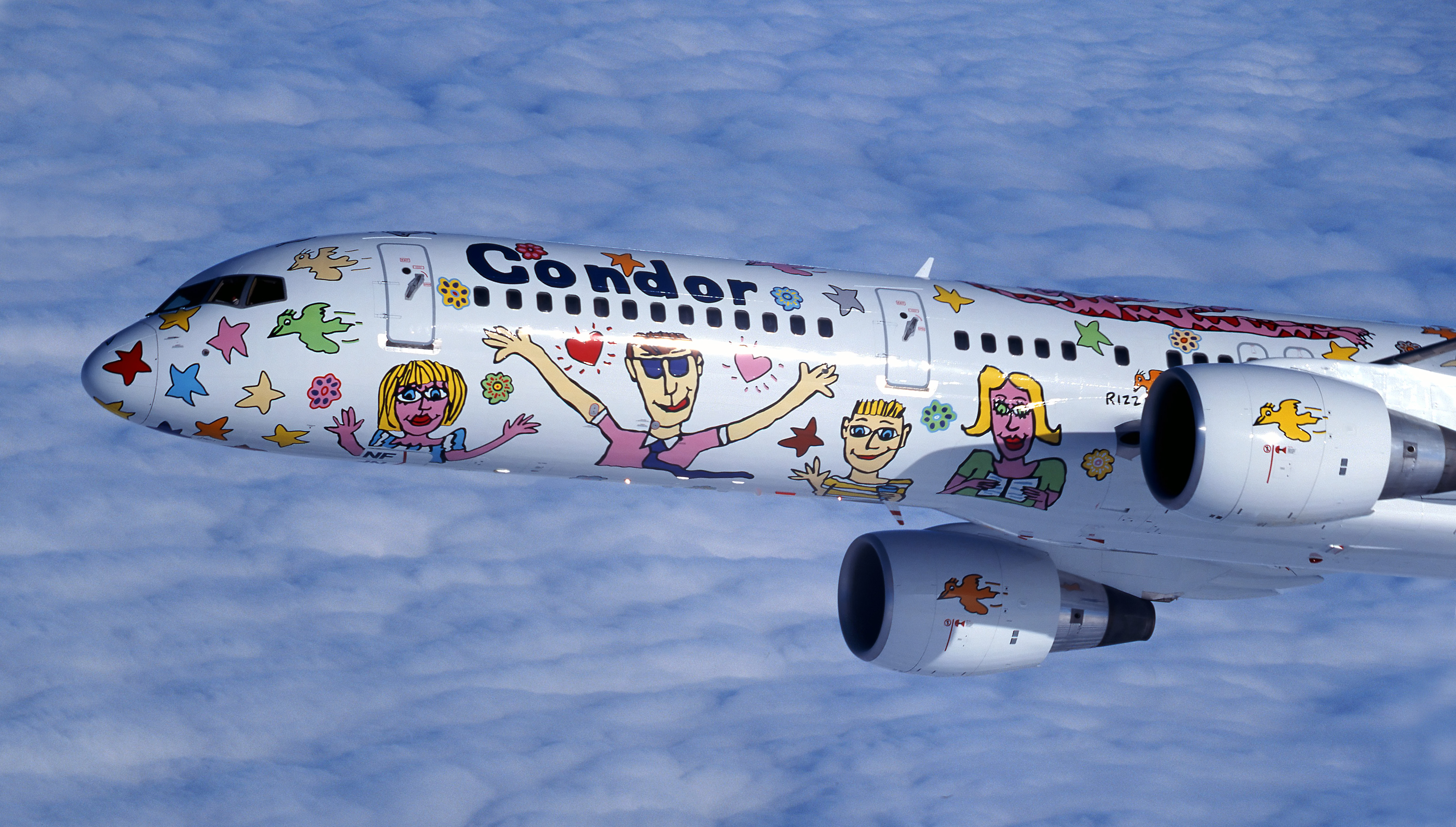
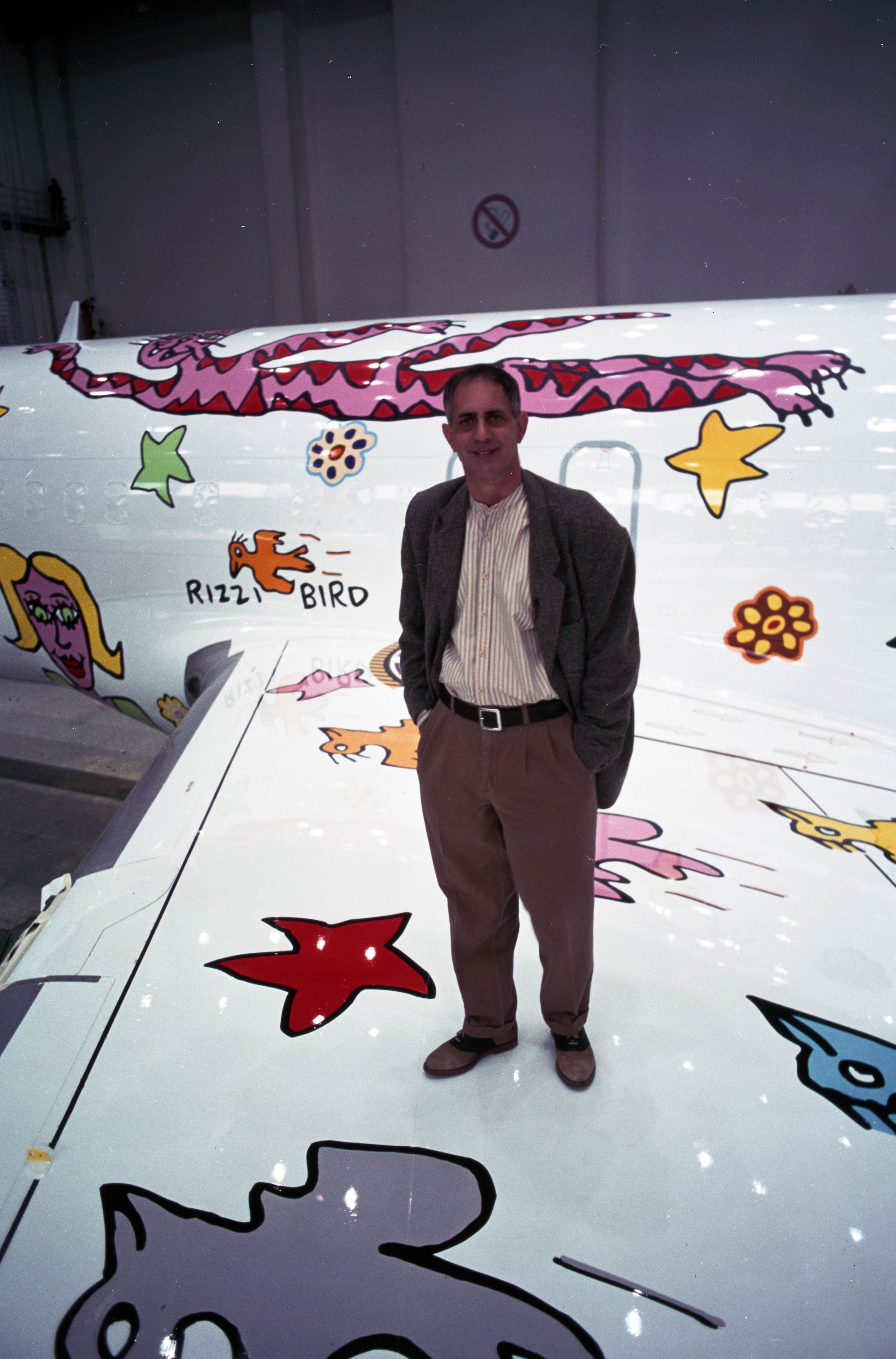
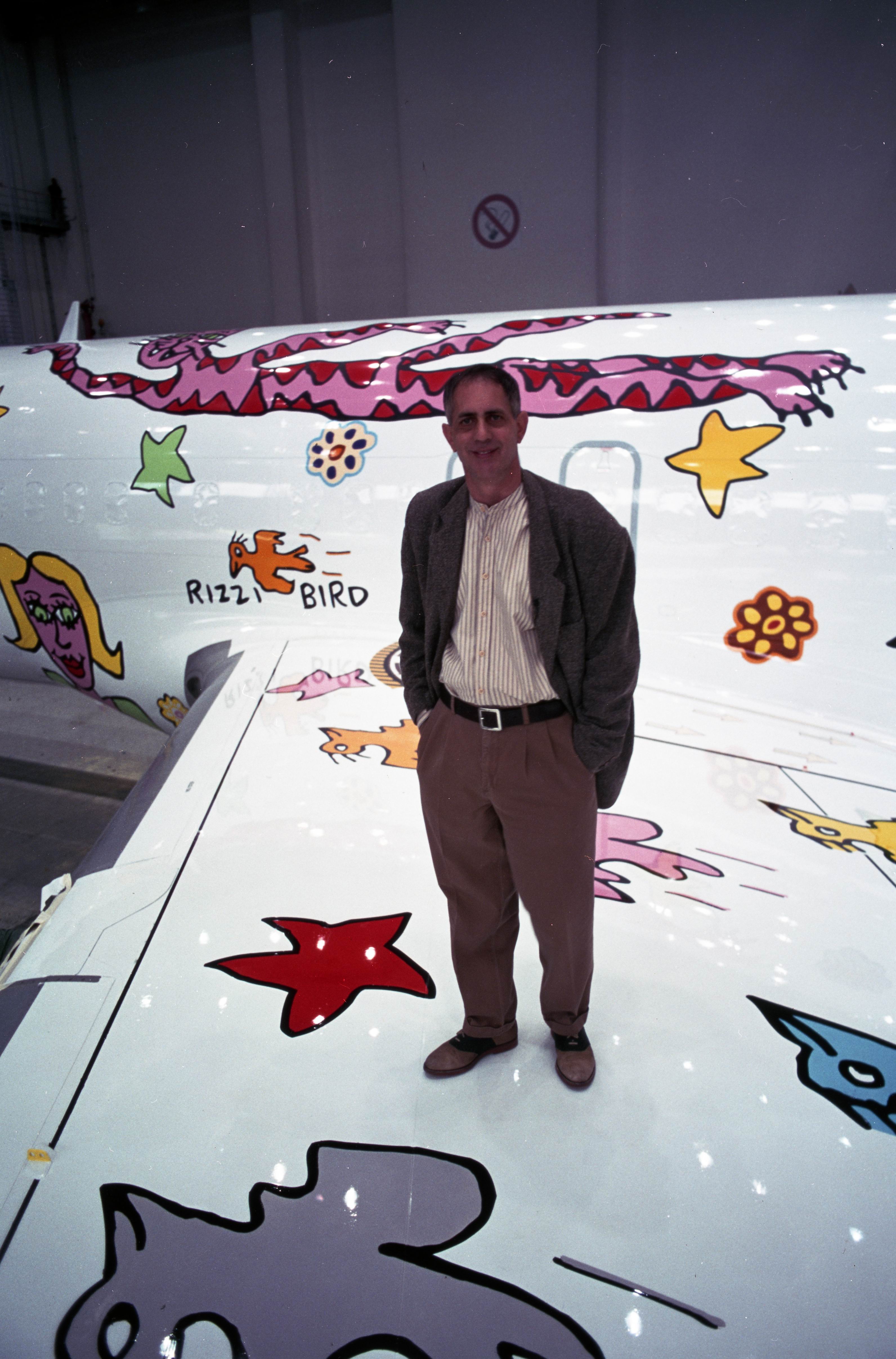
A special chapter in Condor's history began in 1996 to mark the airline's 40th anniversary: American pop art artist James Rizzi transformed a Boeing 757 into a colourful flying work of art.
With its unmistakable pop art style, the aircraft quickly became world-famous and was nicknamed "Rizzi-Bird". The unique special livery made the aircraft a symbol of joy of life, holidays and Condor's distinctive brand identity.
Today, eye-catching special liveries are naturally part of the brand image of many airlines. However, when the "Rizzi Bird" took off in the mid-1990s, Condor was far ahead of its time and was one of the first airlines in the world to consistently present an aircraft as an art and brand object.
“Im Herzen von Europa liegt mein Frankfurt am Main …” – the opening lines of the Eintracht fan anthem have been soaring through the skies of Europe since late 2025.
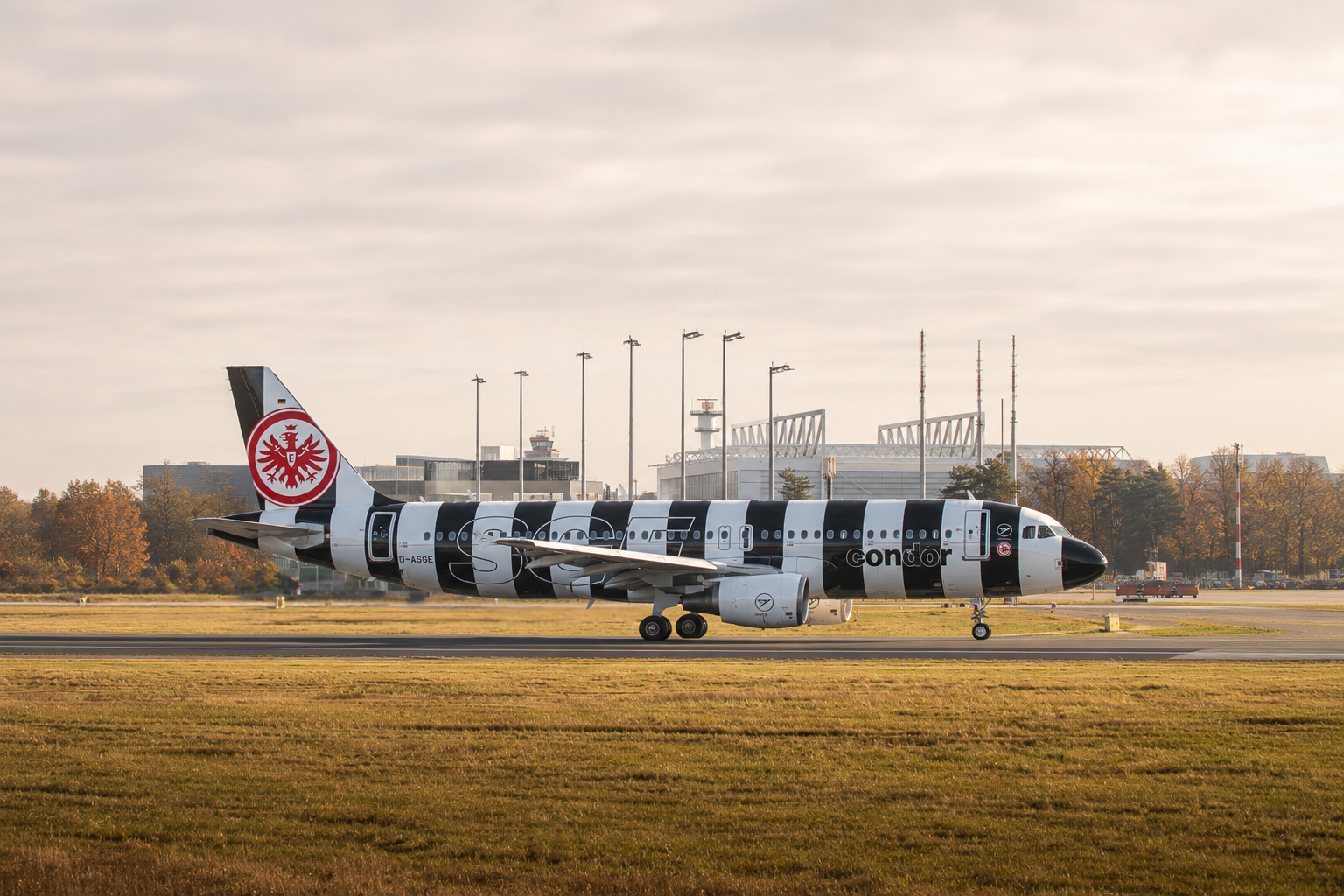
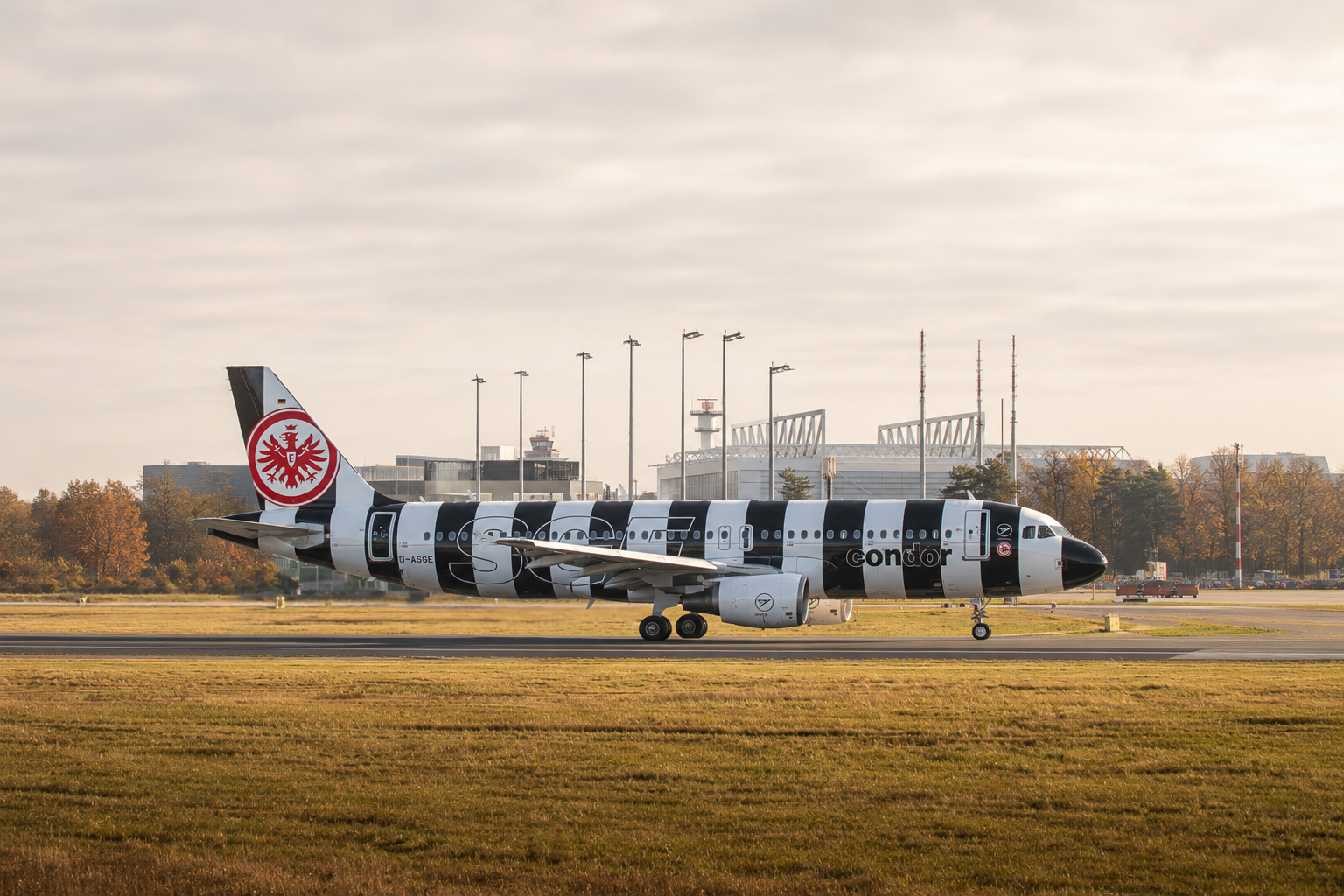
Condor and Eintracht Frankfurt showcased their strategic partnership with an Airbus A320 featuring a special livery. The aircraft with the registration D-ASGE connects two traditional Frankfurt brands that are regionally rooted and internationally known.
In addition to the characteristic Condor stripes – this time in black – the aircraft prominently bears the Eintracht logo on its tail, bringing the club’s colours of red, black and white to the skies.
But it’s not just the outside that’s all about Eintracht: the interior has also been specially designed. Black carpets featuring Eintracht branding, red seat belts and striped headrests with the club logo have turned the Airbus into a real fan’s aircraft.
The aircraft not only accompanies the crew on their travels, but is also regularly in service for Condor passengers on European routes—and carries Frankfurt’s colors far beyond the city limits.